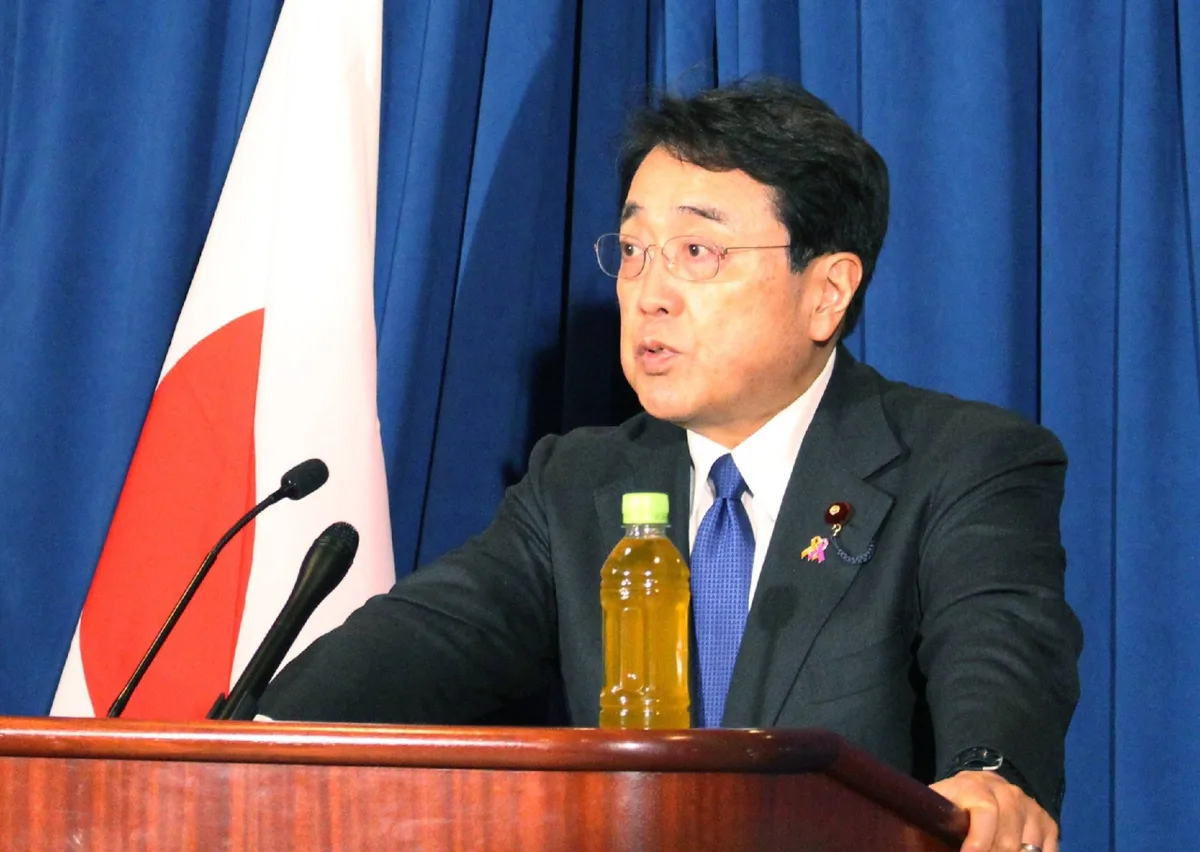
Japan and the United States are advancing a US$550 billion investment pact established under a trade deal reached in July 2025, Japanese Trade Minister Ryosei Akazawa said Friday during meetings in Washington with US Commerce Secretary Howard Lutnick and Trade Representative Jamieson Greer [1, 2, 3].
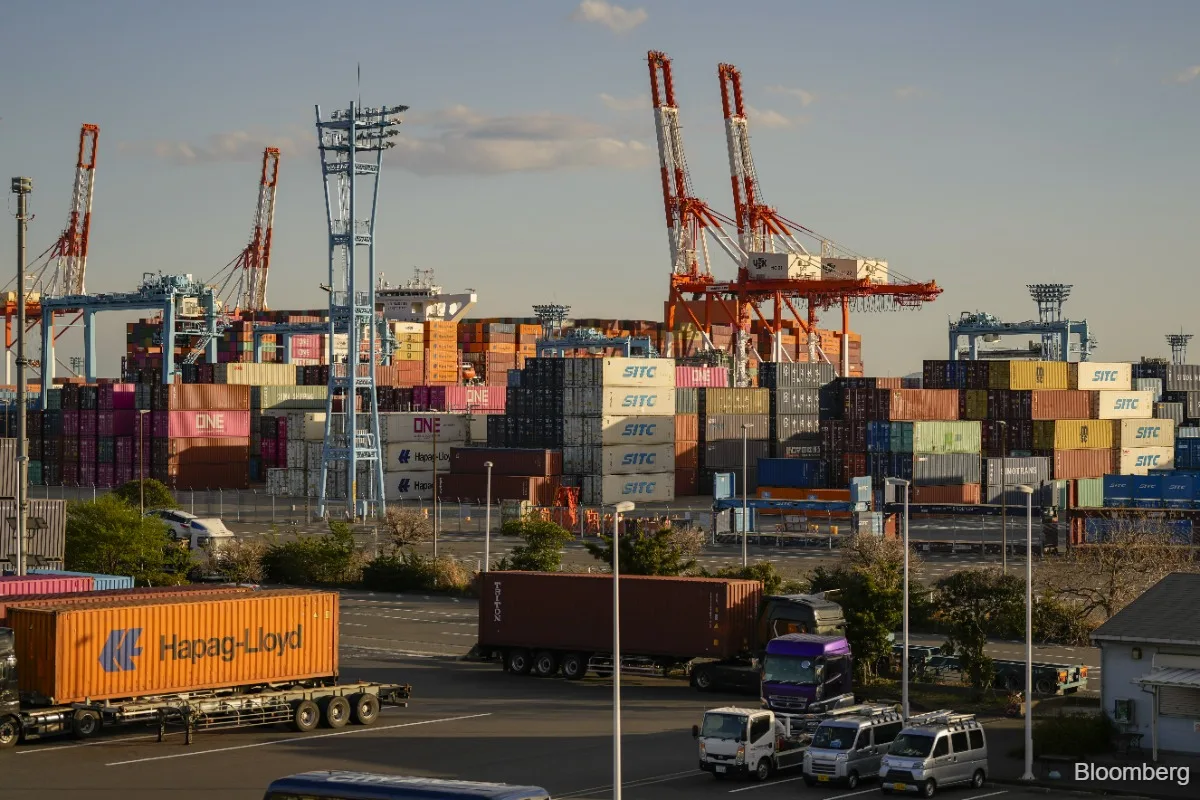
The pact was part of last year's agreement setting US tariffs on Japanese goods at 15% and lowering automobile duties [1, 2, 3]. Akazawa confirmed that no additional tariffs beyond those agreed last year will be imposed on Japanese products [1, 2, 3]. He added, "We reaffirmed that last year’s agreement remains unchanged" [3].
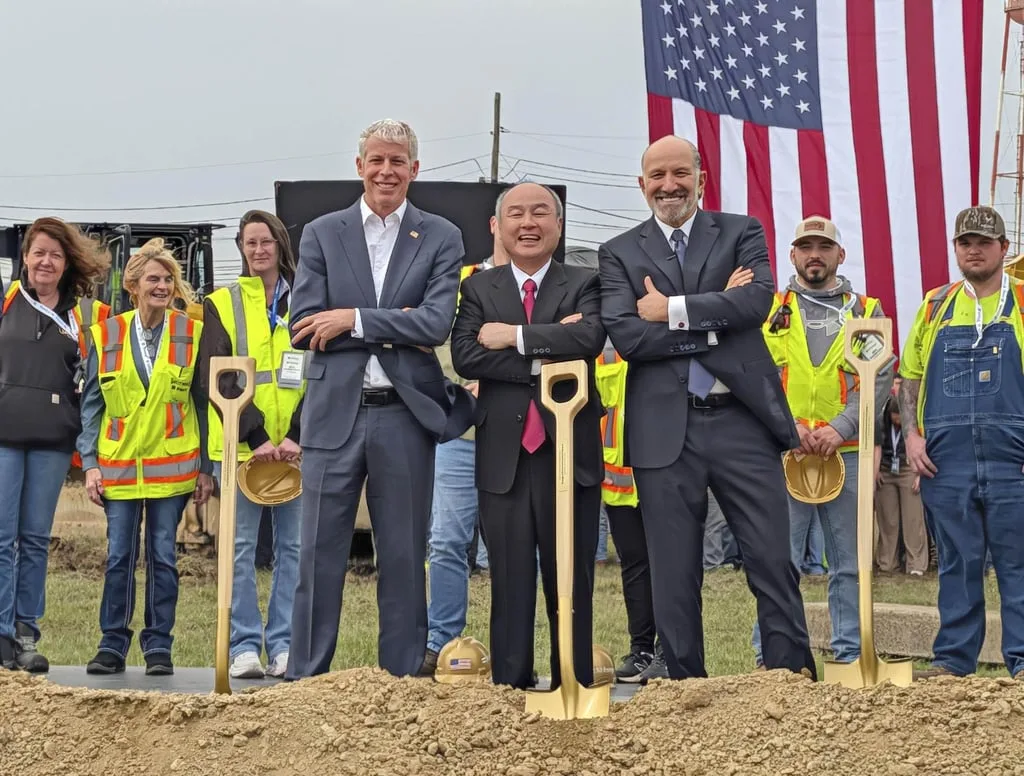
Two major investment tranches under the pact have been announced. The first tranche commits US$36 billion to US oil, gas, and mineral projects, including a natural gas facility in Ohio [1, 2]. The second tranche targets US$73 billion for nuclear and natural gas power plants across multiple US states [1, 2].
An important focus of further cooperation will be on the growing sectors of artificial intelligence and semiconductor industries. Akazawa said, "As the presence of AI and semiconductor industries grows, we’re continuing to develop and implement projects that contribute to mutual benefits" [1, 2].
Japan and the US have also agreed to reinforce supply chains for critical minerals, responding to export controls imposed by China that pose risks to these essential resources [3]. Despite changes in US tariff policies, including the US Supreme Court's February 2026 invalidation of Trump-era country-specific tariffs, Japan has maintained adherence to the trade deal terms [3].
Akazawa emphasized ongoing collaboration, stating, "We’ll continue working closely with the US" [1].
The meetings on September 4 mark a concrete step toward advancing the ambitious pact, with discussions expected to continue as the partners seek to implement the remaining phases of the investment commitments [1, 2, 3].