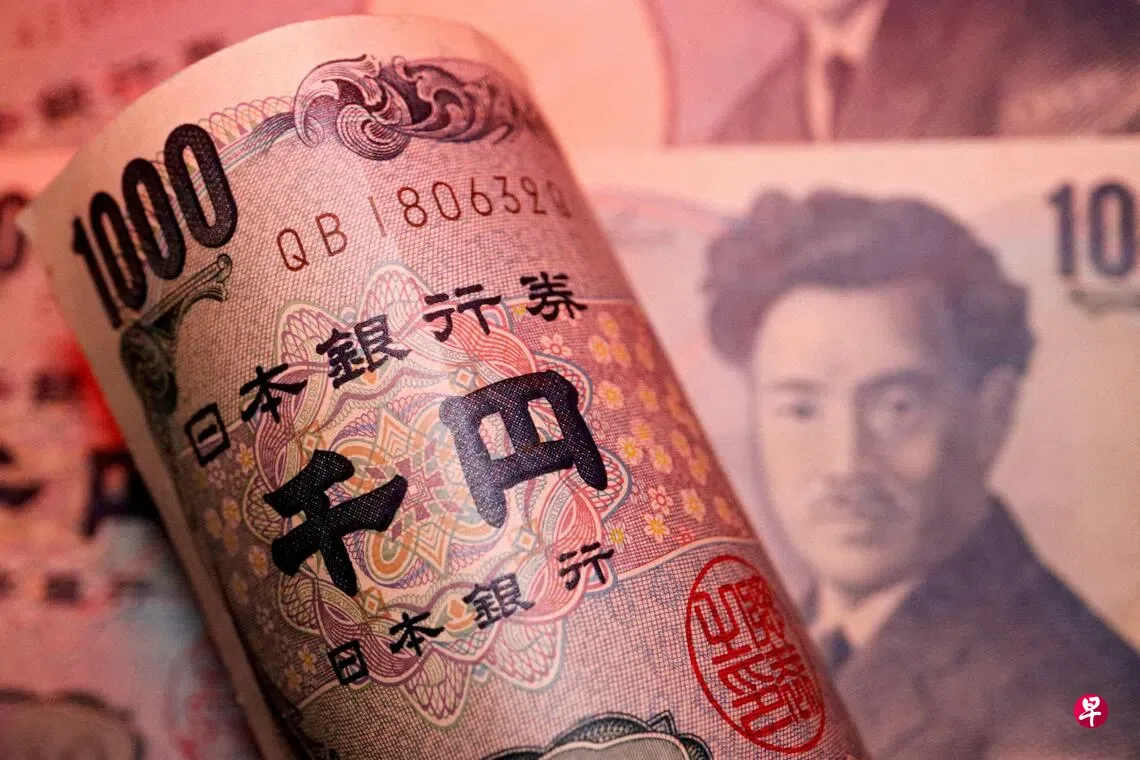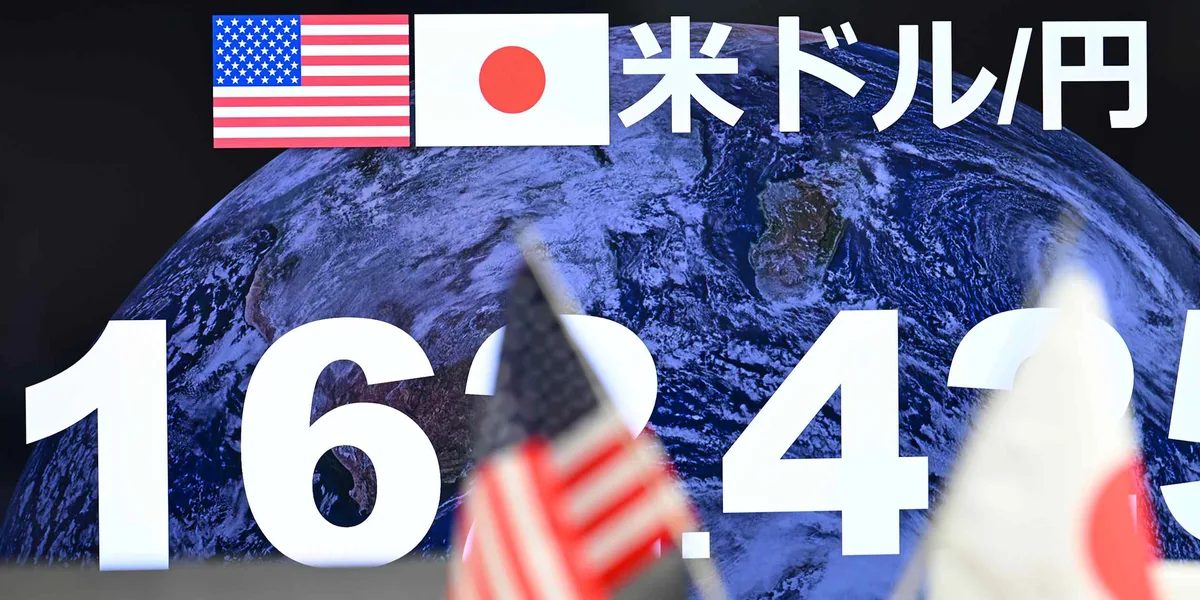
Japan's currency authority intervened in foreign exchange markets with a record 15.39-15.4 trillion yen ($96-96.5 billion) between July 30 and August 26, 2026, marking the largest single-month currency intervention ever recorded [1, 2, 3, 4, 5, 6, 7, 8, 9, 10]. This was part of two rounds of interventions this year that together total about 27 trillion yen ($170 billion), surpassing previous annual peaks [1, 2, 3, 5, 6]. The interventions sought to halt the yen's historic slide to about 164 yen per dollar in late July, a 40-year low [1, 3, 4, 6, 7, 8, 9, 10].
On July 31, Japan and the United States carried out a rare coordinated intervention, the first joint currency action in more than 20 years, aimed at strengthening the yen [3, 4, 5, 6, 7, 8, 9]. The yen briefly rebounded from around 163-164 to as strong as 155.23 per dollar by August 3 before fading and stabilizing near 159-160 by late August [3, 4, 5, 6, 7, 8, 9, 10]. Despite the record interventions, the yen weakened again below 160 yen per dollar by late August due to factors including a widening interest rate gap with the U.S., higher energy prices from the Middle East conflict, and Japan's expansionary fiscal policies [3, 4, 5, 11, 8, 9, 10].
SMBC senior strategist Maruyama Norihito said, "This is a huge amount. They have spent 27 trillion yen this year intervening, yet the dollar-yen rate still hovers just below 160, indicating the fundamental pressure on the yen remains very strong" [5]. Import dependence on energy from the Middle East stands at 95%, with rising fuel costs from the Iran war pushing inflation and import expenses higher [3, 12, 7, 8, 9, 10]. Japan’s cabinet approved 616 billion yen in emergency funds on September 1 to continue fuel subsidies amid high global prices [12].
Prime Minister Sanae Takaichi's government pursues large-scale fiscal spending, which markets see as a drag on the yen and Japan's fiscal outlook [7, 8, 9, 10]. U.S. Treasury Secretary Scott Bessent praised Japan's actions, stating, "We strongly support Japan's decisive action to correct the significantly undervalued yen. We will not hesitate to coordinate further interventions if necessary" [6]. Bessent also noted the yen trends "are under control and not disorderly," expressing confidence in Bank of Japan Governor Ueda and PM Takaichi to make sound monetary decisions [11]. U.S. President Donald Trump called the coordinated intervention "a sign of friendship and beneficial to the global economy" [8].
The Bank of Japan held rates steady in July but faces growing market speculation of a September rate hike, viewed as critical to sustaining yen support beyond forex interventions [3, 5, 6, 11]. Resona Bank strategist Iguchi Keiichi commented, "If the market eventually reacts to a hawkish stance by the Bank of Japan, the trend of a strong dollar and weak yen could reverse" [5].
On July 23, the dollar hit a near 40-year high of 163.99 yen. Large-scale intervention began July 30 with estimated buying of 8.45 trillion yen. July 31 saw the Japan-US coordinated intervention. By August 3, the yen had strengthened to 155.23 yen per dollar. The intervention period ended August 26 with total spending of 15.39 trillion yen. The yen weakened again below 160 on August 29 despite the record intervention. On September 1, the cabinet approved emergency funds to support fuel subsidies amid rising prices [3, 4, 12, 5, 6, 7, 8, 9, 10].