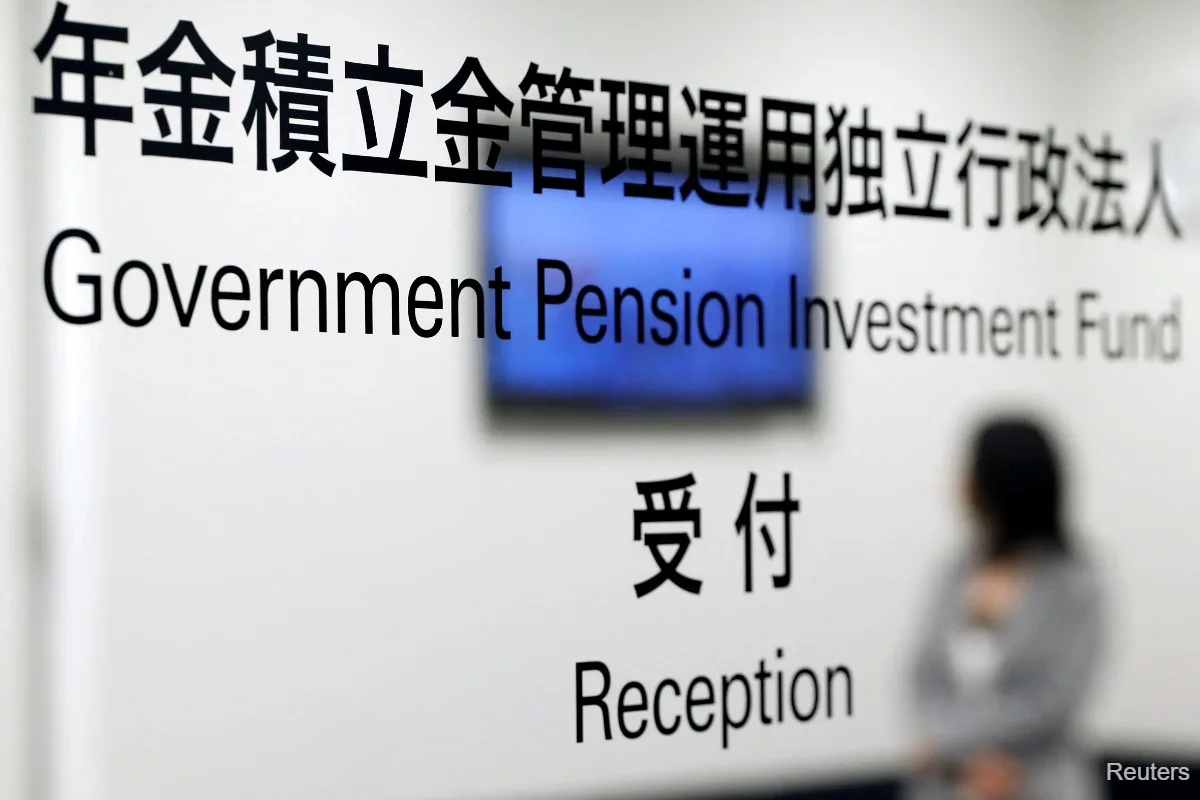
Japan's Government Pension Investment Fund (GPIF), the world’s largest public pension fund with about US$1.8 trillion in assets, currently holds 1.7% of its portfolio in alternative investments, well below its 5% ceiling as of March 2026 [1, 2].
Finance Minister Satsuki Katayama announced the government’s intention on July 10 to encourage GPIF and other state pension funds to substantially increase investments in domestic assets, including unlisted shares, real estate, and other alternative investments [1, 2]. Katayama said the government aims to steer the $1.8 trillion fund to "substantially" boost these allocations, which supported a rise in the yen and government bond prices [1].
A government panel will soon produce a report to formalize raising the alternative investment ratio closer to the 5% cap, aiming to broaden pension asset management and reduce investment risks [1, 2]. Currently, alternative assets make up a small fraction of GPIF’s holdings compared to the allowed maximum.
The planned increase reflects a push to diversify pension assets beyond traditional public stocks and bonds by tapping into less correlated, alternative sources. Finance Minister Katayama emphasized the government’s focus on expanding domestic asset investments by state funds.
GPIF’s move to higher alternative allocations could mark a shift in Japan’s public pension investment strategy, targeting improved returns and risk profiles amid evolving financial markets. The government panel’s upcoming report will set a concrete policy path for this shift.
The next key step is the government panel’s report expected soon, which will establish guidelines for raising GPIF’s alternative investment ratio toward the 5% ceiling.