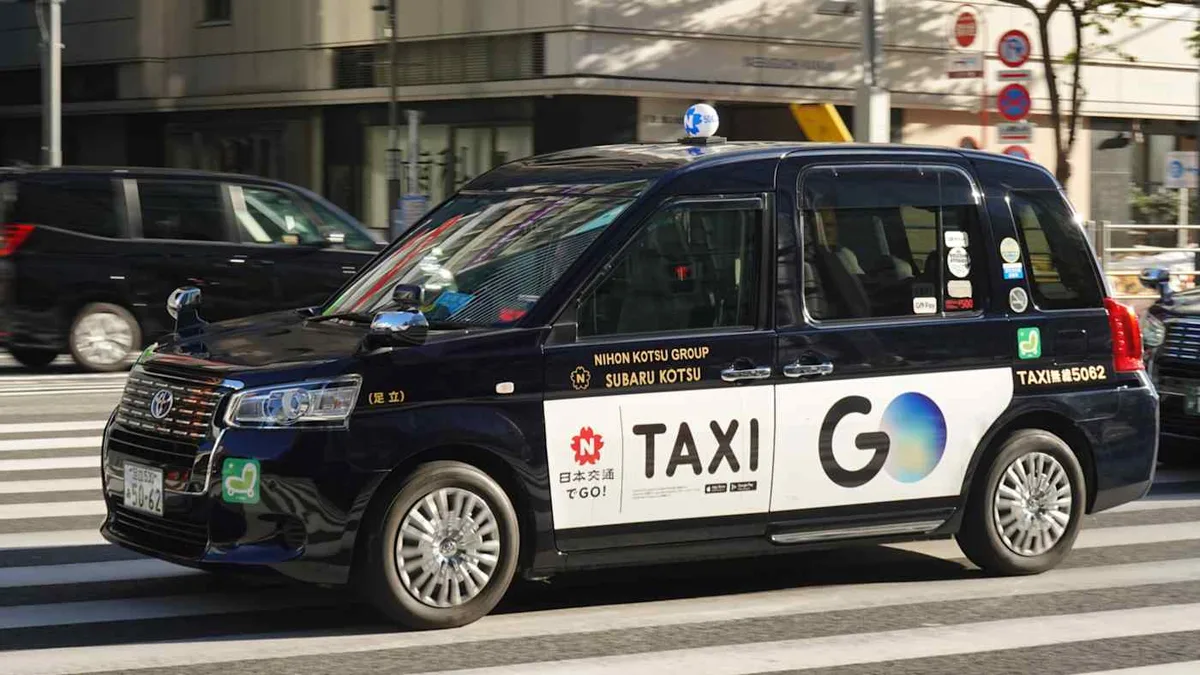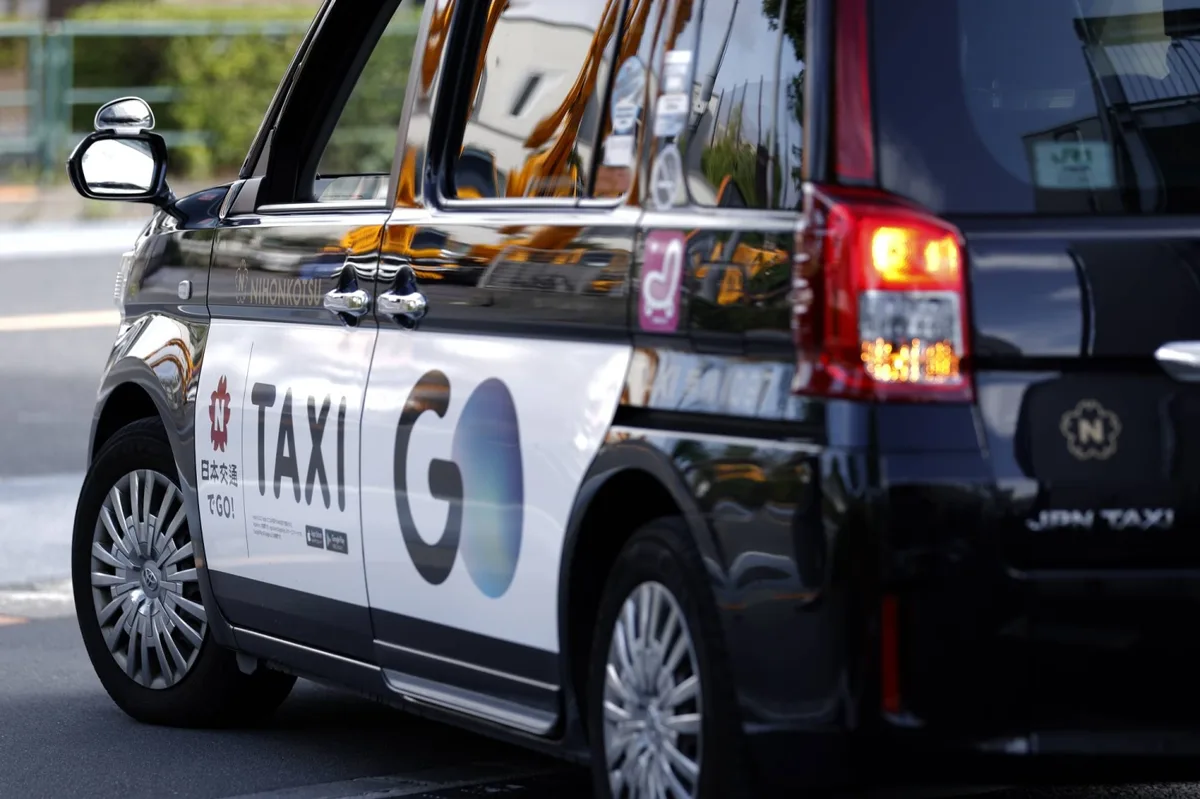
Go, the operator of Japan’s most widely used taxi booking app, raised approximately ¥88.6 billion ($553 million) through its initial public offering on the Tokyo Stock Exchange on June 16, 2026 [1]. The offering gave the company a market valuation of ¥186 billion at the time of the IPO [1].
Shares of Go surged above the IPO price on debut day, closing up 10% according to one source [2], while another reported a jump as high as 21% during trading [1]. The shares were priced at ¥2,400 and climbed to as high as ¥2,910 in early trading [1]. Investors showed strong demand for the stock, with the offering approximately 20 to 25 times oversubscribed [1].
International investors took up 70% of the IPO shares, while local retail investors held 25%, and domestic institutions accounted for the remaining 5% [1]. The IPO was jointly coordinated by Goldman Sachs, Nomura Holdings, and Bank of America [1]. Notably, Goldman Sachs had invested ¥10 billion in Go back in 2023 during a private funding round that valued the company at ¥135 billion [1].
Go plans to use the proceeds to expand its services and build a robotaxi business to compete with rivals such as Uber, Didi Global, and Sony-backed S.Ride [2, 1]. The company estimates revenue of ¥40.8 billion and operating profit of ¥7 billion for the fiscal year ending May 31, 2026 [1].
The IPO marks a major milestone for Go as it seeks to leverage its dominant market position in Japan’s taxi app industry to pioneer autonomous ride-hailing technology [2]. The company’s shares will continue trading on the Tokyo Stock Exchange following their successful debut.