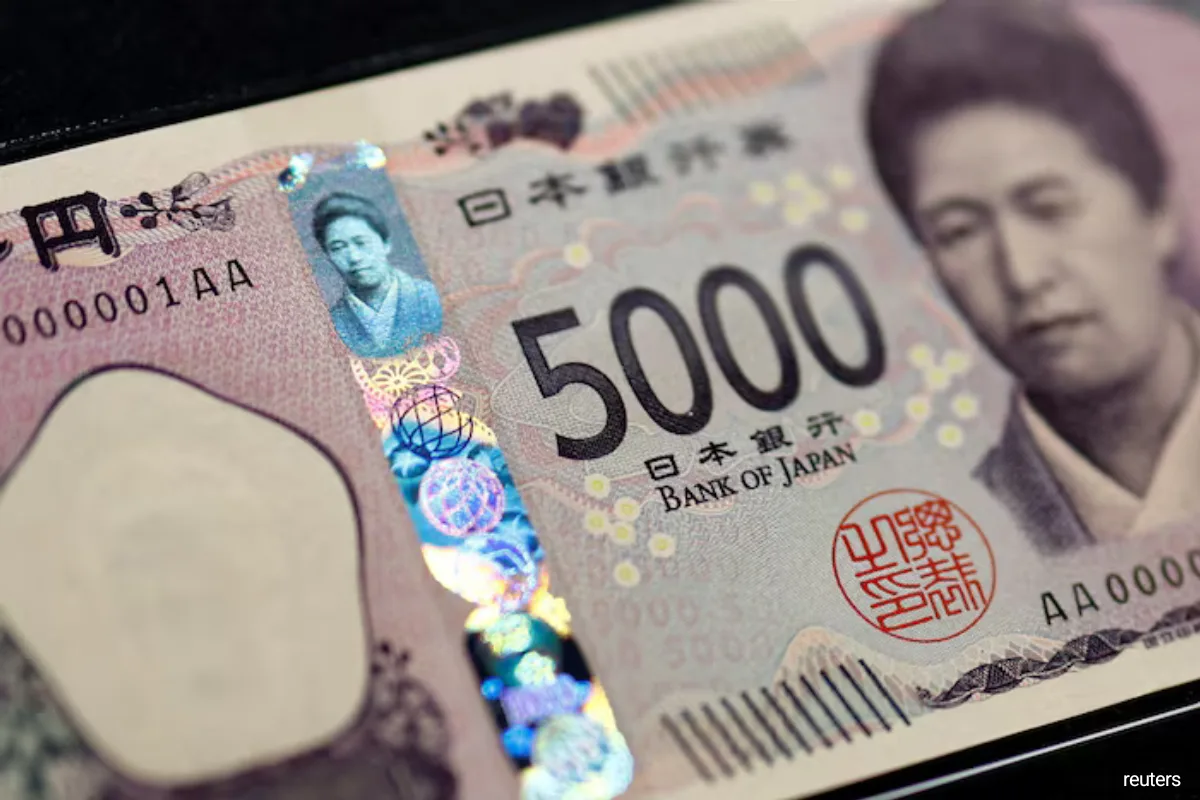
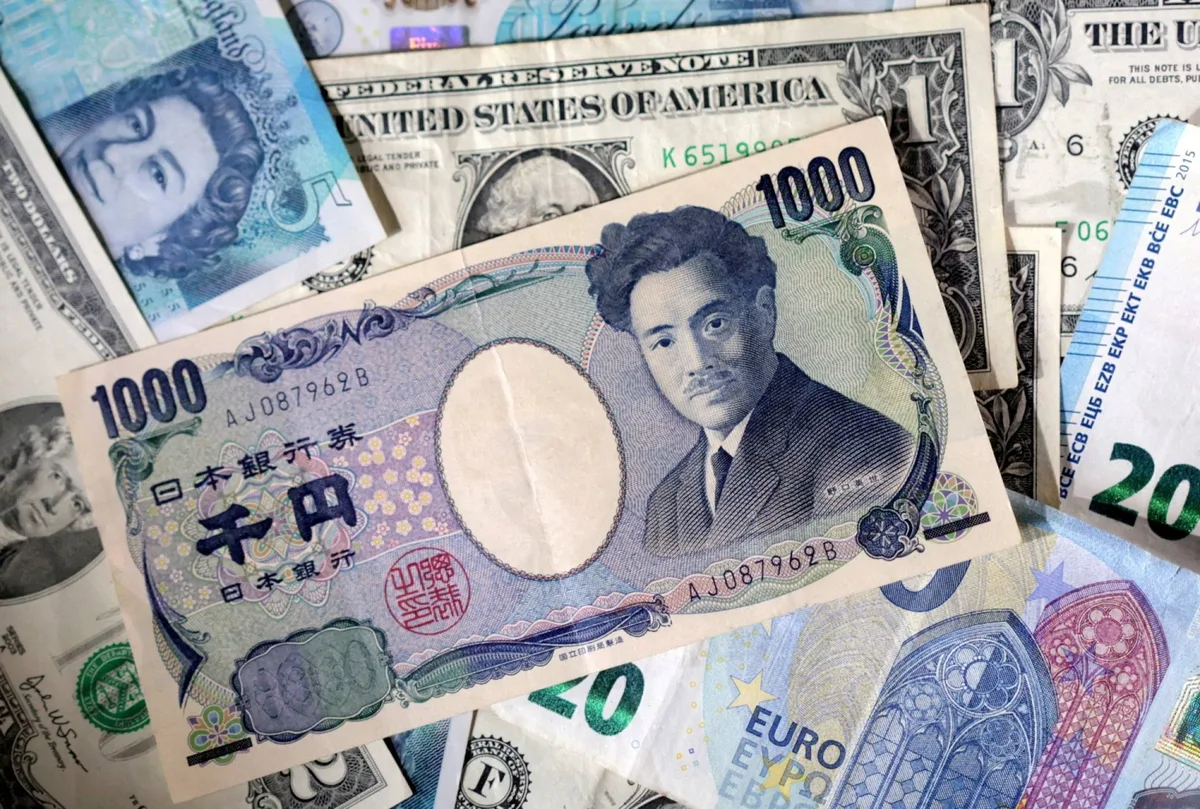
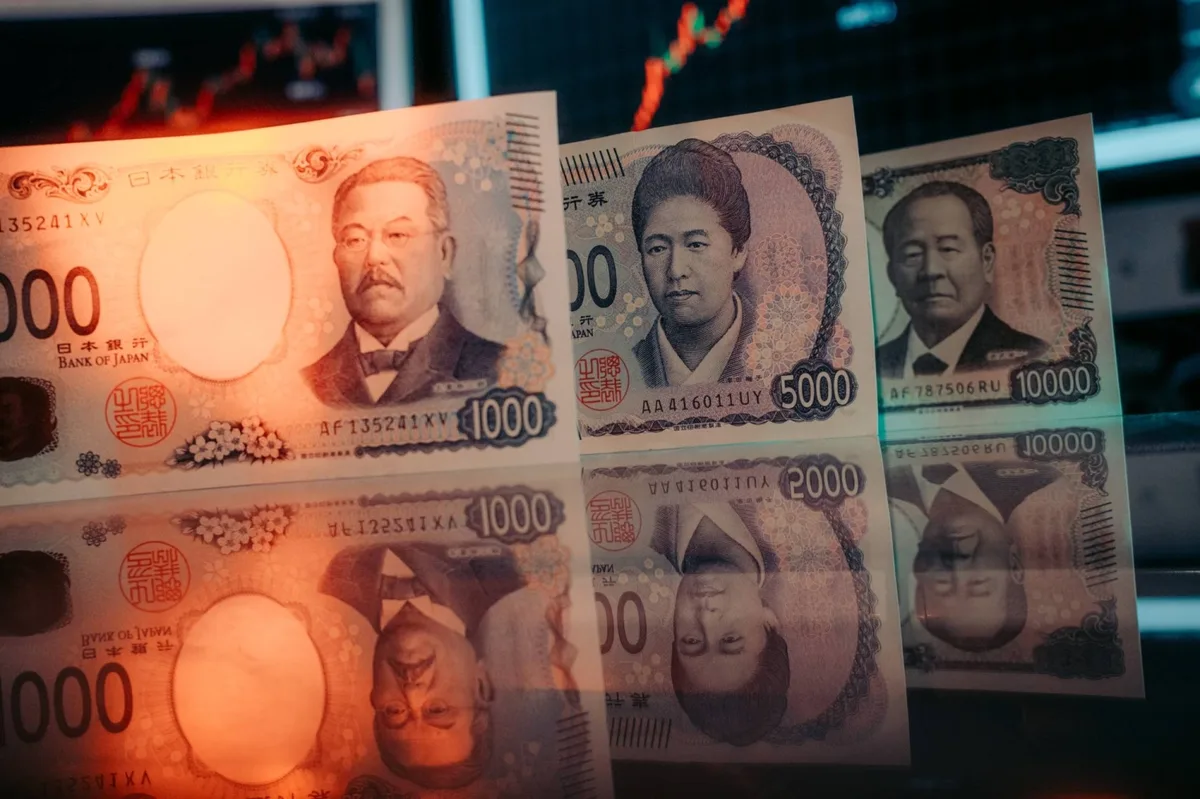
Japan spent about ¥11.7 trillion ($73 billion) on currency market interventions from April 28 to May 27, marking the largest single-month intervention on record to support the yen [1, 2]. After the intervention, the yen strengthened briefly to around 155 per dollar by April 30 but resumed its decline, trading near the 160 level again in early June [1, 2].
Finance Minister Satsuki Katayama said on June 2 that the government remains ready to act in the currency market if needed, maintaining close coordination with U.S. authorities. She emphasized, “We retain our stance of being ready to respond in the currency market as needed” and reiterated, “As for foreign exchange, we continue to maintain our stance that we stand ready to take appropriate action at any time, as needed” [1, 3].
Market participants see the 160-per-dollar mark as a critical threshold likely to trigger further official intervention [1, 2]. Analysts warn that intervention alone only buys time. Masahiko Loo of State Street Investment Management said, “Intervention is buying time, not turning the tide — the real pivot has to come from the BOJ,” referring to the Bank of Japan’s expected interest rate hike scheduled for June 16, which many see as key to sustainable yen strengthening [4].
Domestic political pressure has grown to address structural causes of yen weakness. Ruling party lawmaker Taro Kono criticized stopgap interventions, saying, “To bring the yen back toward an appreciation trend, stopgap market interventions are completely meaningless. First, the government should stop signalling in ways that restrain the Bank of Japan from raising policy interest rates” [1].
Japanese authorities have notably refrained from escalating verbal warnings on the yen despite its weakness near 160 per dollar, focusing instead on market responses and coordination with international partners [1, 3]. The yen’s net short positions on futures contracts reached 114,667 in late May, reflecting continued bearish bets on the currency [1].
The market now eyes the Bank of Japan’s policy decision on June 16 as the next major event that could determine if the yen’s decline is halted or accelerates further [4].