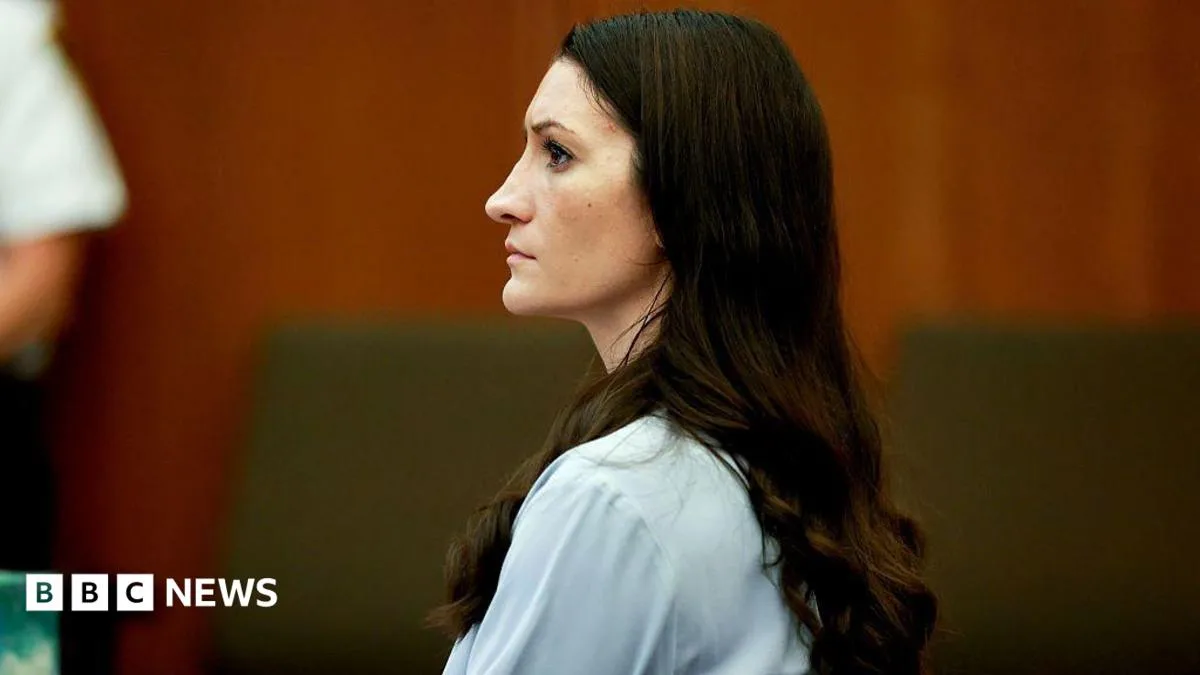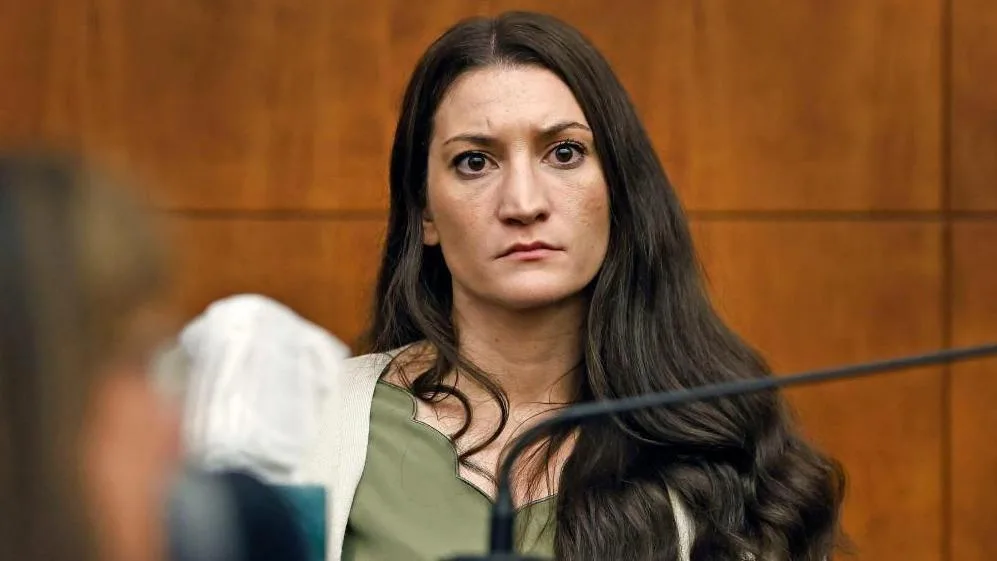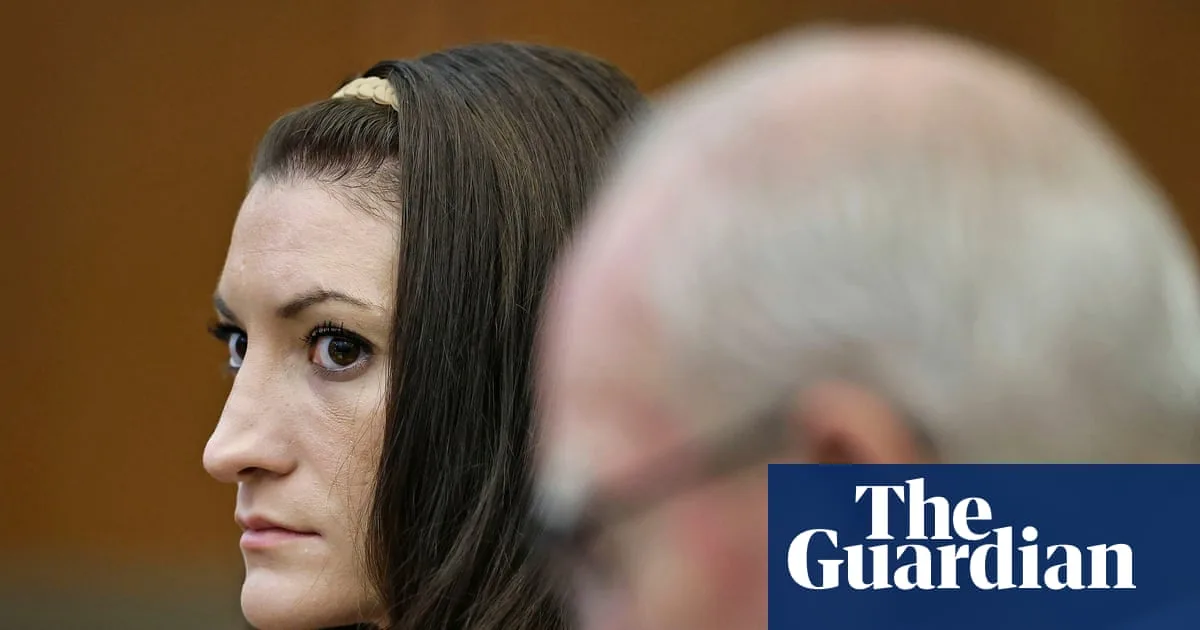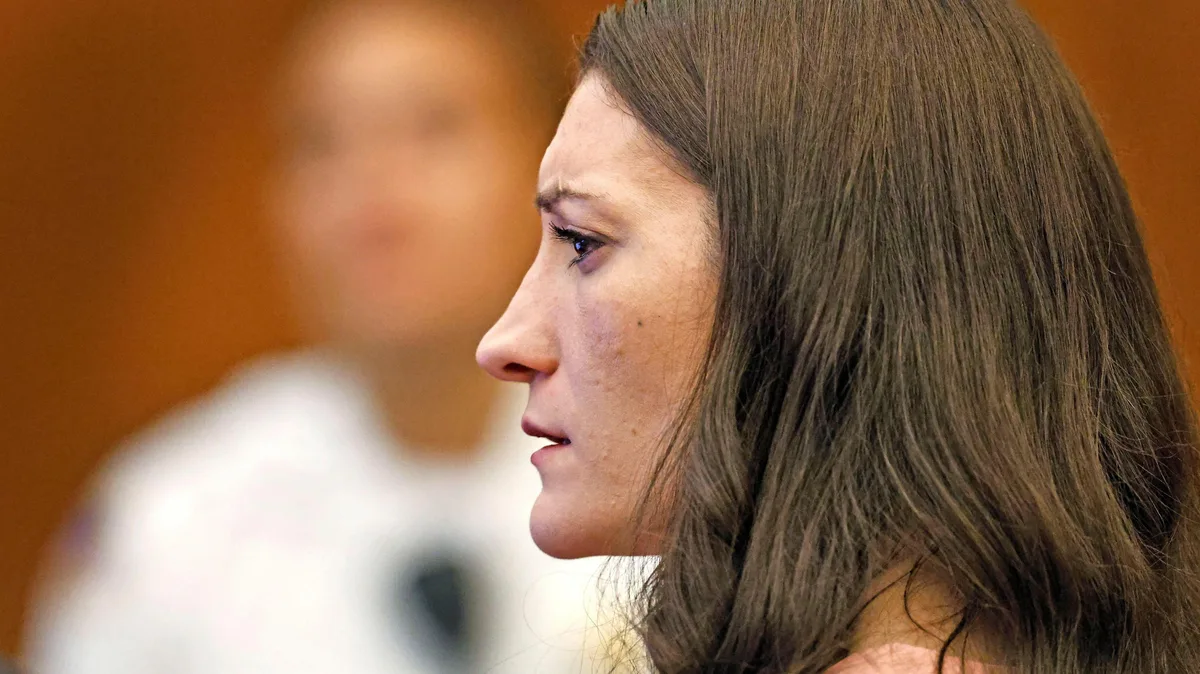
Lindsay Clancy, 36, is on trial for killing her three children—Cora, 5; Dawson, 3; and Callan, 8 months—at their Duxbury, Massachusetts home in January 2023 [1, 2, 3, 4]. Clancy has admitted to the killings but her defense says she suffered from severe mental illness, specifically postpartum psychosis, at the time [1, 2, 3, 4]. Prosecutors argue she acted with intent and should be criminally liable [1, 2, 3, 4].
Clancy allegedly strangled her children using fitness bands and then attempted suicide by jumping from a second-floor window, which left her paralyzed and attending trial in a wheelchair [1, 2, 3, 4]. The trial, held over five weeks in August 2026, has featured conflicting expert testimony on Clancy’s mental state. Defense psychiatrists diagnosed postpartum psychosis and bipolar disorder, stating she was unable to control her actions on the day of the killings [3, 4]. One defense expert said Clancy was "unable to conform her conduct to the requirements of the law on the day that she took the lives of her children" [4].
Prosecution experts rejected the psychosis diagnosis, instead claiming Clancy suffered from a major depressive episode but retained awareness of her actions. Forensic psychologist Kirk Heilbrun testified, "She retained an awareness of the illegality of killing others, including her children. Her moral awareness of this killing was influenced by her strong desire to die and, if she was dead, not to leave her children behind" [3]. Prosecutors maintain the killings were intentional and premeditated [1, 2, 3].
Defense attorney Kevin Reddington argued, "This young lady is not guilty of the killing of her children because she was suffering from a disease and defect" [2]. The jury must decide between charges of first-degree murder, second-degree murder, involuntary manslaughter, or not guilty by reason of insanity [2]. Under Massachusetts law, a first-degree murder conviction carries a mandatory life sentence without parole [1, 2]. If found not guilty by reason of insanity, Clancy faces possible indefinite psychiatric commitment [2].
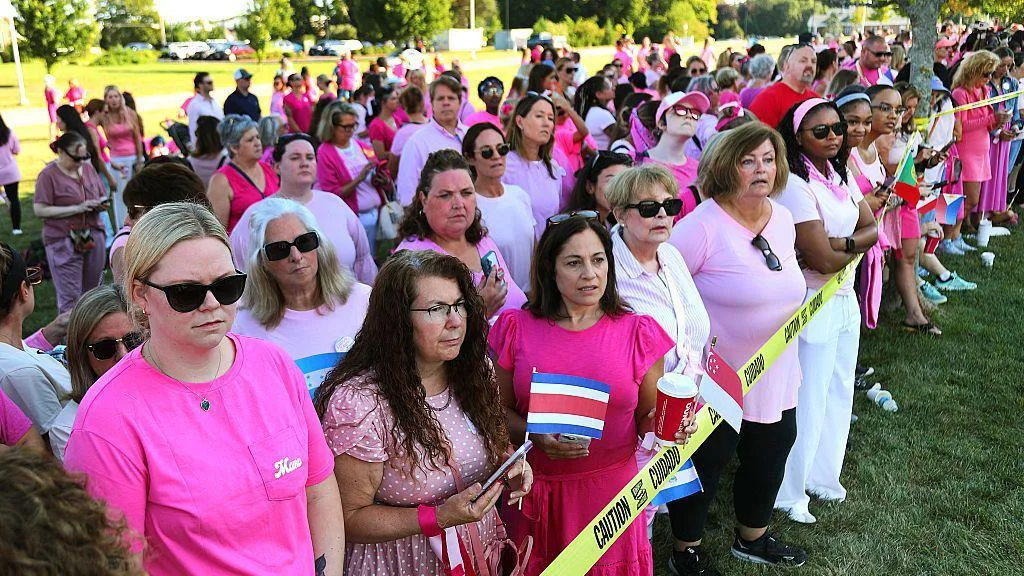
The case has drawn significant public attention, with social media discussions and support vigils outside the courthouse [1]. On August 27, 2026, closing arguments were completed before the jury began deliberations [1, 2, 4]. Jury deliberations were expected to continue on August 28 [3].