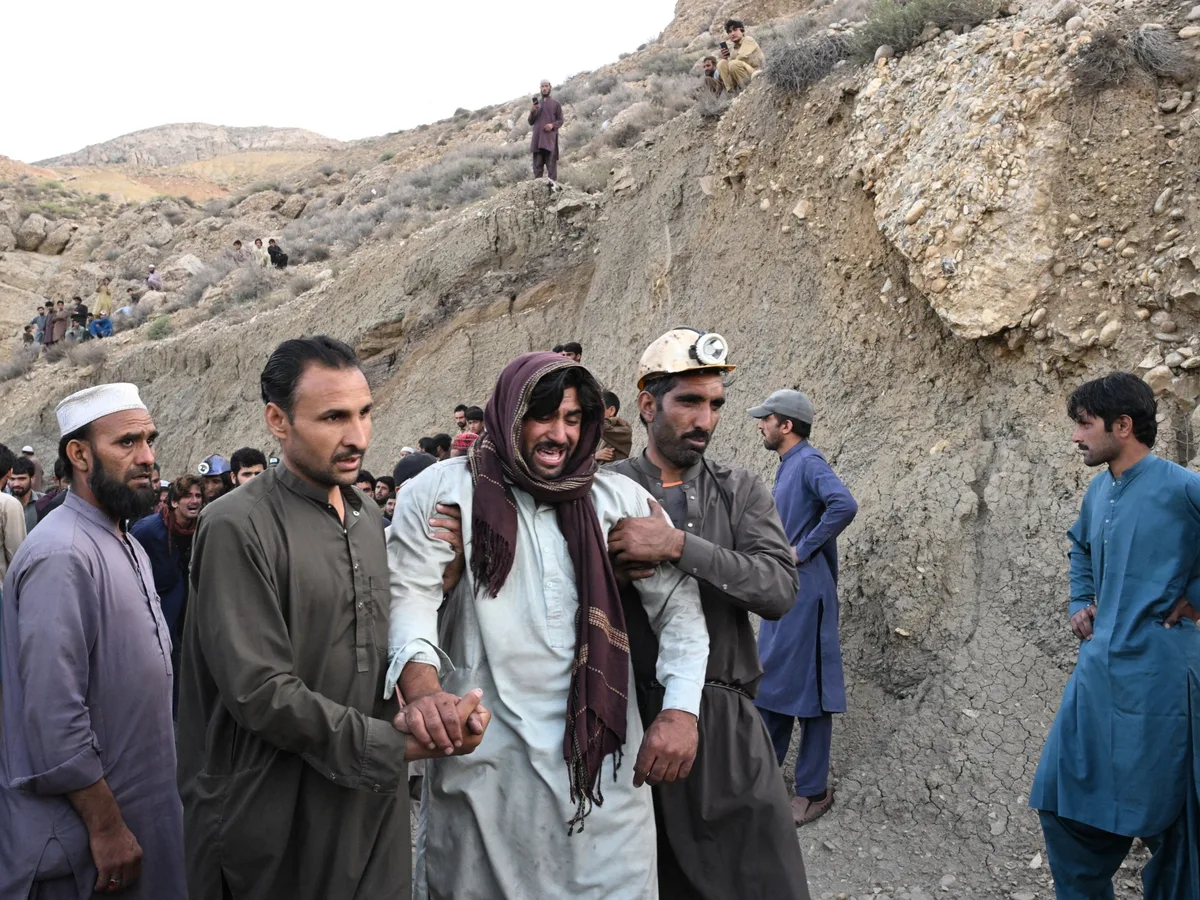
A methane gas explosion on July 30 killed at least 34 miners in a coal mine in the Sorange area near Quetta in Balochistan province, Pakistan [1, 2]. Initial reports had stated 11 deaths, but later confirmations raised the toll to 34 [3, 1, 2]. The blast was caused by a buildup of methane gas inside the mine [3, 1, 2].
Authorities said 42 miners were working inside the mine at the time of the explosion, although some reports gave a lower figure of 36 in the collapsed section [3, 2]. Provincial officials and disaster teams are leading rescue operations to find any survivors trapped underground, but chances of survival are low due to oxygen depletion after the gas explosion [3, 1]. Government mine inspector Ghani Baloch said, "We are hopeful to find some miners alive, but chances are low," noting that oxygen levels drop to zero after such blasts and rescuers must caution inside the mine [3, 1].
The rescue effort has reached depths of up to 4,000 feet (1,219 meters) into the mine [3]. Rescue operations continued late on July 30 and through July 31 as authorities recovered bodies and searched for trapped miners [3, 1].
The coal mining industry in Balochistan faces frequent accidents due to poor safety standards including inadequate ventilation and lack of gas monitoring [3, 1, 2]. Labour unions blamed negligence and called for stricter enforcement of safety regulations [1]. Provincial Chief Minister Sarfraz Bugti promised "strict action would be taken if any negligence or misconduct was found" in the investigation of the incident [2].
Provincial Minister Shoaib Nosherwani announced the government will provide compensation of 500,000 Pakistani rupees (about $1,800) to families of each deceased miner [1].
Rescue work continues as officials push deeper to reach any remaining survivors despite difficult conditions and risks posed by the methane gas [3, 1].
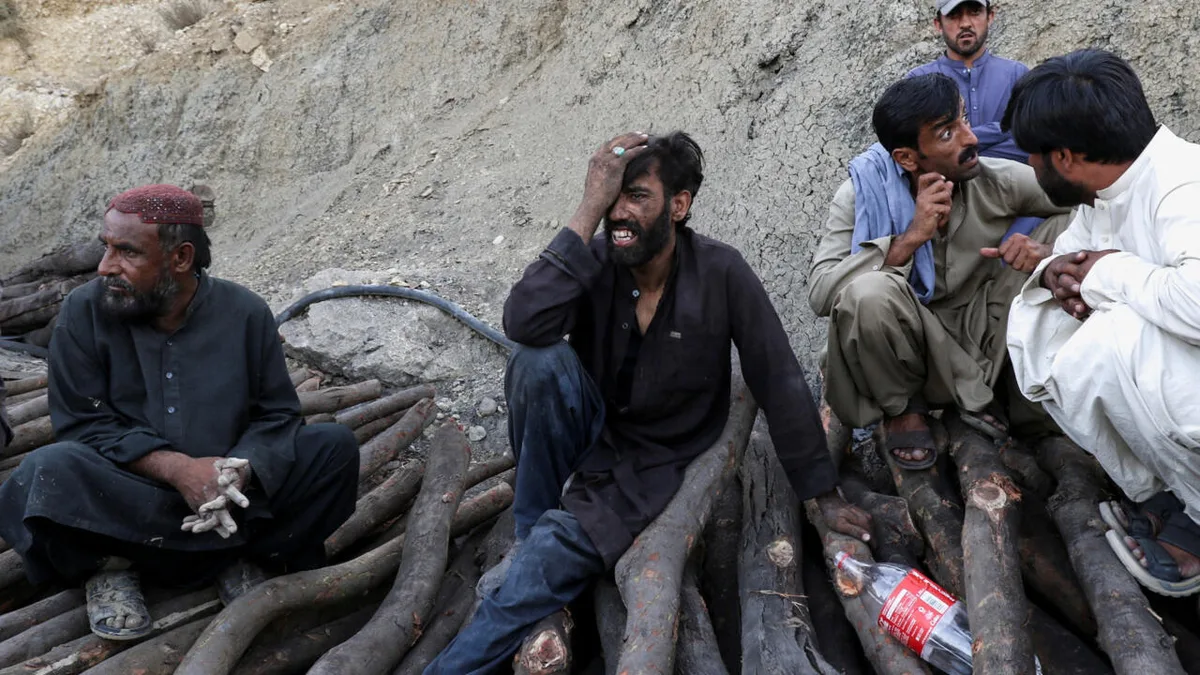
![Coal miners and relatives gather after a coal mine collapsed in the Sorange area, some 50 kilometres (31 miles) east of Quetta, on July 30, 2026 [AFP]](/uploads/2026/07/30/5a52cbb2b9d1815a033f2097.webp)