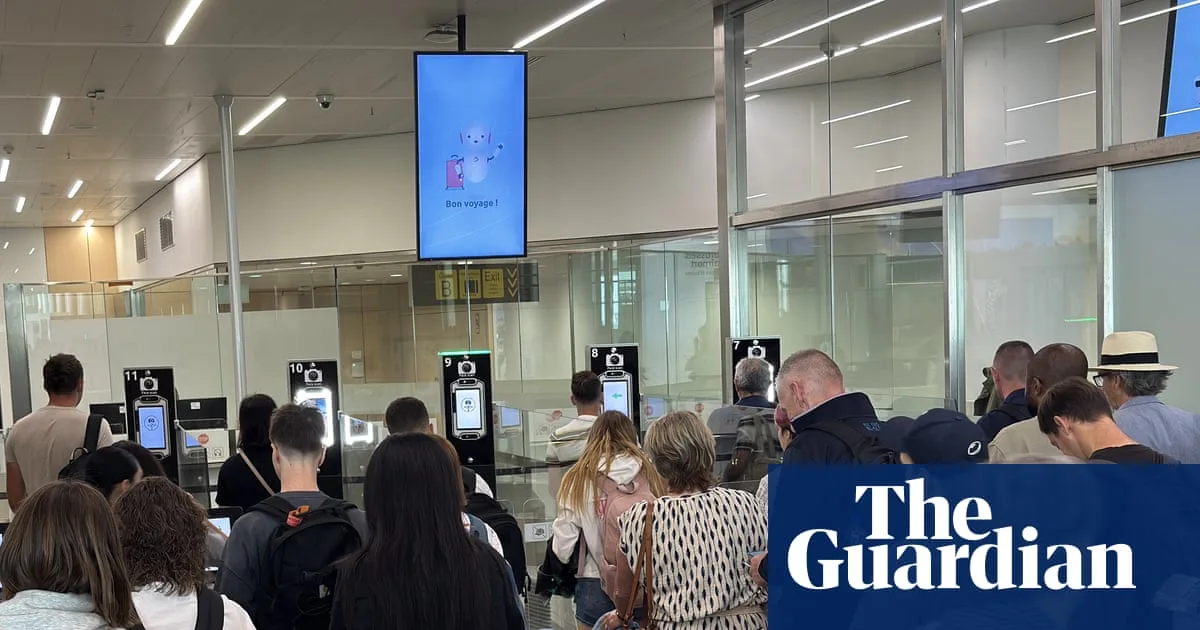
The European Union's new biometric Entry-Exit System (EES) for non-EU nationals has caused severe travel delays since becoming fully operational in April 2026. The system requires fingerprint and photo registration on arrival and departure at all EU external borders and airports [1, 2, 3, 4].
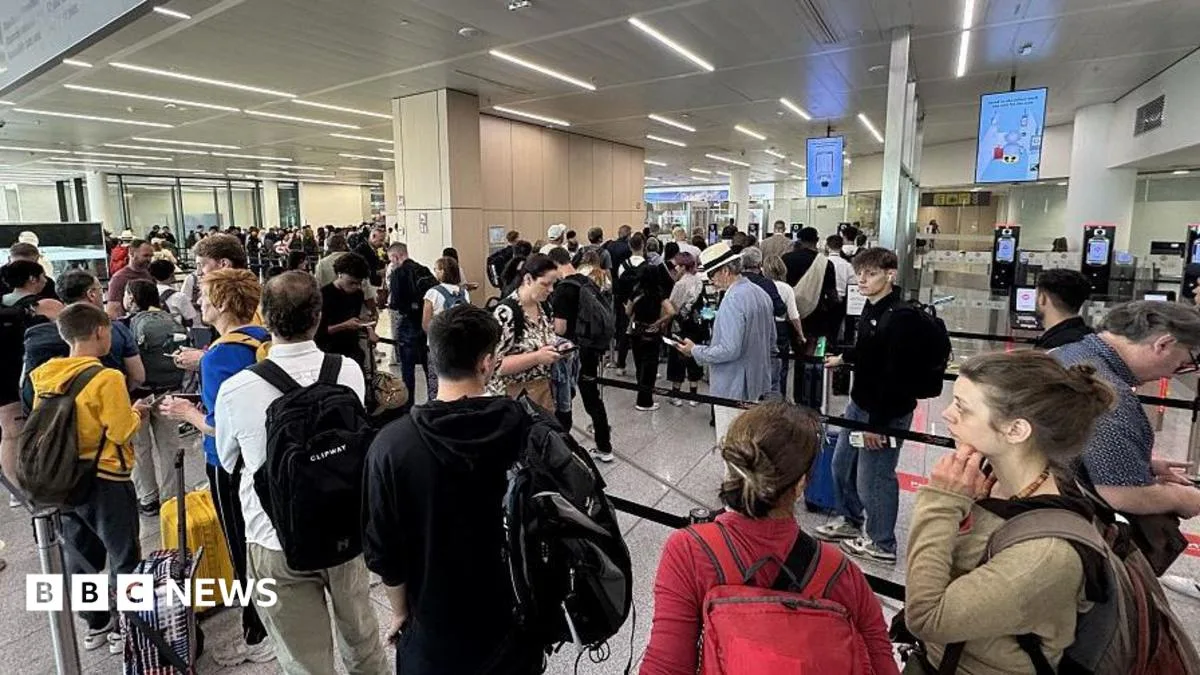
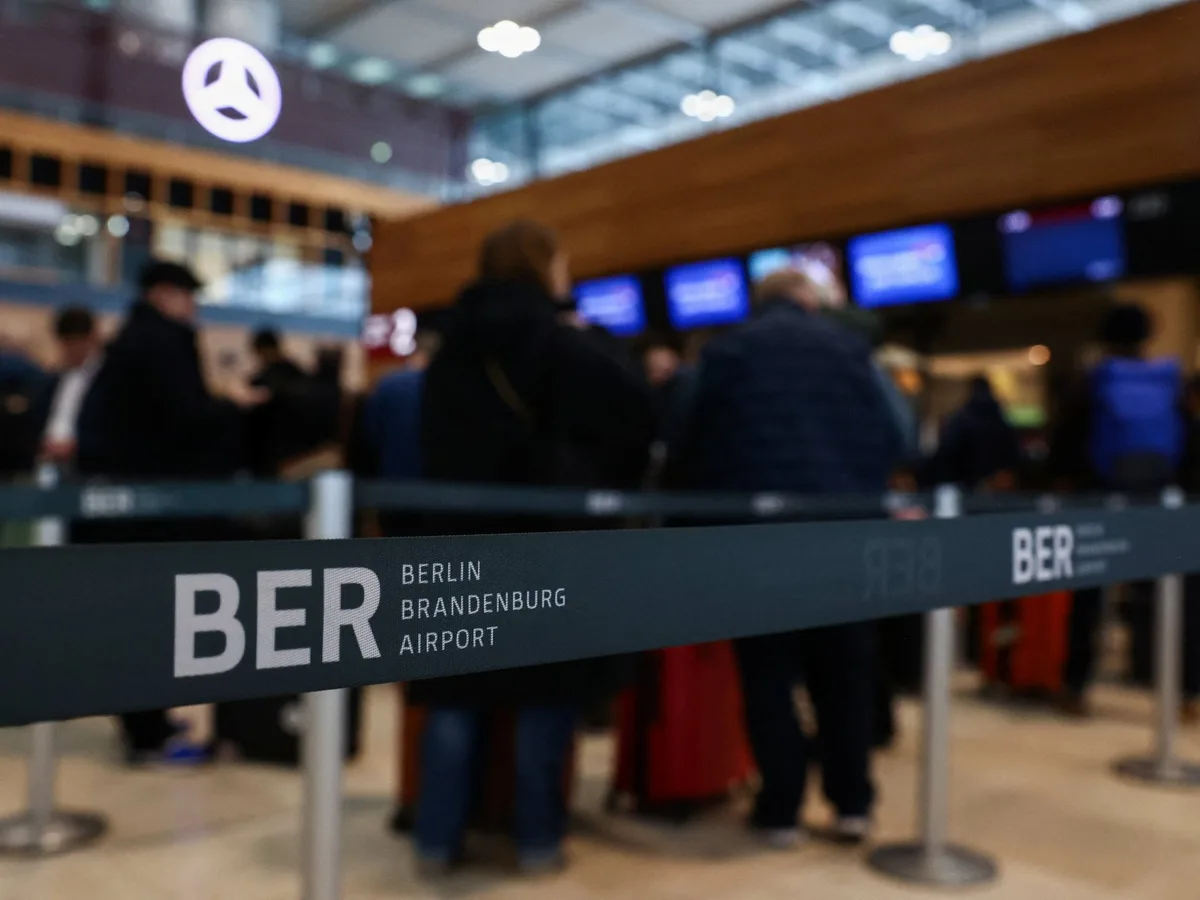
Travelers faced queue times ranging from 1 to 2 hours at Berlin Airport and up to 5 hours at some EU/Schengen external border crossings during peak summer periods, leading to missed flights and airlines departing with half-full planes due to prolonged boarding and border processing times [1, 2, 3, 4].
Aletta von Massenbach, Berlin Airport boss, said, "There are so many sub-systems for each and every member state. We see that the complexity doesn't really support smooth processing at the border" [1]. Technical issues also prevent activation of EES biometric kiosks at the Port of Dover, which hosts French border checks, complicating operations there. Doug Bannister, Port of Dover chief executive, warned, "Time is rapidly running out to fix it. We are rapidly heading towards the start of the critical summer period and are yet to receive the assurances we need to avoid what has the potential to be a very challenging six weeks" [1].
To manage the disruption, countries such as Greece suspended biometric checks for British travelers until September [2]. Industry groups representing airports and airlines—including ACI Europe, Airlines for Europe, and the International Air Transport Association—have urged the European Commission to suspend or allow flexibility in enforcing EES checks during July and August. They warned that "Passengers have already been forced to queue for extended periods outside terminal buildings and on exposed aprons. Airlines face half-empty planes at gate closing time, while passengers are stuck in border control queues," and called for "immediate intervention before the situation deteriorates further during the peak summer travel season" [2, 3].
They also said, "The rollout of the system has created severe operational consequences across European airports despite extensive preparations by the aviation sector" [4].
An estimated 40 million more passengers travel through EU airports in July and August compared to the preceding two months, increasing pressure on border controls [3]. With summer delays persisting, the coming weeks remain critical for resolving operational and technical issues affecting the EES system.