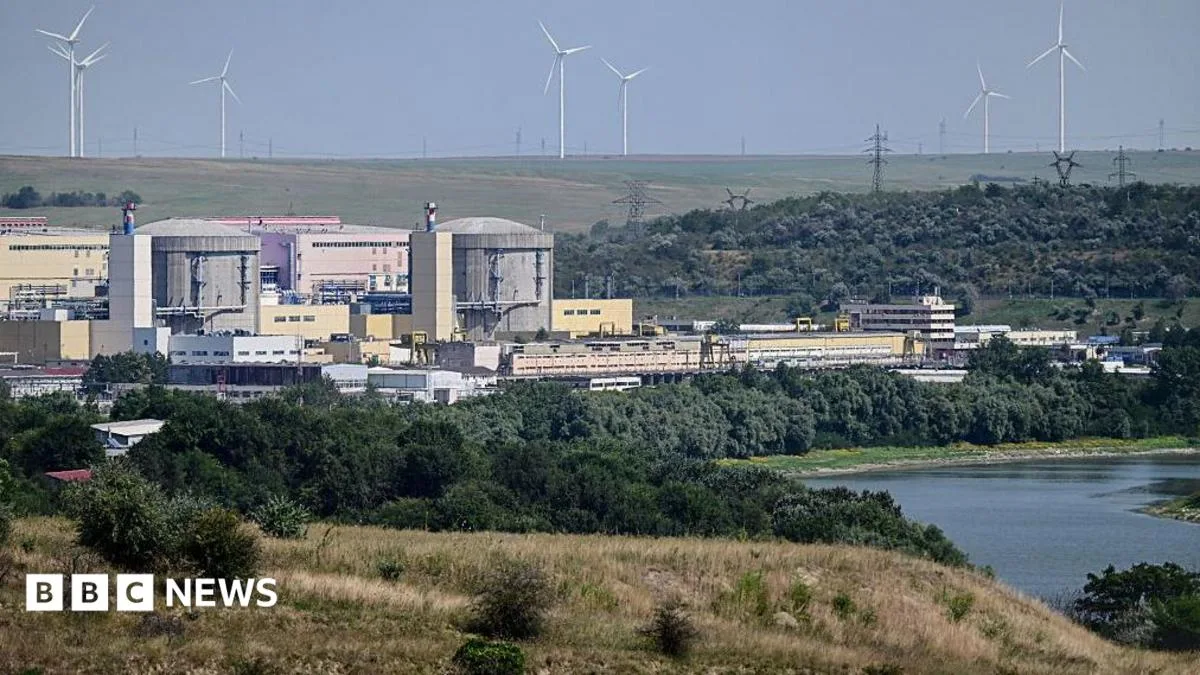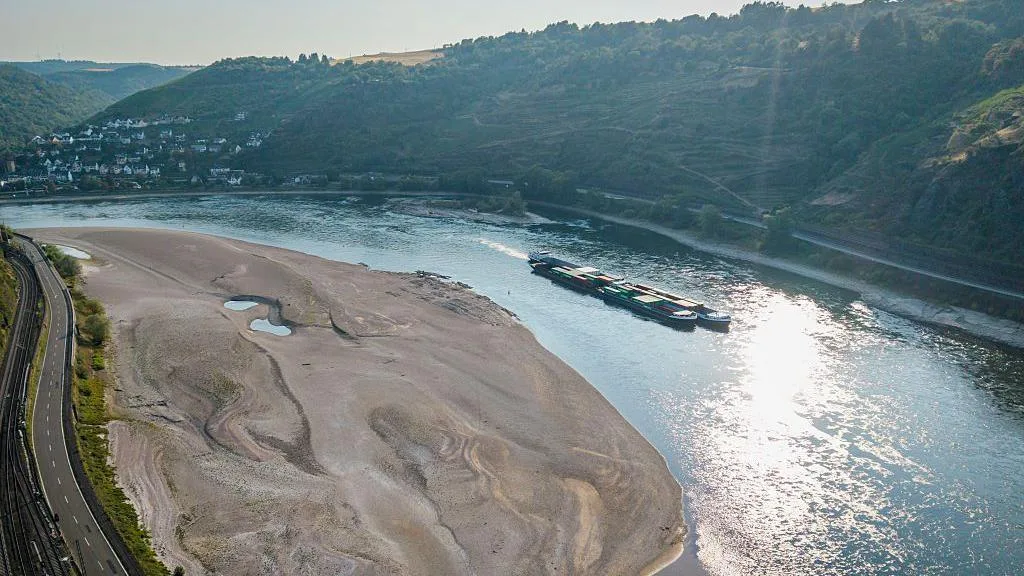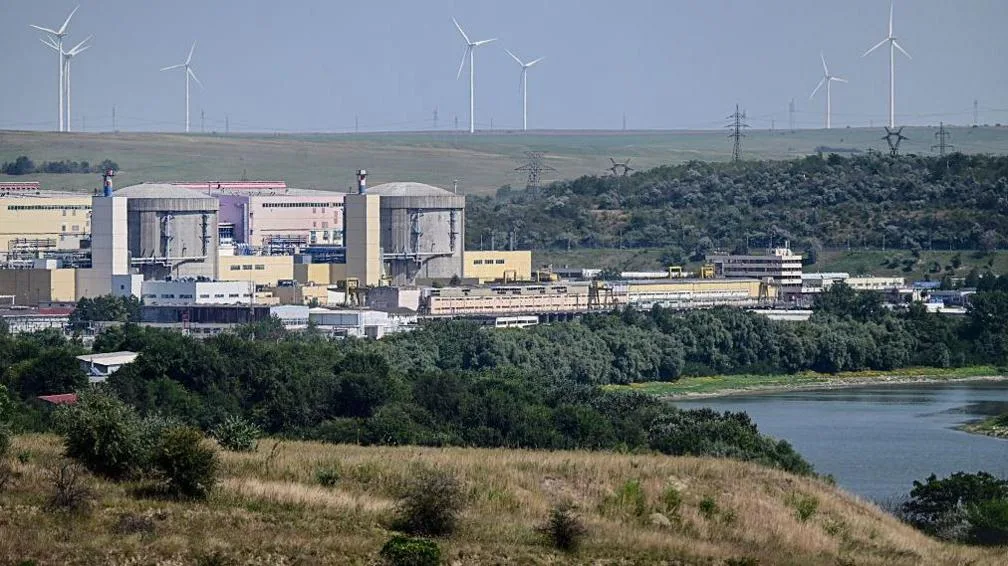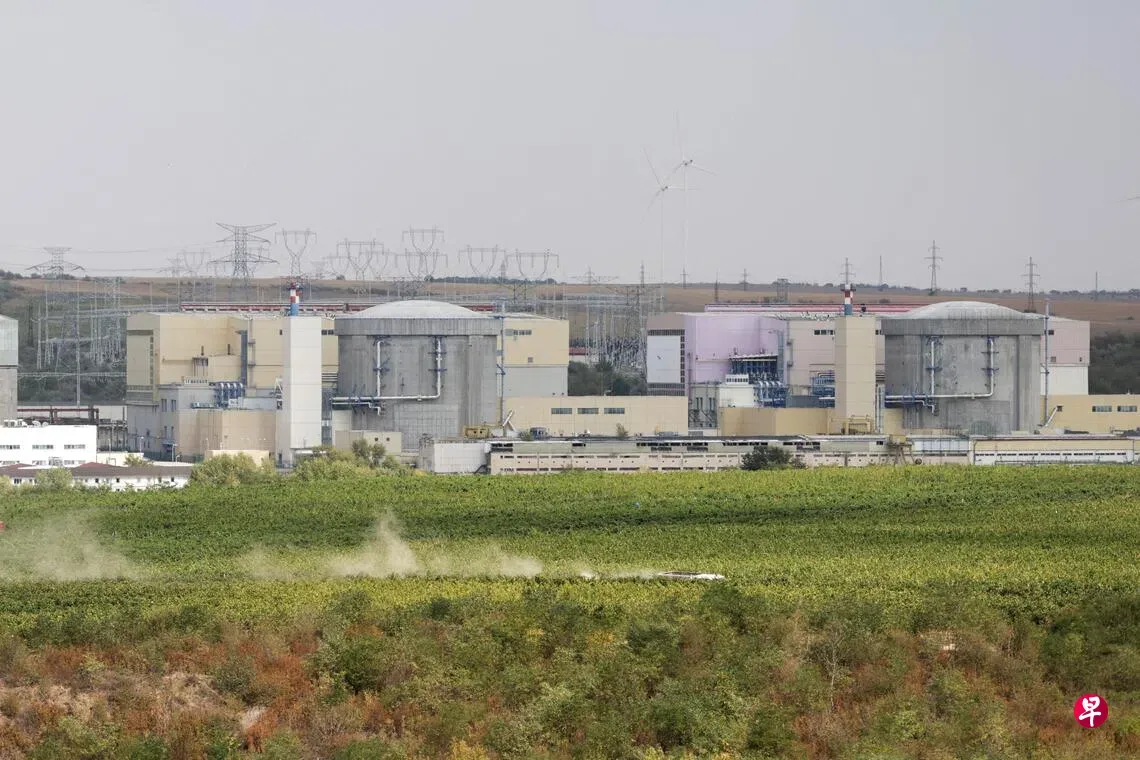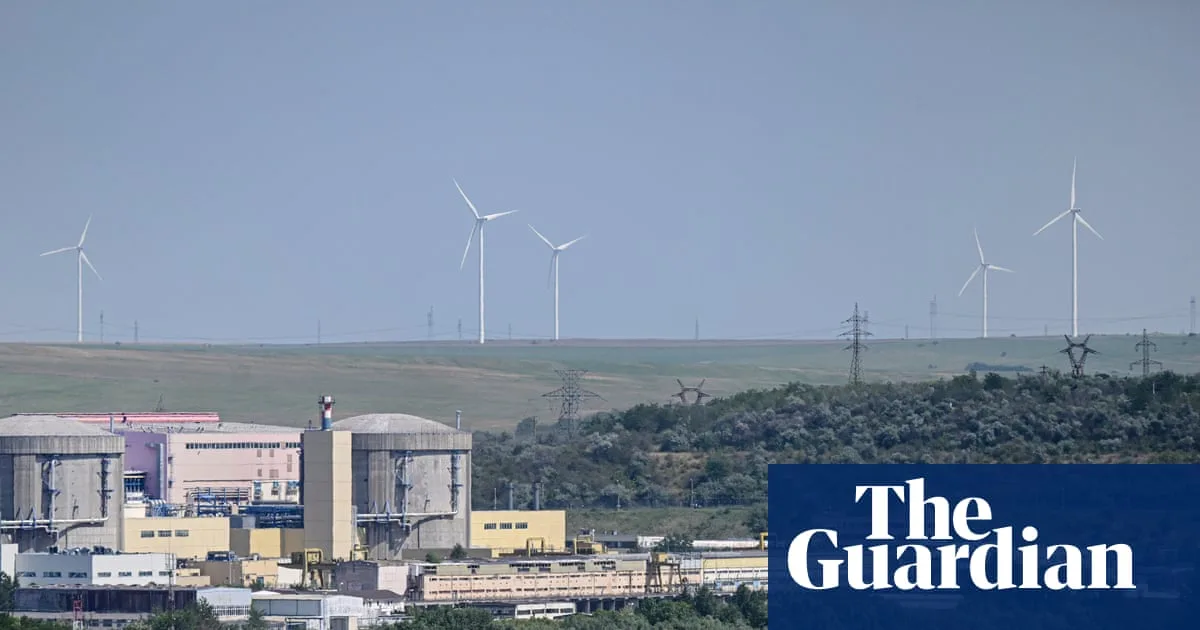
Romania shut down the final operational reactor at its Cernavodă nuclear power plant on Thursday, August 13, 2026, due to dangerously low water levels in the Danube River caused by ongoing drought conditions [1, 2, 3, 4, 5, 6]. The plant’s second reactor was disconnected before midday, leaving the plant completely offline for the first time in 23 years [1, 5]. The first reactor had already been idled in late July for the same reason [1, 2, 3, 4, 5, 6].
Each reactor at Cernavodă has a capacity of 706 megawatts and together they provide about 20% of Romania’s electricity supply [1, 2, 3, 5, 6]. The Danube’s water levels are at their lowest for July in more than three decades, severely limiting the plant’s ability to draw sufficient cooling water [1, 2, 3, 4, 5, 6]. Attempts to raise water flow—including sinking barges filled with rocks and blasting the riverbed—failed to avert the shutdown [1, 3, 4, 6].
"We do not foresee a restart within the next 10 days," Cernavodă plant director Romeo Urjan said [1]. The shutdown is expected to last at least that long with no immediate restart date set [1, 2, 4, 5, 6].
Romania declared a state of energy emergency for August amid the crisis and urged both households and industry to reduce power use during peak hours [2, 3, 6]. Car manufacturers Dacia and Ford were asked to pause operations until August 19 to conserve electricity [2, 4]. To compensate for lost nuclear output, Romania has activated a 330-megawatt lignite power plant and increased wind and hydropower generation where possible [2, 3, 6]. The country is also importing more electricity and may impose restrictions on large industrial users during the evening [1, 2, 3, 4, 6].
Neighboring Moldova, which depends on Romanian electricity for up to 60% of its supply, faces potential shortages or reliance on more expensive imports. Moldovan energy expert Sergiu Tofilat warned, "I think we should be ready for a worsening situation, including power outages, although it’s hard to say for sure right now" [2].
Hungary’s Paks nuclear plant, also cooled with Danube water, is operating at minimal levels and was close to shutdown in early August. Prime Minister Péter Magyar said his government is building a low weir to raise water levels permanently [1, 4, 5].
The Cernavodă plant shutdown marks a critical moment in the region’s energy supply amid prolonged drought. Romania’s government continues to request power conservation and will monitor water conditions closely before attempting to restart the plant.