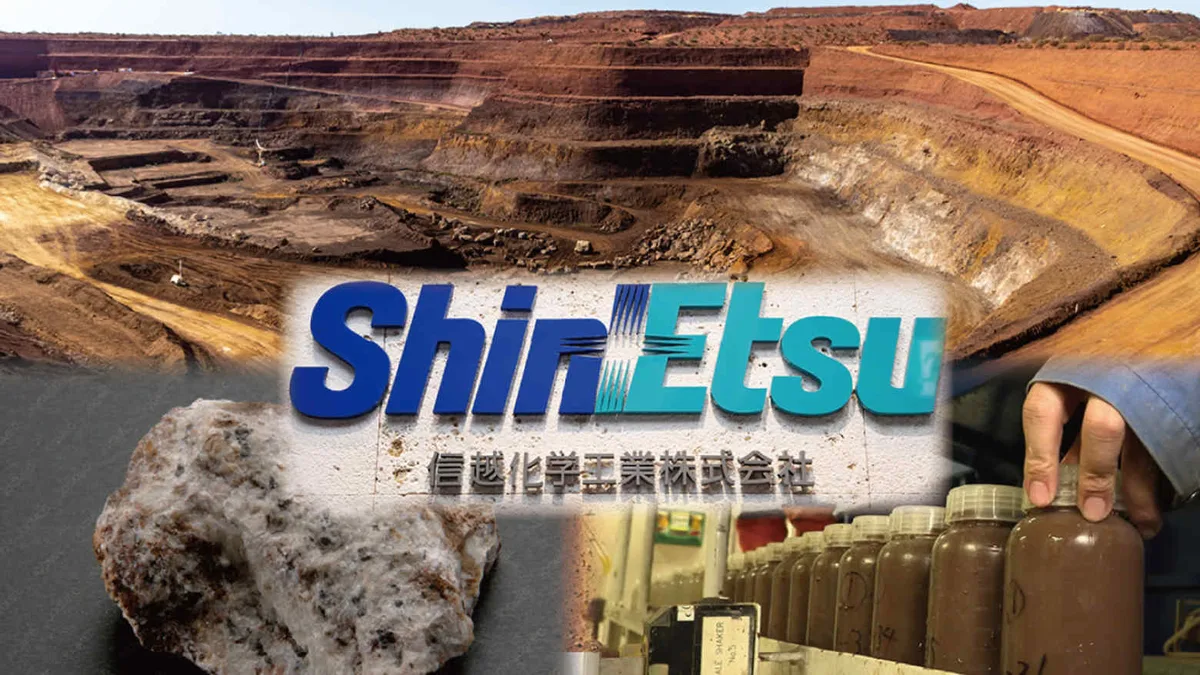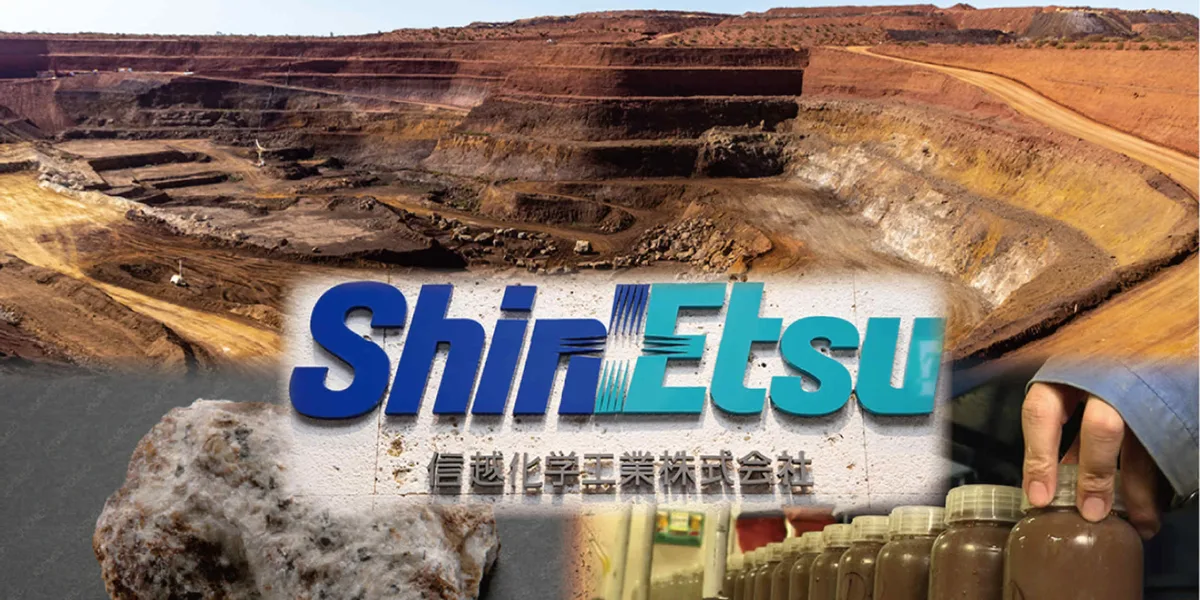
Shin-Etsu Chemical will build a new rare-earth refinery in Fukui Prefecture, Japan, aiming to achieve mass production and reduce dependence on China for rare-earth elements [1, 2]. The company confirmed in August 2026 plans to invest approximately $220 million (over ¥35 billion) in the project [1, 2].
The new facility will be Shin-Etsu’s third rare-earth refinery located in Fukui Prefecture [2]. It will increase capacity for producing dysprosium, terbium, and yttrium—rare-earth elements critical for electric vehicle motors and semiconductor manufacturing equipment [1].
About half of the investment funding is expected to come from government subsidies, although Shin-Etsu declined to provide detailed timelines, exact costs, or scale information for the project [2].
Rare earth supply has become a geopolitical flashpoint, with China halting some exports of key rare-earth materials to Japan since early 2026 amid political tensions [2]. This disruption has raised concerns about Japan’s reliance on Chinese sources.
A Shin-Etsu spokesperson said the refinery is aimed at "ensuring a stable supply of rare-earth-related products and magnets," a critical component for Japan’s manufacturing sector [2]. Citigroup analysts described the project as "economically significant for national security" [2].
Shin-Etsu is one of three major Japanese magnet producers alongside TDK and Proterial. The company operates existing plants in Fukui and has an operation in Vietnam [2].
The refinery construction marks a strategic step to diversify supply chains away from China and boost domestic production amid rising geopolitical risks. The company has not announced a start date or detailed schedule for the new plant. [1, 2]