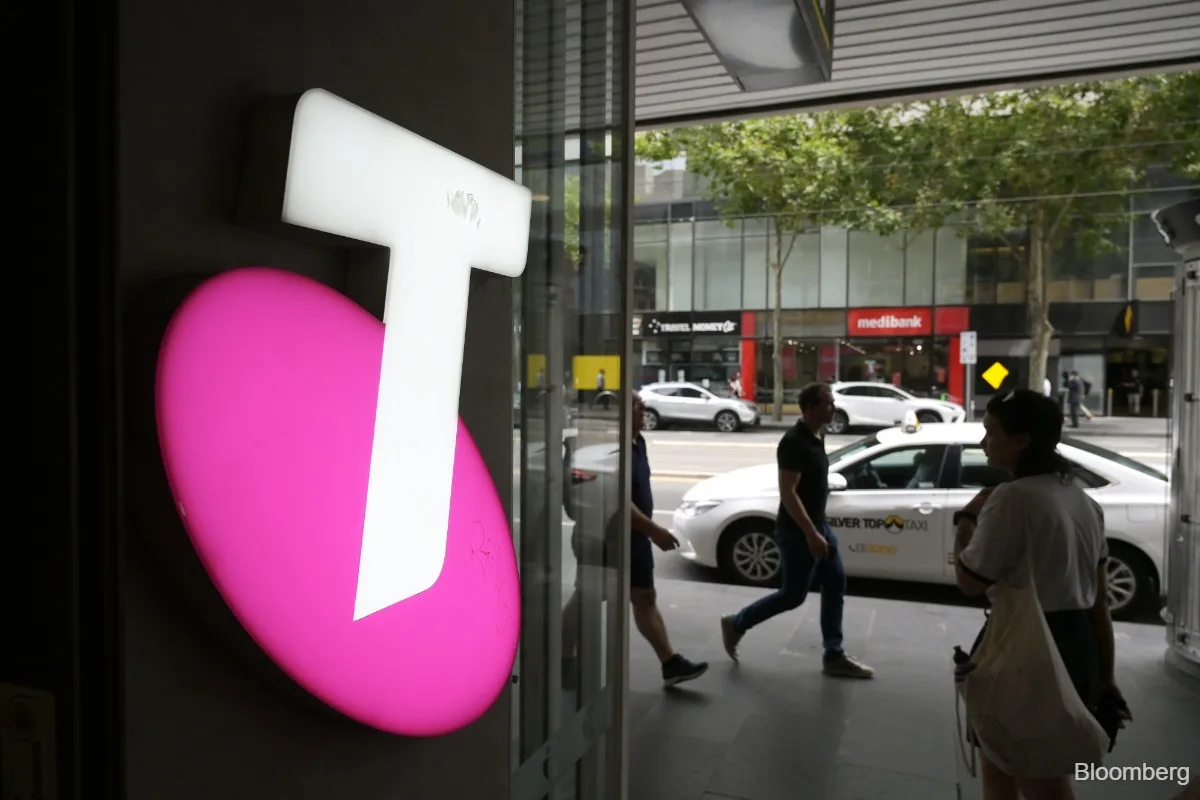
Telstra, Australia's largest telecom provider, suffered a nationwide outage starting around 4:30 a.m. local time on July 8, 2026, disrupting mobile calls, data, and emergency services across the country [1, 2, 3]. The fault was traced to a software defect in time-keeping servers at data centres in Sydney and Melbourne, not a cyber attack as initially feared [1, 3, 4, 5].
The outage affected millions of customers, with Telstra serving approximately 25 million retail mobile users nationwide [2, 3, 5]. During the peak of the disruption, over 7,500 reports were logged on Downdetector, reflecting widespread loss of connectivity [2, 6].
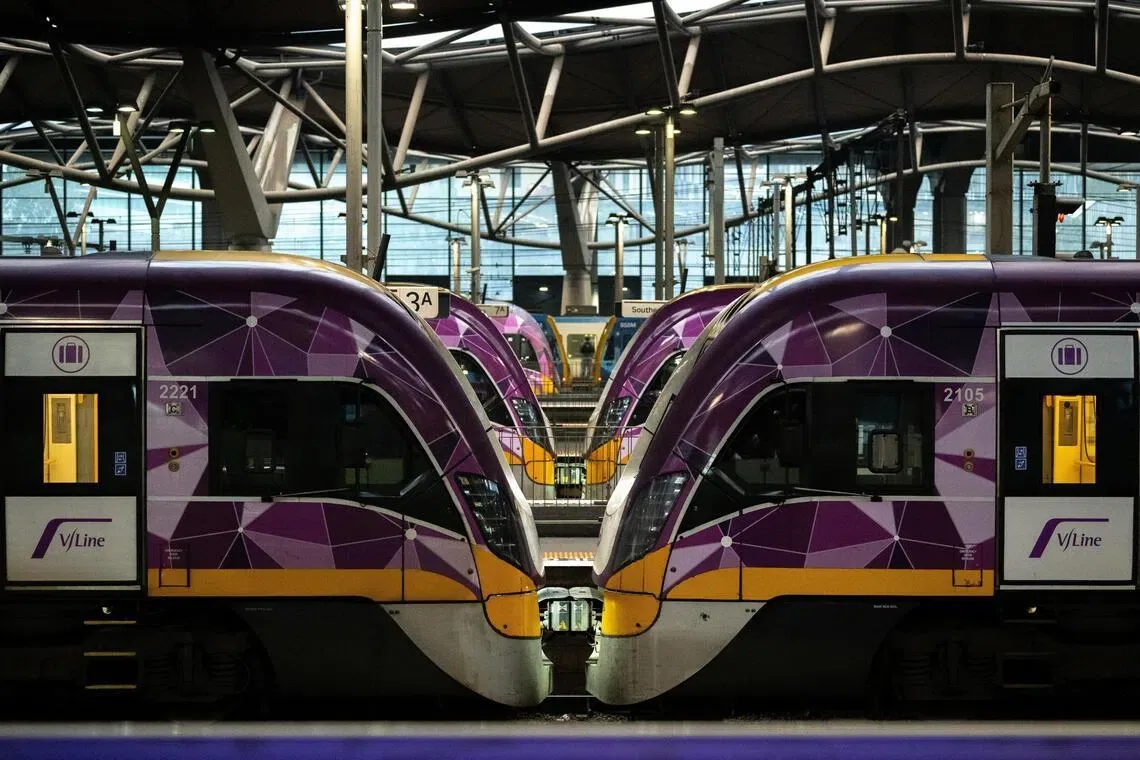
Victoria's entire regional rail network was suspended, along with some regional train services in New South Wales, as communication systems relied on Telstra's network were compromised [1, 2, 7, 3, 6, 5]. Taxi payment systems using Telstra infrastructure also failed, forcing some drivers to stop work and leaving passengers unable to pay fares [1, 7, 8, 9]. The outage further impacted payment terminals, traffic lights in Adelaide, electric vehicle charging stations, and other data-dependent services, adding to the disruption across affected regions [4, 10].
Telstra conducted 639 welfare checks on callers who accessed emergency services during the outage, and six people required immediate assistance [1, 6, 5]. Communications Minister Anika Wells said, "The key priorities for today are to get people back online and ensure any welfare checks are completed urgently," and acknowledged some Triple Zero calls still failed or went to message bank as residual problems lingered into the following day [3, 6]. Backup systems rerouted many emergency calls through other carriers, helping to minimize risks [1, 2, 6].
Service restoration progressed steadily on July 8, with Telstra reporting about 90% of calls and data restored by afternoon [3, 10]. However, a secondary issue impacting some Triple Zero emergency calls persisted into July 9, along with partial resumption of rail services [6, 5]. Telstra's CEO cut short a vacation to oversee outage management, while shares in the company fell 3.8% during Sydney trading after the incident was disclosed [5, 3].
Prime Minister Anthony Albanese called the outage "deeply concerning," emphasizing its nationwide impact [1, 10]. Telstra CFO Michael Ackland stated, "Australia can absolutely have faith in its biggest telco... we take these outages very very seriously," explaining that time synchronization nodes in the network, vital for authenticating traffic and services, had failed and would be strengthened in future to prevent recurrence [1, 4, 5].
The Australian government and telecommunications regulators have launched investigations into the causes and the impacts of the outage, particularly the effect on emergency call systems [1, 3, 6, 5]. Authorities continue welfare checks from the July 9 morning to ensure no outstanding emergencies remain [6, 5].