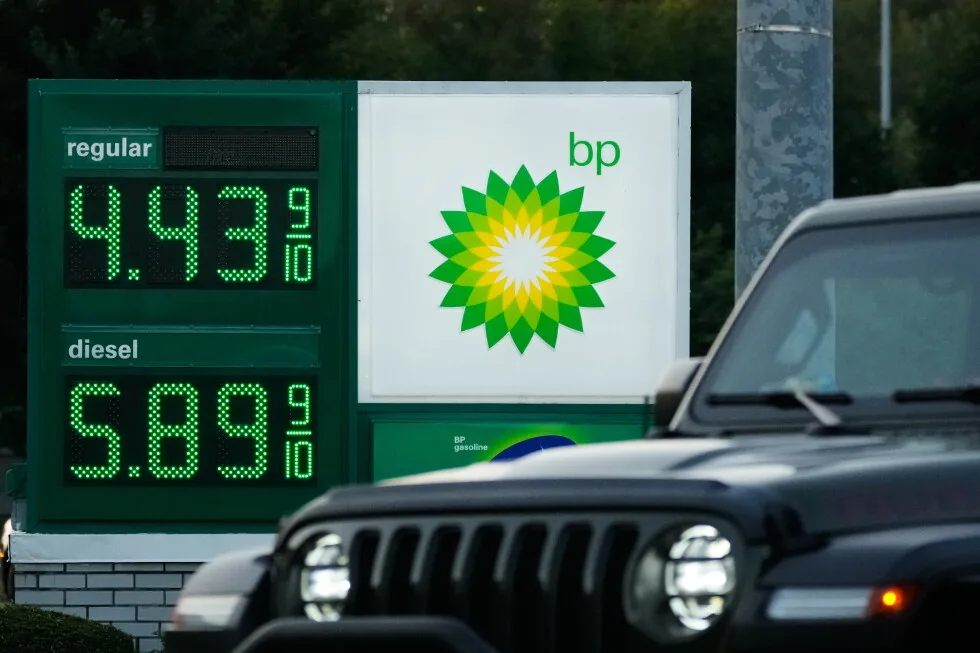
The average price of diesel in the US reached $5.85 per gallon on September 4, setting a new all-time high and surpassing the previous record of around $5.816 set in June 2022 [1, 2, 3]. This marks a sharp increase from approximately $3.7 per gallon a year ago, driven by disruptions from the US-Israel war with Iran that began at the end of February 2026 and its impact on oil supply routes including the effective closure of the Strait of Hormuz [1, 2].
The conflict has tightened supplies, causing transportation costs for freight to rise significantly. Higher diesel prices are pushing up costs for goods such as food, clothing, and other consumer products, affecting farmers, truckers, and freight companies across the country [2, 3]. Economic professor Erich Muehlegger noted, "Diesel is an input to virtually everything we consume," highlighting the broad impact on production and shipping costs [3].
Regular gasoline prices have also climbed to around $4.15 per gallon from about $3.20 a year ago, though they remain below diesel price levels [1, 2]. Patrick De Haan, head of petroleum analysis at GasBuddy, said, "Until that refining supply picture improves, both gasoline and diesel prices face continued upward pressure," citing ongoing refinery capacity strains worsened by Ukraine’s drone attacks on Russian refineries [3].
Smaller truckers and independent drivers are bearing the brunt of the diesel price volatility. George O’Connor, public affairs director for the Owner-Operator Independent Drivers Association, said, "Small business truckers are the first to feel it when prices jump," as large carriers have more flexibility to pass on surcharges [3].
In an effort to address fuel costs, former President Donald Trump announced an oil deal with Venezuela on September 4. The plan involves investments exceeding $100 billion and joint venture control over Venezuelan oil fields, which hold an estimated 65 billion barrels of reserves. Interim Venezuelan President Delcy Rodríguez described the deal as "an investment of more than $100bn and more than $209bn in taxes," signaling a major collaboration to increase US fuel supplies and potentially lower gas prices [1].
The diesel price spike is adding political pressure ahead of November’s midterm elections, as voters express dissatisfaction with the economy and the handling of energy costs [1, 2, 3]. With the conflict ongoing and refinery constraints persisting, prices are expected to remain elevated in the near term.