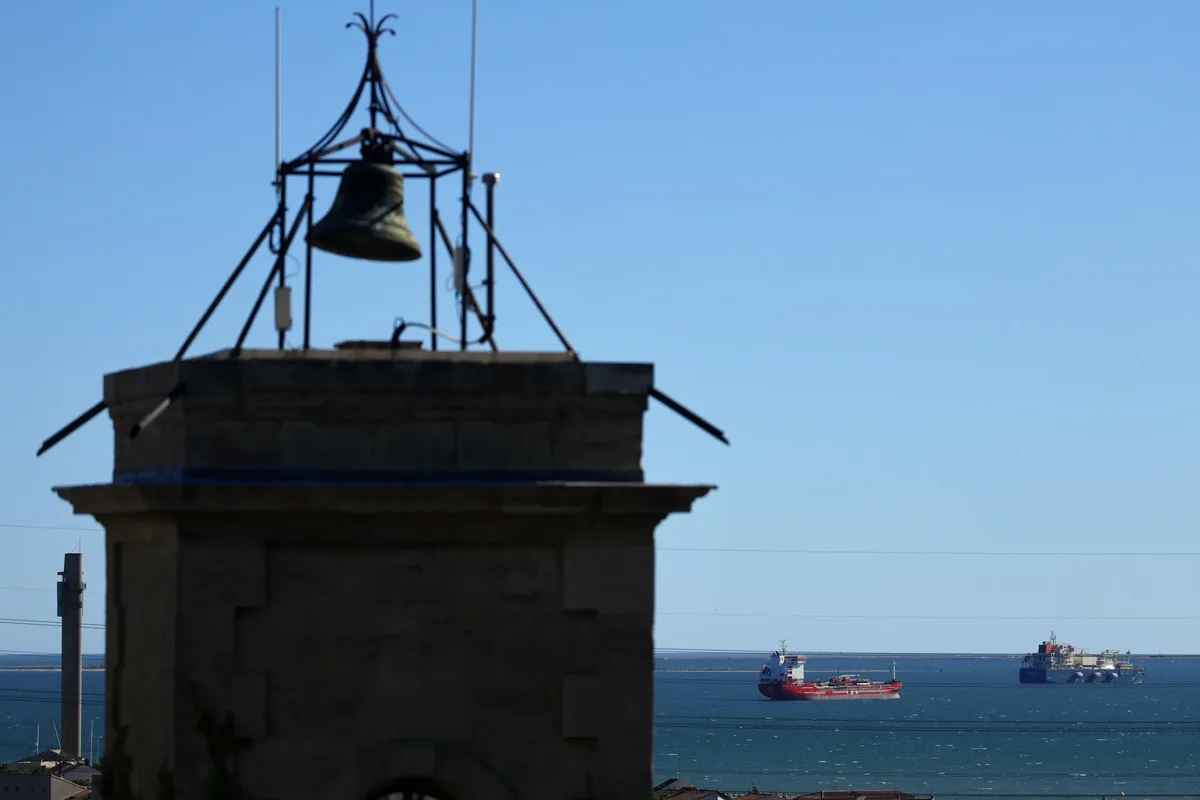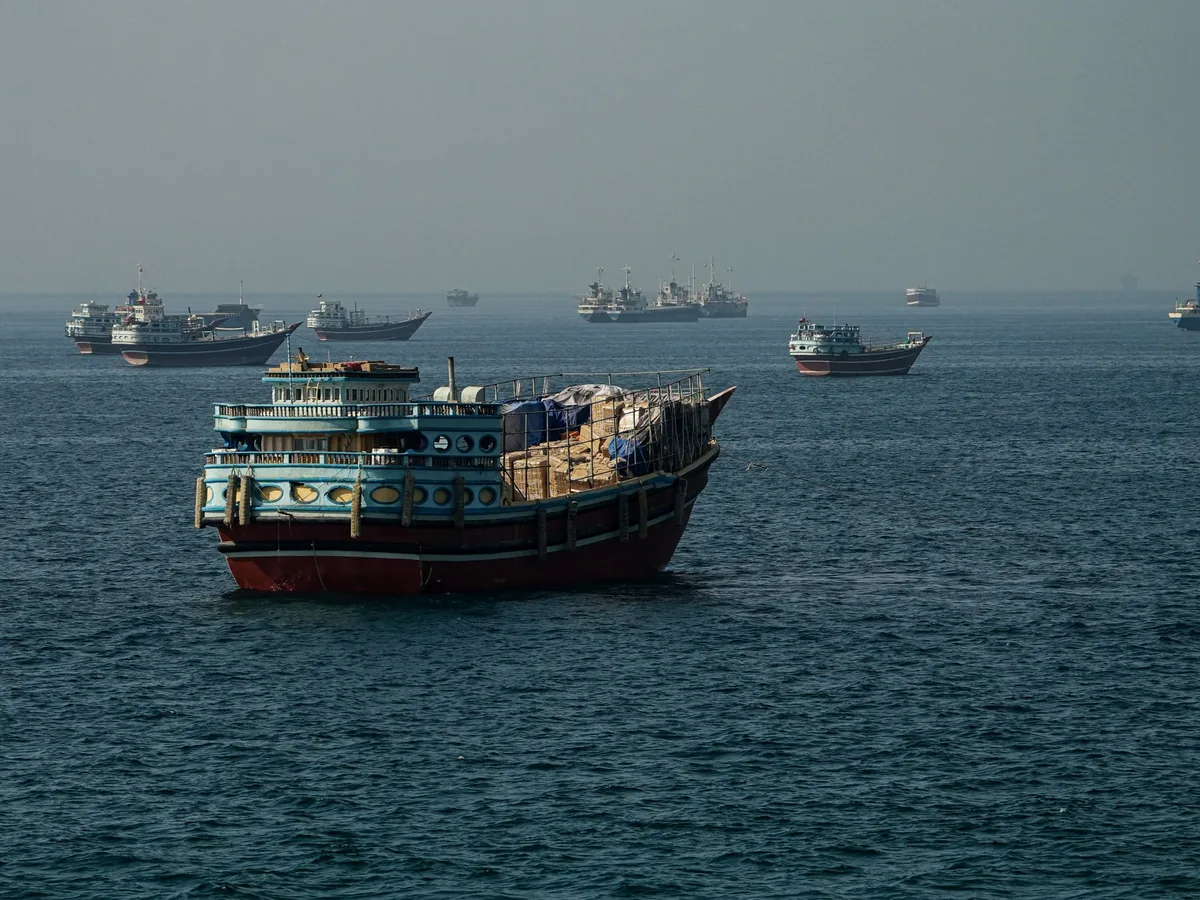
Iran’s crude oil exports dropped to their lowest level in at least six years in May 2026 following a US naval blockade on Iranian ports that started April 13, 2026 [1, 2]. The blockade aimed to pressure Iran on peace deal terms under President Donald Trump, but Tehran condemned the effort as illegal piracy [1].
Before the blockade, Iran exported close to 2 million barrels per day of crude oil and condensate. By May, exports fell sharply to below 300,000 barrels per day, representing a drastic decline in supply, particularly affecting China, Iran’s largest oil customer [1].
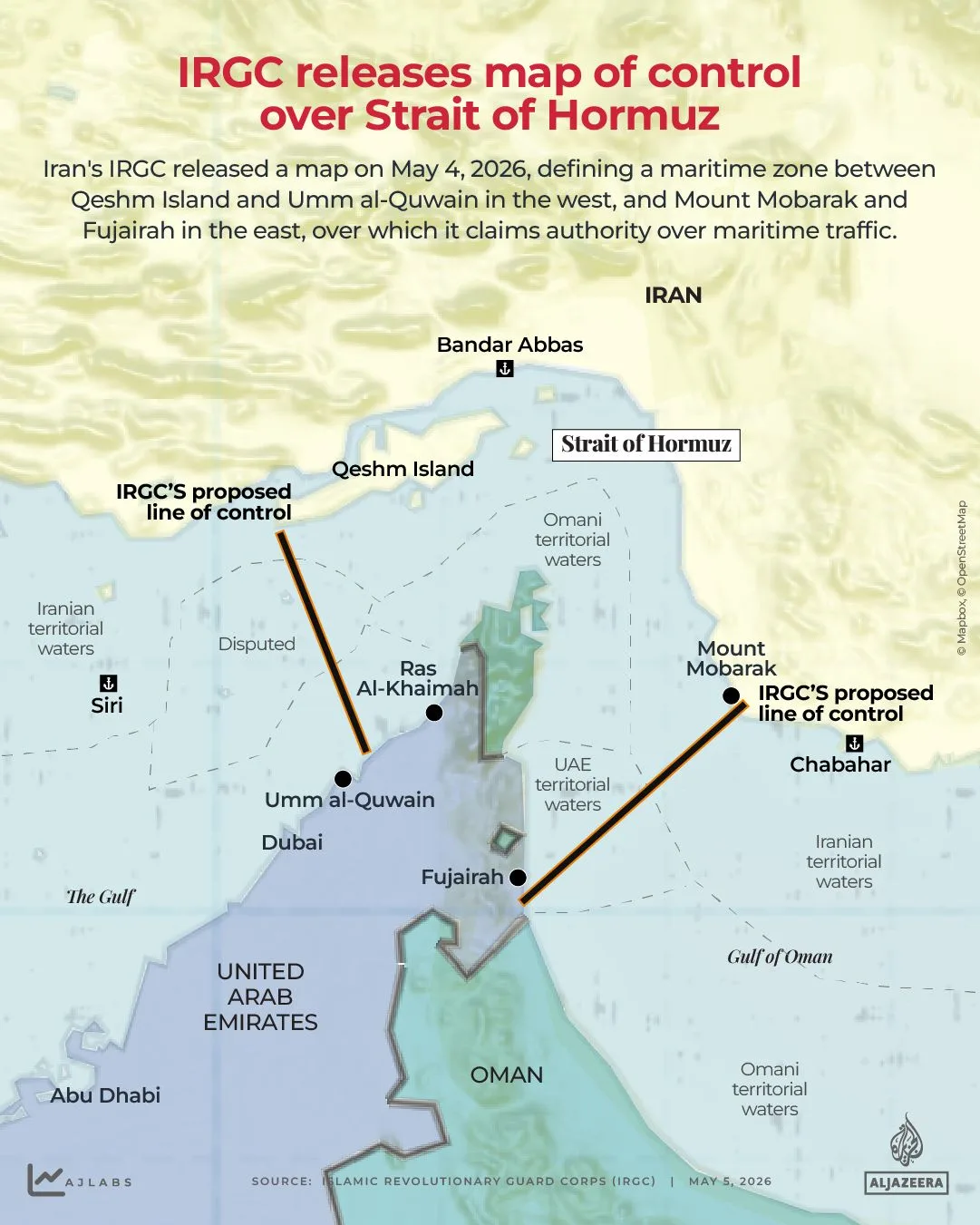
Earlier in the year, Iran had closed the strategic Strait of Hormuz on February 28 to ships from most countries following US-Israeli attacks, briefly disrupting Gulf oil exports [1]. However, Iran managed to maintain strong exports throughout March and part of April before the blockade fully took effect.
Oil market reactions followed the shifts in supply. On June 5, 2026, Brent crude settled at US$93.09 per barrel, down 2%, while WTI crude fell 2.7% to US$90.54 per barrel amid growing hopes for de-escalation in US-Iran tensions [2]. Senior analyst Phil Flynn of Price Futures Group said, "The market is not seeing escalation between the parties" [2].
The naval blockade remains in place as diplomatic efforts continue, with no immediate indication of when it will end [1].