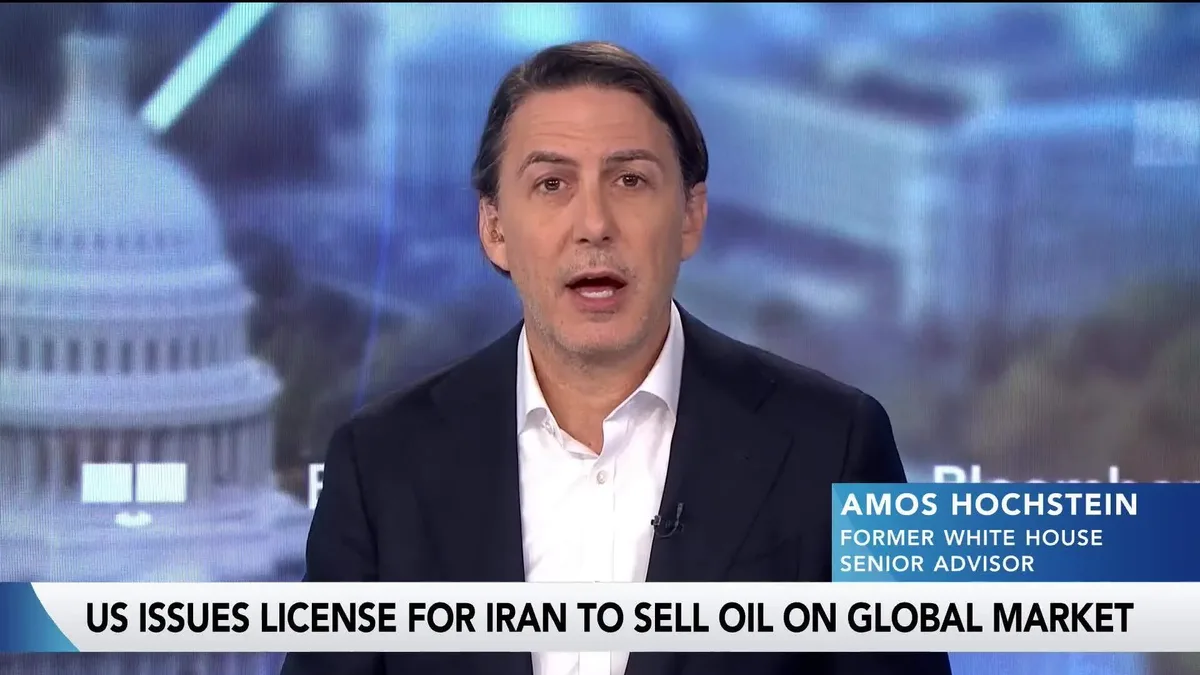
On June 22, 2026, the US Treasury Department issued a 60-day general licence allowing Iran to produce, deliver, and sell crude oil and petrochemical products internationally until August 21, 2026 [1, 2, 3, 4, 5, 6]. The licence includes waivers for banking transactions, insurance, and transportation, and permits payment in US dollar-denominated funds [2, 3]. Trade with countries such as North Korea, Cuba, and Crimea remains excluded from the waiver [2, 3].
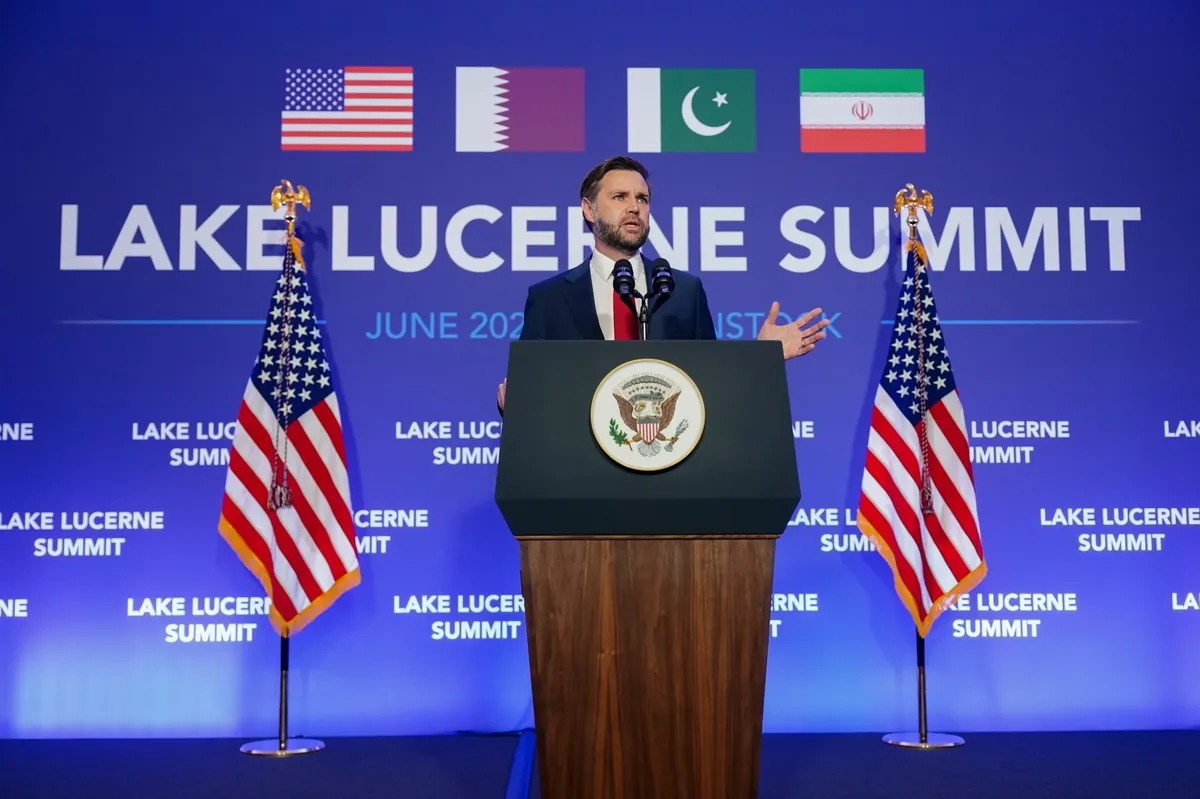
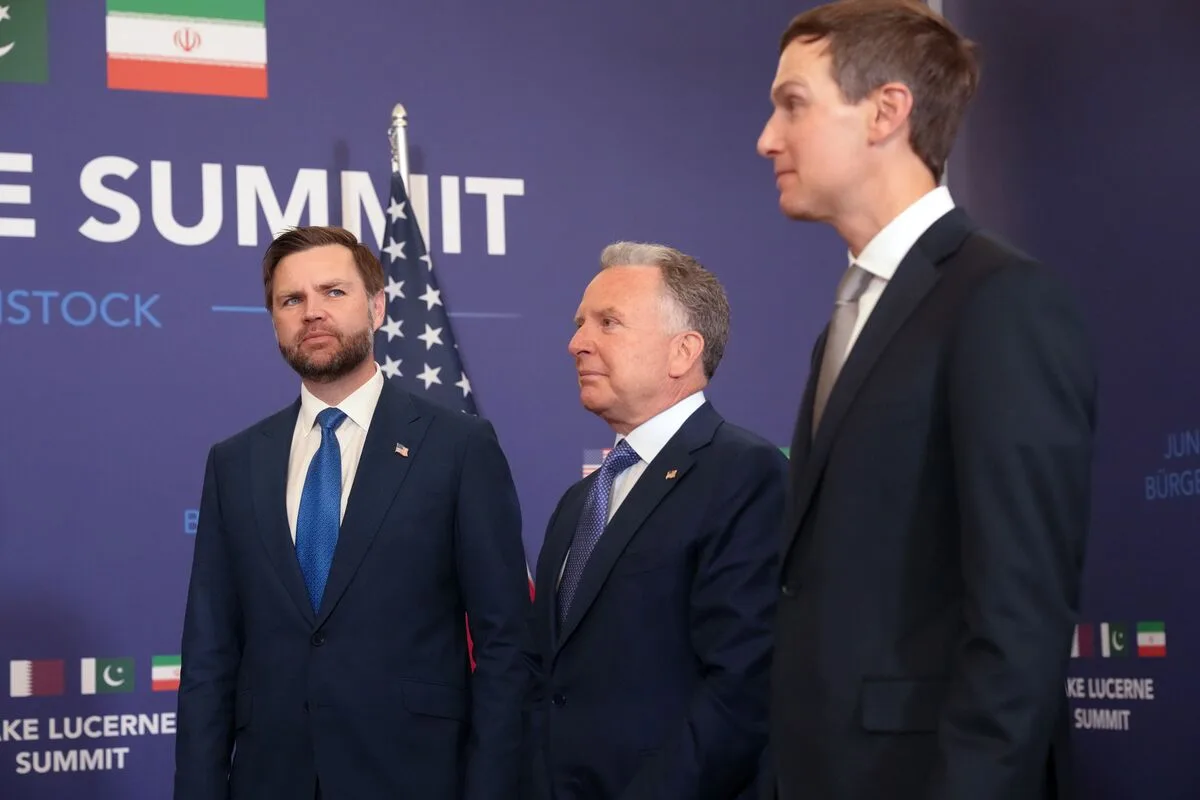
The licence came amid resumed peace talks between the US and Iran held in Switzerland starting June 21, following a June 17 Memorandum of Understanding on conflict halt and sanctions relief [1, 5, 6, 7]. US Vice President JD Vance described the initial round of negotiations as "very very good" and said Iran agreed to allow International Atomic Energy Agency (IAEA) nuclear inspectors back into the country [1, 8, 5]. President Donald Trump also asserted Iran consented to expanded nuclear inspections [6]. However, Iranian officials denied making any new commitments on nuclear inspections or reopening facilities, with Foreign Ministry spokesman Ismail Baghaei stating the talks "did not address the nuclear issue" and Iran made no "new promises" [1, 9, 5, 6].
As part of the deal, both countries committed to maintaining free and open transit through the Strait of Hormuz, establishing a coordination mechanism with a hotline and center to address related tensions [2, 3, 5, 6]. Iran, however, maintains sovereignty claims over the strait and said it will not revert to its pre-war status [5, 6]. Iran is also pushing to charge fees for shipping passage, a position opposed by the US [5].
The US agreed to unfreeze approximately $12 billion of Iranian assets, intended for non-military purchases like US goods and supervised by US and Qatar authorities, according to US officials including Vice President Vance [5, 10, 6]. Iran rejected external control over these funds, with its UN representative insisting Iran alone will decide how to dispose of the assets [10, 6].
The sanction waiver triggered a drop in global oil prices, with July WTI crude falling to about $74 per barrel and August Brent crude to around $78 per barrel [11, 9, 8]. Iran’s oil exports had plunged to roughly 64,000 barrels per day under a US naval blockade but are expected to rebound sharply under the new licence [7].
Fighting and Israeli military actions continue in Lebanon despite an agreed conflict elimination mechanism reached alongside the ceasefire extension in the ongoing talks [5, 6].
Negotiations remained ongoing as of June 23, with US and Iranian officials continuing technical discussions in Switzerland [5]. The 60-day oil export licence is set to expire August 21, 2026 [2, 3, 4, 6].