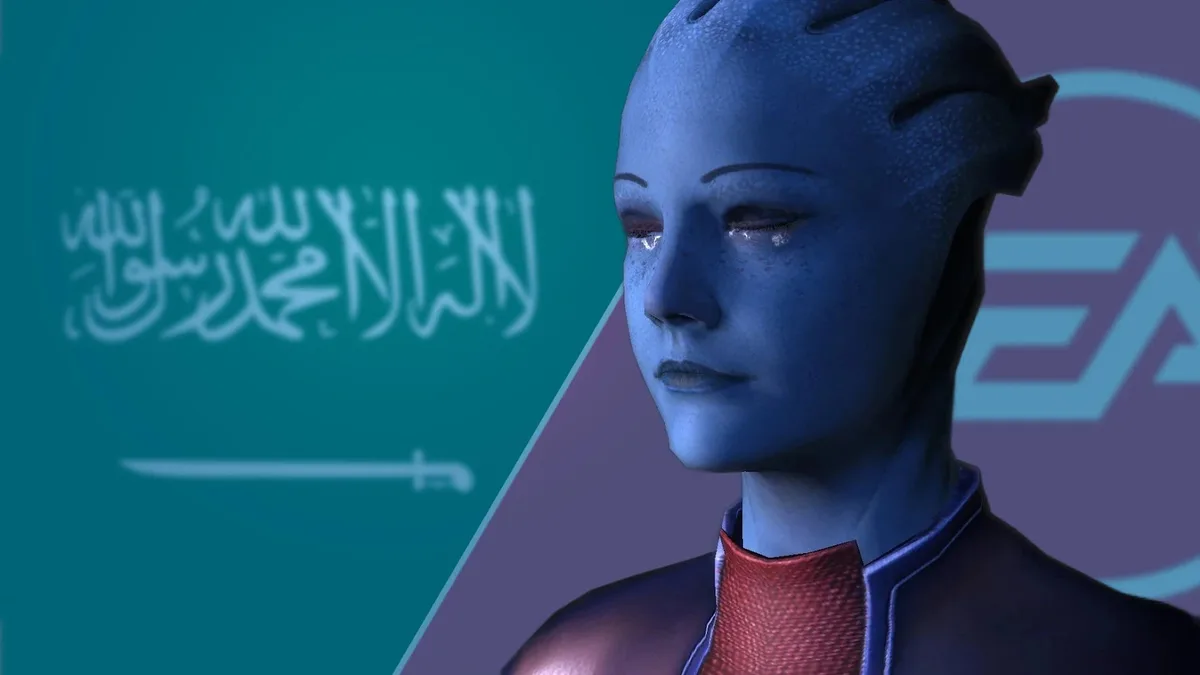
Electronic Arts completed a leveraged buyout valued at $55 billion in August 2026, with Saudi Arabia's Public Investment Fund (PIF), Jared Kushner's Affinity Partners, and Silver Lake as primary backers [1, 2, 3]. The deal saddled EA with $20 billion in debt, pushing the new owners to focus on financially reliable franchises such as EA Sports FC, Madden, and Battlefield shooters [1].
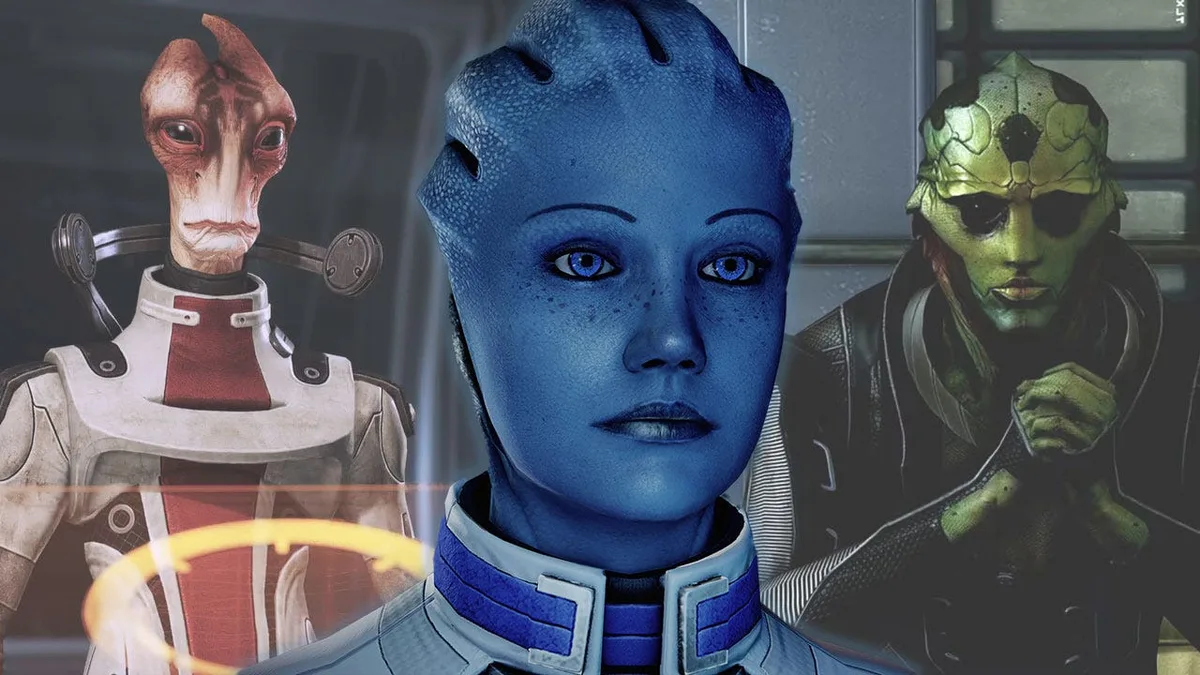
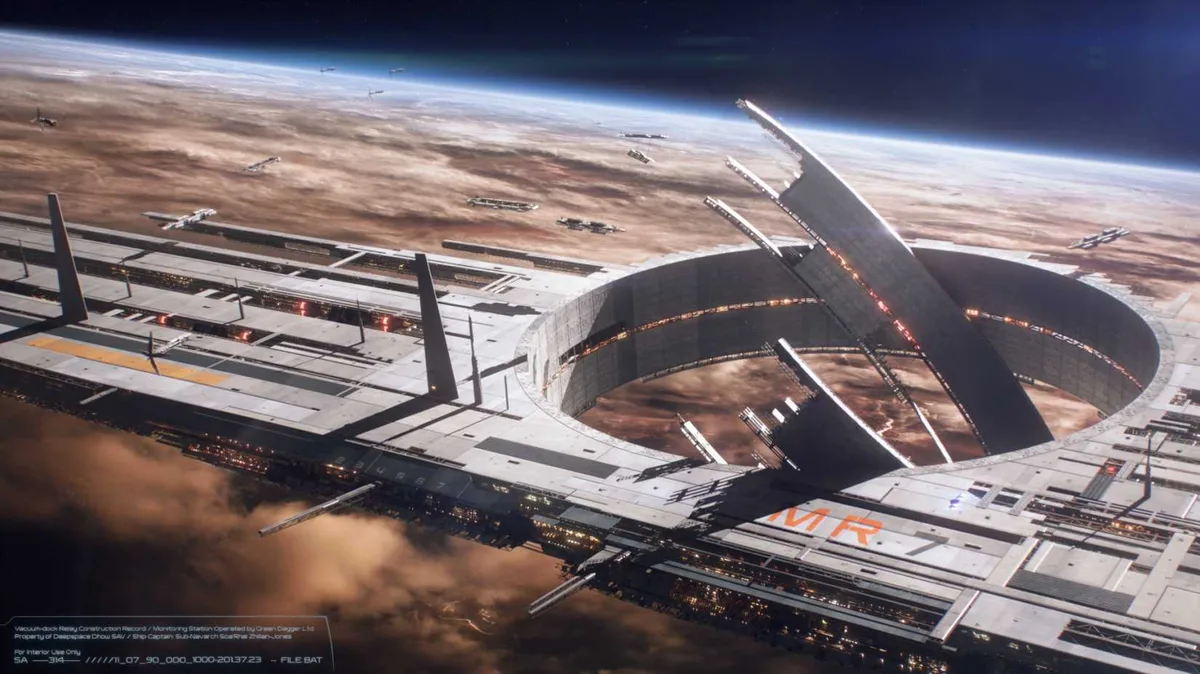
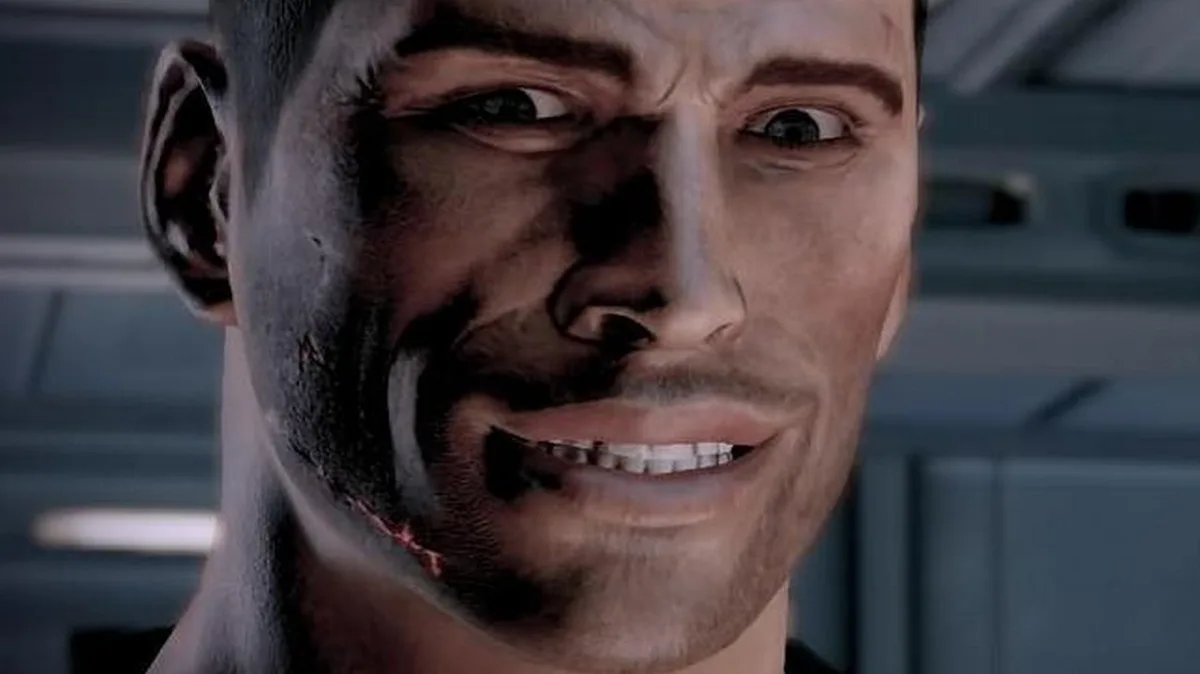
BioWare, a long-standing EA studio known for the Mass Effect and Dragon Age series, has faced challenges in recent years. Releases like Anthem and Dragon Age: The Veilguard underperformed, and its brand has struggled commercially and critically [1, 3]. The next Mass Effect game is officially in early development but has no announced release window and may face risks of cancellation under the new ownership [1, 2, 3].
Former EA senior manager Emmanuel Rosier voiced skepticism about BioWare's future, noting, "They've been struggling as a studio, as a brand," and questioned if continued funding would materialize. He added, "I will believe it when I see it, the next Mass Effect game," referring to the long development cycles that sometimes stretch out for years [1, 2].
BioWare veteran Mark Darrah also voiced concerns that EA might divest studios or IPs that have performed poorly or don't align with the new owners' priorities. Darrah said, "EA might sell off studios that have struggled in the last few years, haven't been very profitable, haven't shipped a game in a while, or make the kind of games that this new company isn't interested in making any more" [1].
Despite the uncertainty, BioWare reaffirmed commitment to Mass Effect and announced the game was in development last November 2025 [2]. However, given the heavy debt load on EA and the new owners’ emphasis on more lucrative franchises, the future of Mass Effect and BioWare remains unclear.
Industry observers will watch closely for any formal release announcements or changes in studio structure in the months ahead as EA adapts to its new ownership and financial pressures [1, 2, 3].