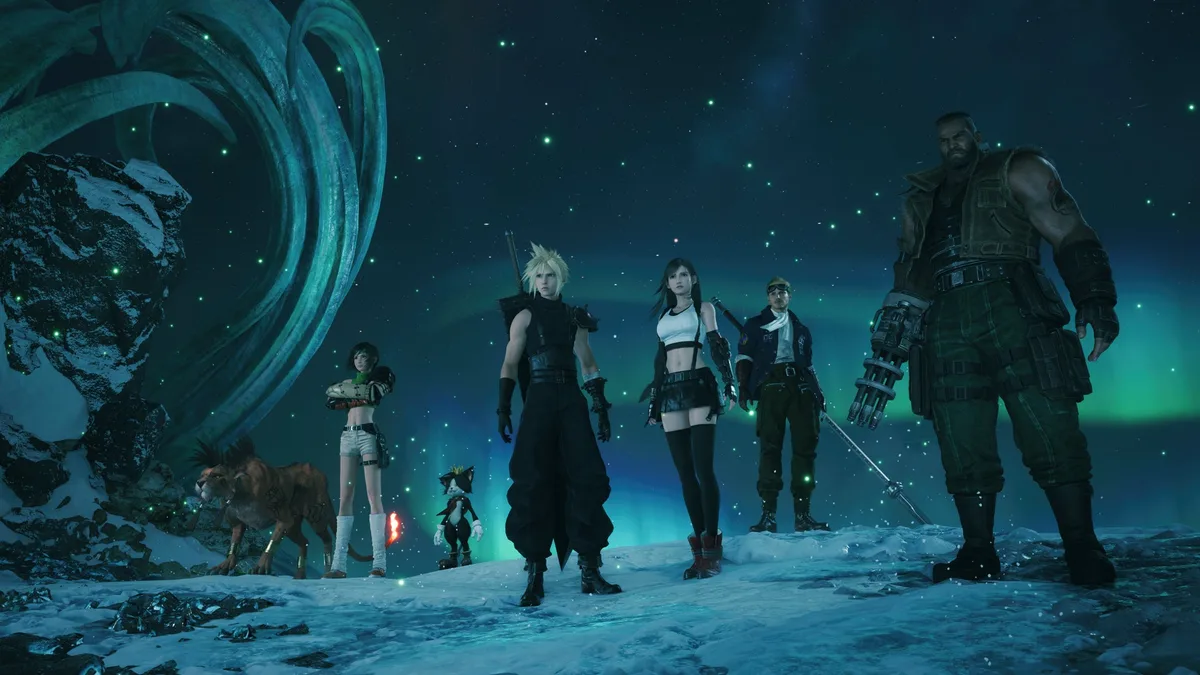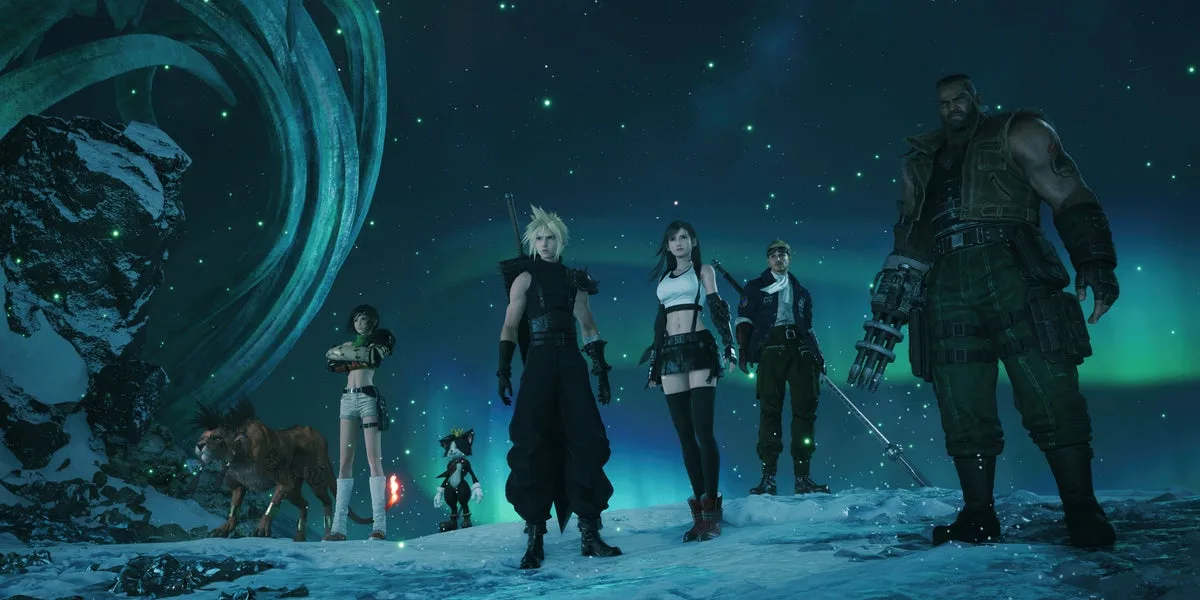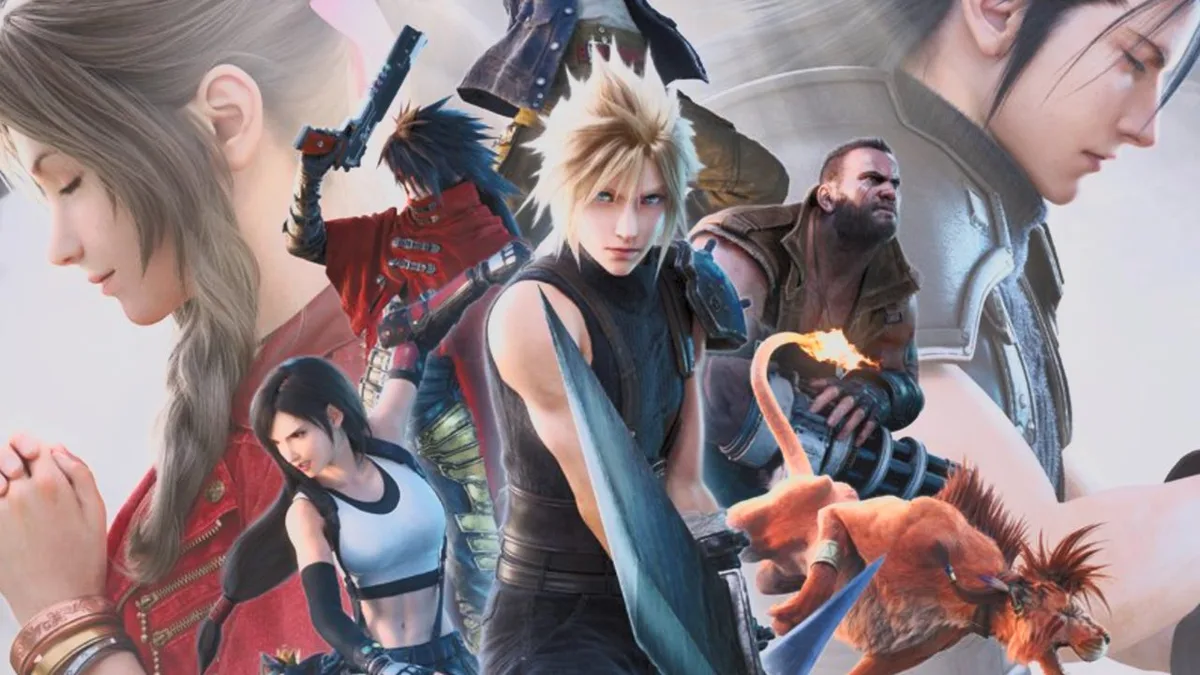
Final Fantasy 7 Revelation, set for release in 2026, is the last entry in the Final Fantasy 7 Remake trilogy [1, 2].
Players will make choices throughout the game that affect some story moments and the lead-up to the final battle [1, 2]. However, the game will have one singular ending for all players regardless of decisions made [1, 2].
Naoki Hamaguchi, the game's director, said the team aimed to provide unique experiences for each player without creating multiple endings. He explained, "Our heroes, Cloud and his companions, are beloved by a lot of fans around the world. But when we thought about that, we didn't want to just kind of deliver a singular storytelling experience for every single player around the world. We wanted each player – each fan – to have a unique experience as they head on to the final battle" [1].
Hamaguchi further added, "There won't be multiple endings that would change depending on the players' choices, but the process of how we get there to that singular ending might be a bit different between the players based on the choices that they make throughout the game. That might mean that some players might have a different emotion as they get to the story ending, so that's kind of the difference that they might have" [2].
The story's theme focuses on "resolve," and the final chapter is designed to feel personal for both players and characters [1, 2].
Final Fantasy 7 Revelation follows Final Fantasy 7 Rebirth, the trilogy’s second installment, continuing the story from the previous game [2].
The Final Fantasy 7 Remake project was announced by Square Enix in June 2015. The first game in the series launched in 2020, followed by the second part, Final Fantasy 7 Rebirth [1].
Hamaguchi noted that the story's final moments will draw close attention from fans, many of whom are curious or concerned about the conclusion [1, 2]. The release this year marks the conclusion of the remake trilogy.