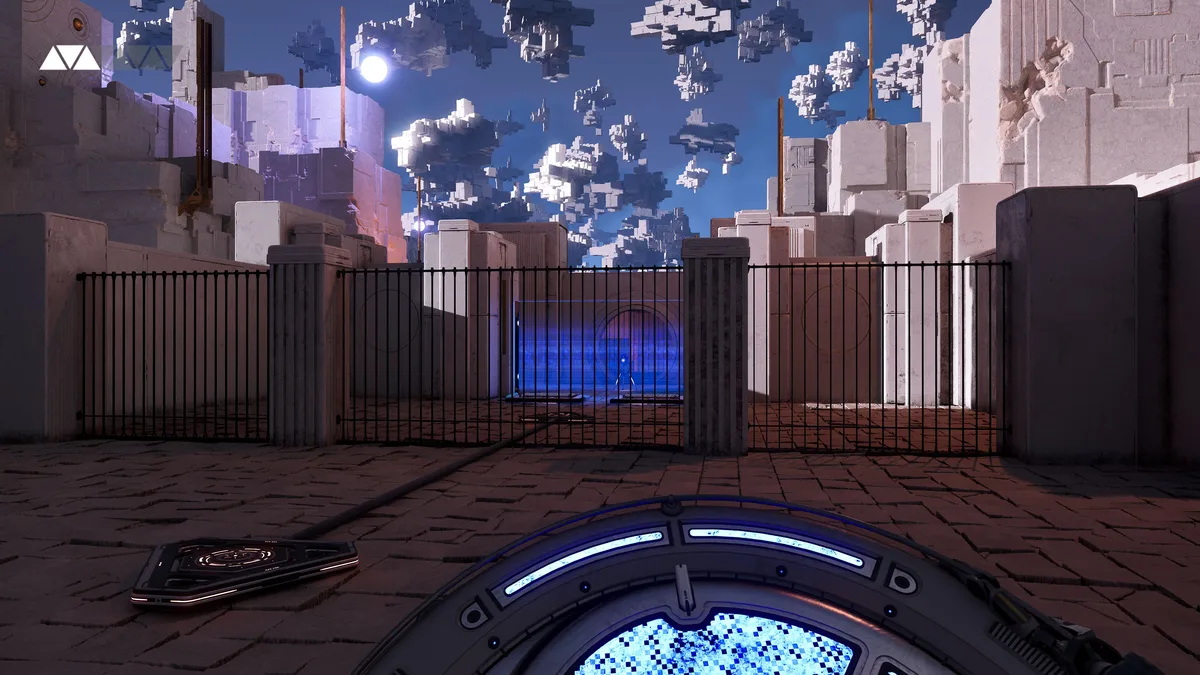
Michal (Michael) Kamm, developer of the indie puzzle game Ouros, accused Hoyoverse of copying significant gameplay mechanics and design elements in a minigame within Zenless Zone Zero. Kamm detailed how both games involve manipulating a track to guide a moving ball to hit numbered targets, portals that teleport the ball back to start points, a button to reverse the ball’s direction, and a hint system that reveals the intended track shape [1, 2].
Ouros was originally released in 2024, while the contested minigame appeared during a limited-time event in Zenless Zone Zero in 2025 [1, 2]. Kamm publicly raised his allegations in a May 2026 video posted on Bluesky and other social platforms, prompted by recent claims that he himself had copied Zenless Zone Zero instead. Addressing the issue, Kamm said, "Because MiHoYo is an established billion-dollar company, and Ouros isn't well known, I can see why people would assume that I copied them. But still, it's frustrating to have your work cloned and then credited to somebody else" [2].
Hoyoverse, the publisher behind billion-dollar gacha titles like Genshin Impact and Zenless Zone Zero, has faced previous accusations of copying indie game elements. Around July 2026, other indie developers alleged Hoyoverse copied elements from their games in the Genshin Impact and Map Map titles [1].
There is ongoing debate on social media about whether Ouros itself might be inspired by the 2023 game Primo. Kamm counters this by stating Primo resembles his own 2020 Ludum Dare project, Splines 'n Shapes, indicating a longer development timeline for his ideas [2].
The earliest known events include the 2024 release of Ouros, followed by the 2025 introduction of the Zenless Zone Zero puzzle minigame, and Kamm's May 27, 2026 video accusation. The controversy remains active as of today, August 17, 2026, with no public response yet from Hoyoverse.