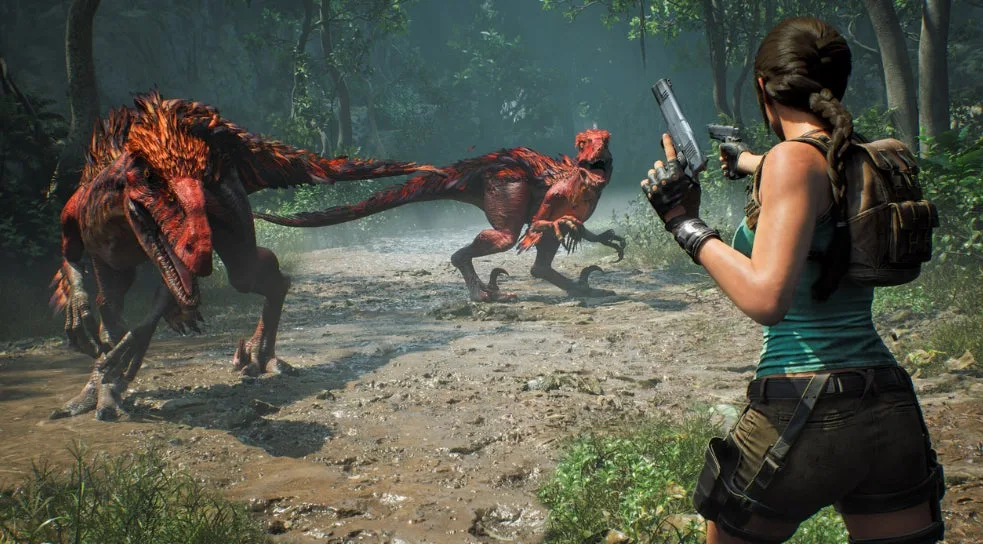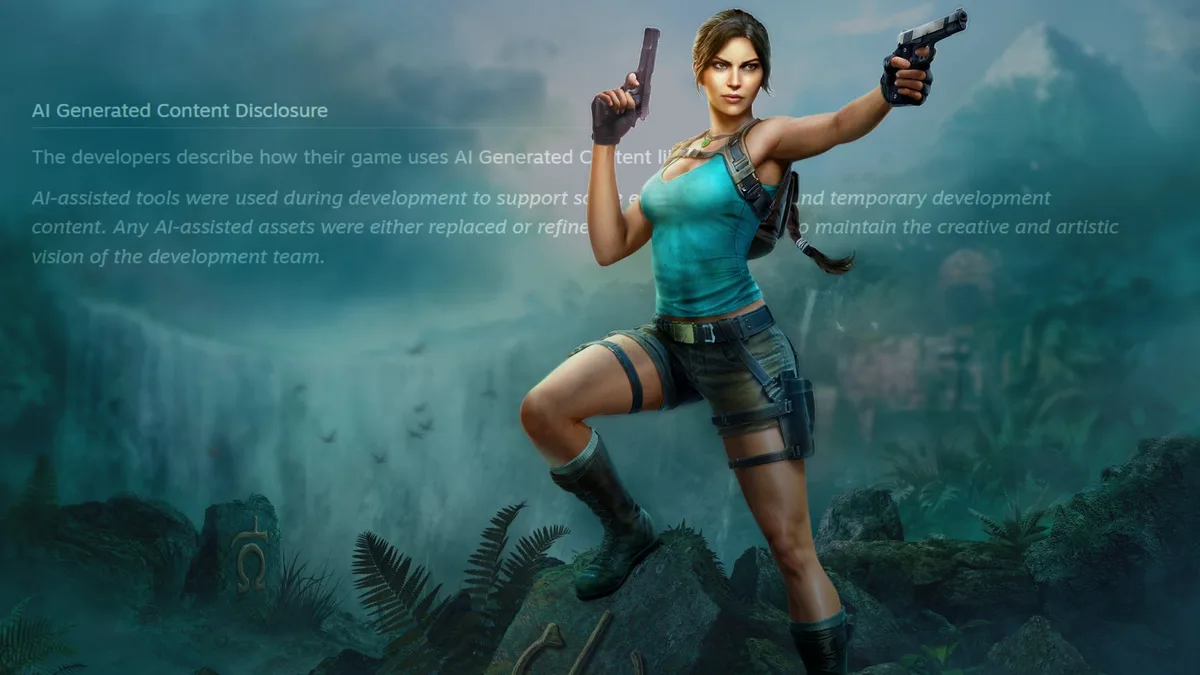
Crystal Dynamics showcased a new trailer for Tomb Raider: Legacy of Atlantis during the PlayStation State of Play event on August 23, 2026, revealing that AI-assisted tools were used during the game's early development phases [1, 2]. The remake follows Lara Croft's search for the Scion of Atlantis, featuring new adversaries and puzzles beyond the original game [1].
The game's Steam page includes an AI Generated Content Disclosure stating that AI-assisted tools supported early exploration and temporary content creation, but all AI-assisted assets were either replaced or refined by humans to preserve the creative and artistic vision of the development team, according to the disclaimer [1]. Despite some fans' previous backlash over suspected AI use in earlier Tomb Raider remasters—such as voice alterations and costume design issues—Crystal Dynamics affirmed that their current project ensures human refinement at every stage [2]. Aspyr, responsible for those remasters, previously apologized for costumes that fans believed incorporated generative AI but said their artists fully created the costumes [2].
Crystal Dynamics' parent company, Embracer Group, described generative AI as a "powerful technology for driving efficiency," reflecting the industry's growing adoption amid restructuring and layoffs. The studio has seen four layoffs in the past two years, coinciding with Embracer's abandoned $2 billion acquisition deal with Savvy Games Group in 2023 and other corporate changes [2].
Views on disclosing AI usage vary across the industry. Epic Games CEO Tim Sweeney said in November 2025 that tagging AI use in games is unnecessary because AI will be ubiquitous in production, unlike rights-sensitive art exhibits or digital content marketplaces. He stated, "It makes no sense for game stores, where AI will be involved in nearly all future production" [1]. Meanwhile, figures like The Witcher 3 director Konrad Tomaszkiewicz and actress Ashly Burch have voiced concerns that AI-produced games might lack soul but recognize constructive AI applications [1].
Tomb Raider: Legacy of Atlantis marks one of the latest high-profile titles disclosing AI-assisted development while committing to human creative control in final assets [1, 2]. The game’s release date has not been announced, but momentum from the recent trailer and transparency about development methods signals ongoing progress toward launch.