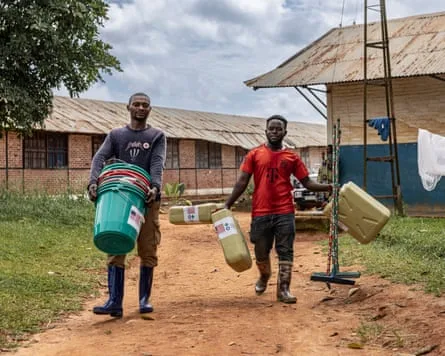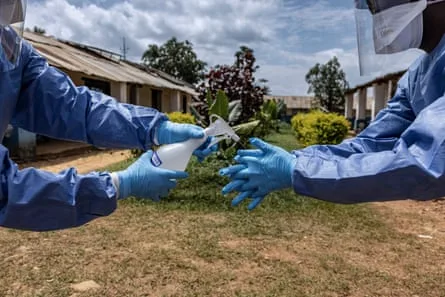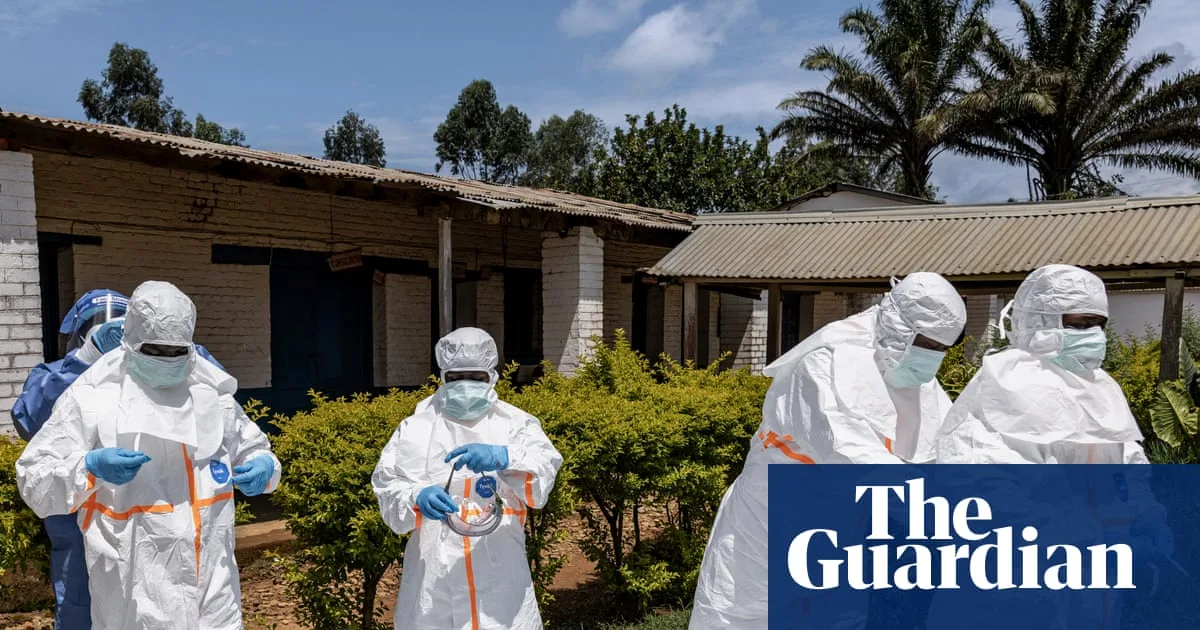
The Democratic Republic of the Congo (DRC) is grappling with its 17th Ebola outbreak since April 24, 2026, which began in the Ituri province and has rapidly accelerated [1]. Nearly 750 suspected Ebola cases and 177 suspected deaths have been reported since the outbreak's onset [1].
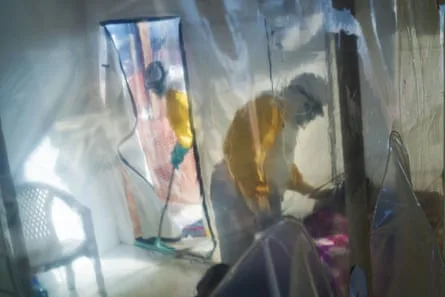
The virus, transmitted through contact with body fluids or contaminated items, carries a mortality rate estimated between 25% and 90% [1]. Healthcare facilities are overwhelmed, with many lacking isolation wards for suspected patients. Médecins Sans Frontières emergency manager Trish Newport said, "Every health facility they called said: ‘We’re full of suspect cases. We don’t have any space.’ This gives you a vision of how crazy it is right now" [1].
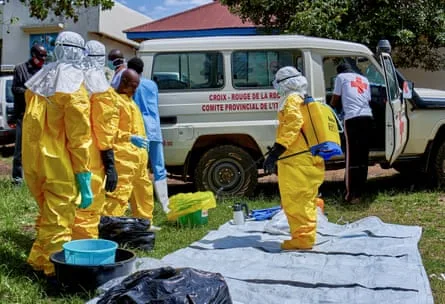
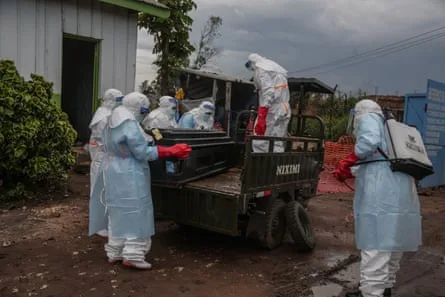
Local communities have shown resistance to health interventions and burial protocols. These protocols require trained teams in protective gear to handle bodies to prevent further virus transmission, which often conflicts with traditional customs where relatives touch or gather around the deceased [1, 2]. Gloire Idriss, a Rwampara resident, said, "Some people here believe that Ebola is a business. When healthcare providers refuse to hand over the bodies of those who have died from Ebola, people think they might be trafficking their organs" [2].
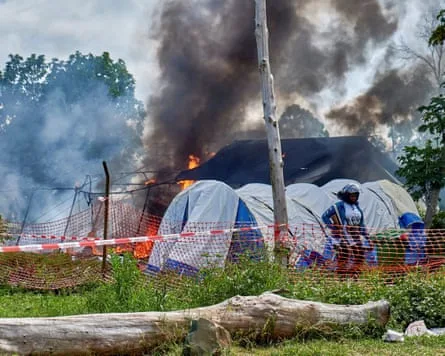
Violence against health workers has increased. On May 21, residents attacked the Rwampara health centre demanding the bodies of relatives who died from Ebola [2]. The next day, May 22, Ebola response tents at Mongbwalu hospital were set on fire after a patient died and was isolated according to protocols [2].
Congolese Health Minister Roger Kamba stressed the importance of safe burials, saying, "Let us bury the deceased safely. The dead must not take others with them into the grave" [2].
Aid efforts face challenges due to the remote, conflict-ridden area, a lack of approved treatments or vaccines, and shortfalls in international funding [1]. Mercy Corps DRC country director Rose Tchwenko said, "The speed at which this Ebola outbreak is spreading is deeply worrying. The risk of wider spread is real, and more regional and global support is urgently needed" [1]. ADerican Alima field coordinator Hama Amado added, "Everyone must mobilise. We are still far from saying that the situation is under control" [1].
The outbreak started when the first known victim died of Ebola in Bunia, Ituri province, on April 24, 2026 [1]. The escalation of community resistance and attacks on health facilities in May have complicated response efforts. The situation remains critical as health teams continue to battle transmission and community mistrust [1, 2].