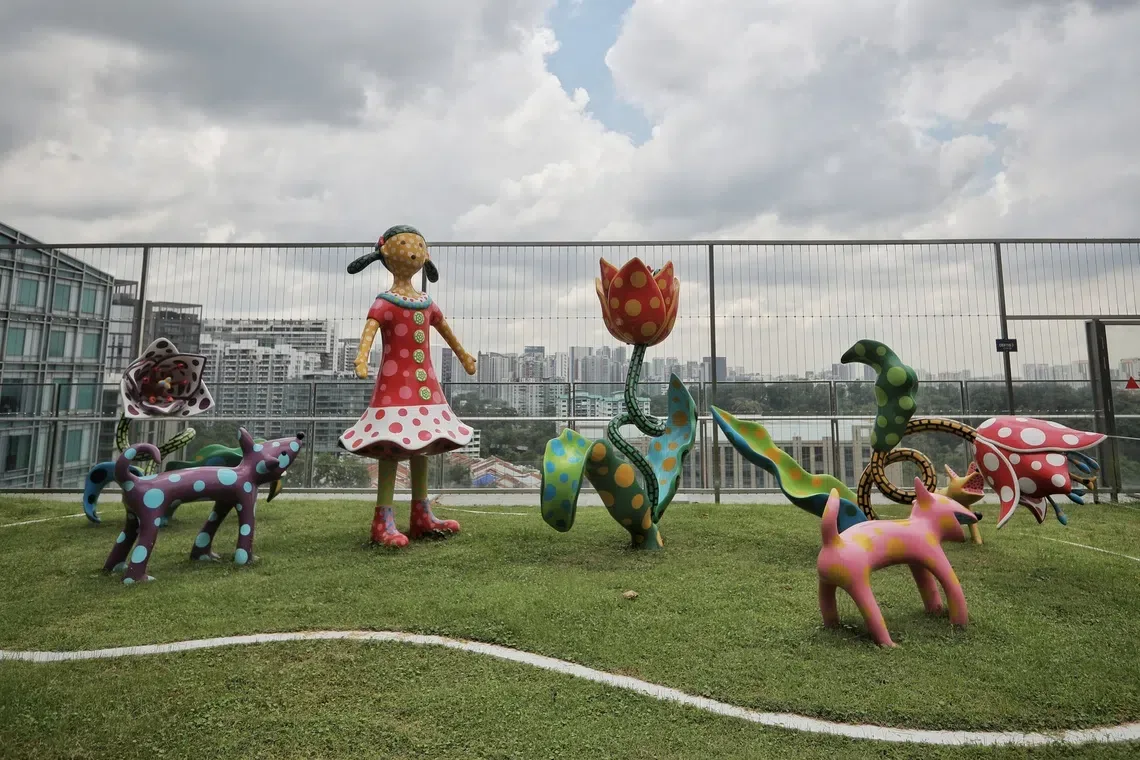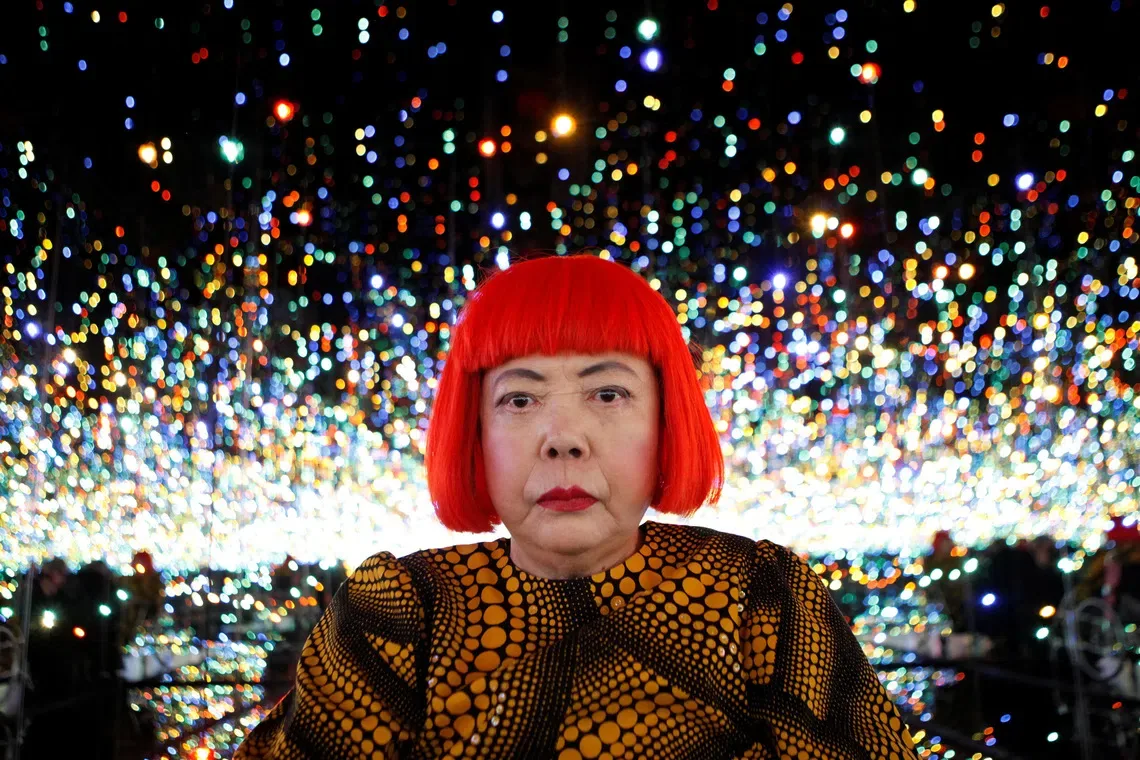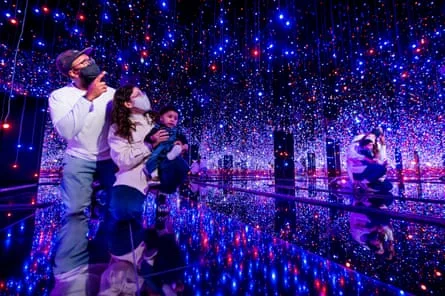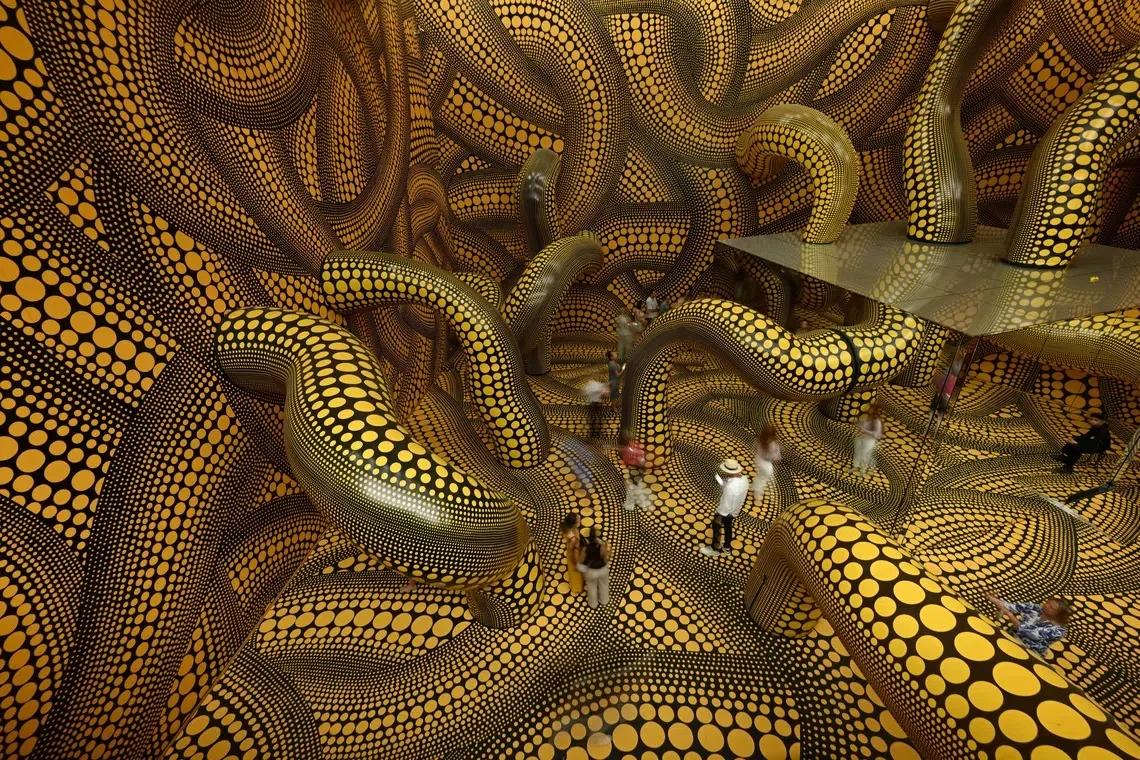
Yayoi Kusama, a Japanese avant-garde artist celebrated worldwide for her polka dots, pumpkin sculptures, and immersive Infinity Mirror Rooms, died of multiple organ failure on August 14, 2026, at a hospital in Tokyo at age 97 [1, 2, 3, 4, 5, 6].
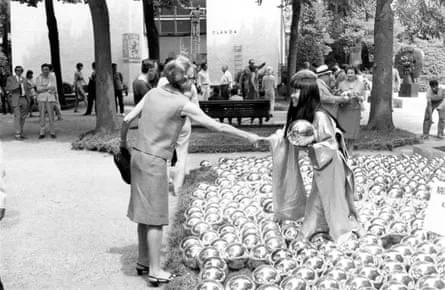
Born in 1929 in central Japan’s Matsumoto or Nagano prefecture, Kusama experienced hallucinations from childhood that inspired her signature polka dot motifs. "I still see hallucinations even now. Dots come flying everywhere – on my dress, the floor, things I’m carrying, throughout the house, the ceiling. And I paint them," she said [7, 3, 6, 8]. She studied traditional Japanese painting in Kyoto before moving to the United States in 1957, settling eventually in New York where she gained recognition for large paintings, soft sculptures, and 'infinity net' paintings, along with body painting protests against the Vietnam War [1, 2, 7, 4, 5, 6, 8].
Despite facing stigma and discrimination as a Japanese woman artist in the New York avant-garde scene, Kusama influenced many artists including Andy Warhol [7, 4, 8]. She returned to Japan in 1973 and voluntarily entered a Tokyo psychiatric hospital around 1977, where she lived and continued to create art until her death [7, 4, 5, 6, 8, 9]. Kusama opened the Yayoi Kusama Museum in Tokyo’s Shinjuku Ward in 2017, dedicated to her life’s work [1, 2, 3].
Known for her brightly colored wigs and flashy outfits covered with polka dot patterns, Kusama worked intensely up to her final days, exploring themes of eternal love and the soul. "Every day I am creating a new world by making artworks. I wake up early in the morning and stay up late at night, sometimes until 3 a.m., just to make art. I am fighting for my life and don't take any rest," she said [1, 7, 4, 5, 6, 9].
Her career spanned more than 60 years. Kusama received numerous awards, including Japan’s Order of the Rising Sun in 2006 and was named one of TIME’s 100 most influential people in 2016 [1, 2, 3, 6]. Her works achieved commercial success, with paintings auctioned for millions, including one selling for $10.5 million in 2022 [1, 6, 8].
Kusama’s legacy lives on through her museum, exhibitions worldwide, and her influence on contemporary art. The museum in Tokyo continues to display her works and remains open to the public [1, 2, 3].