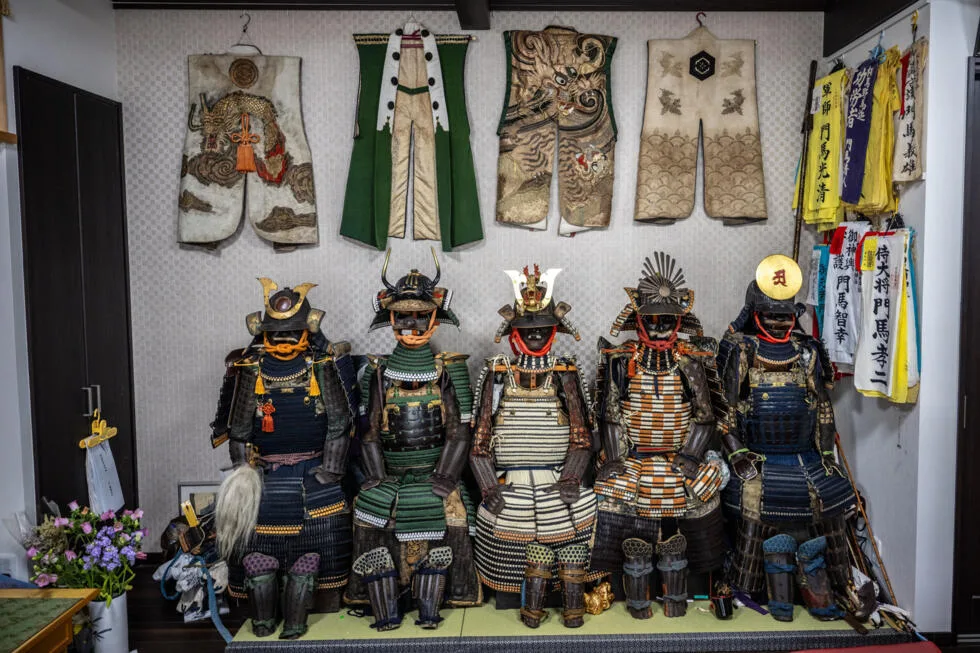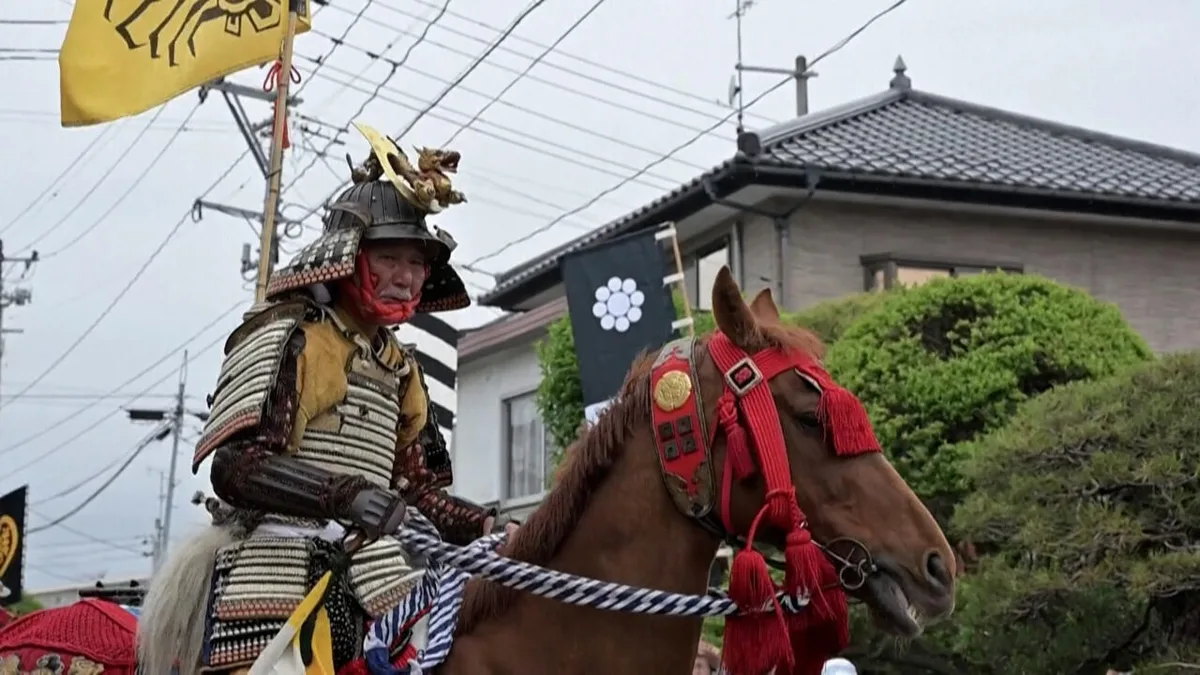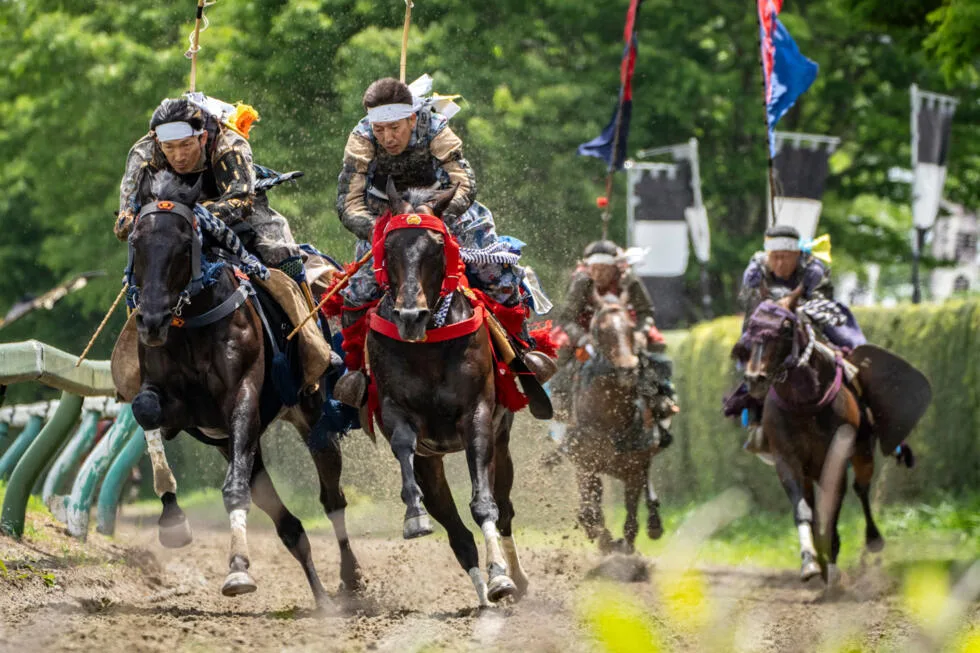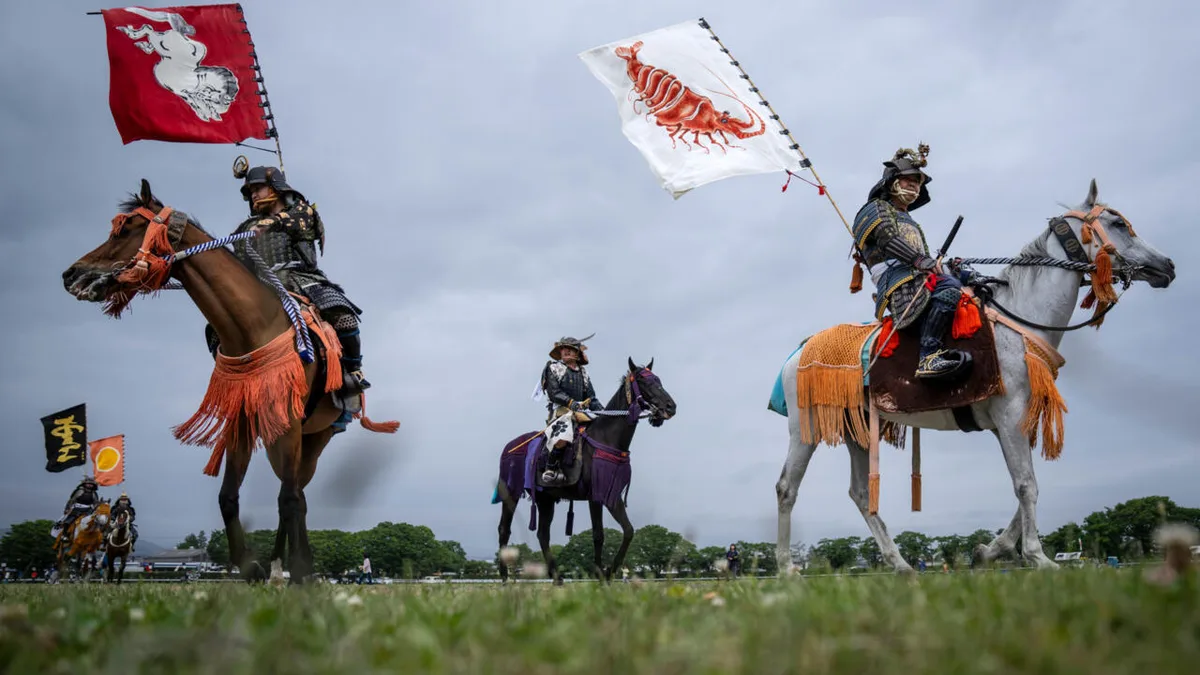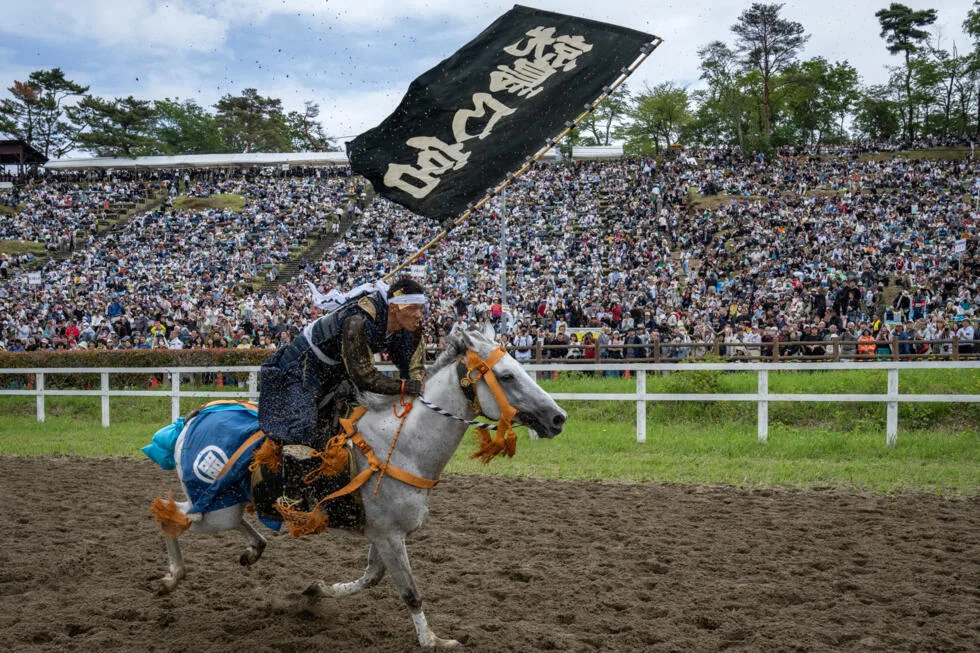
The Soma Nomaoi horse festival, held for over 1,000 years near Minamisoma, Japan, originally served as training for samurai mounted warriors and features horseback races, a flag-grabbing contest, and a ceremonial wild horse capture to honor the gods [1, 2, 3]. Until 2024, the festival was traditionally held in summer, but rising temperatures and frequent heatwaves caused riders, horses, and spectators to suffer heatstroke [1, 2, 3].
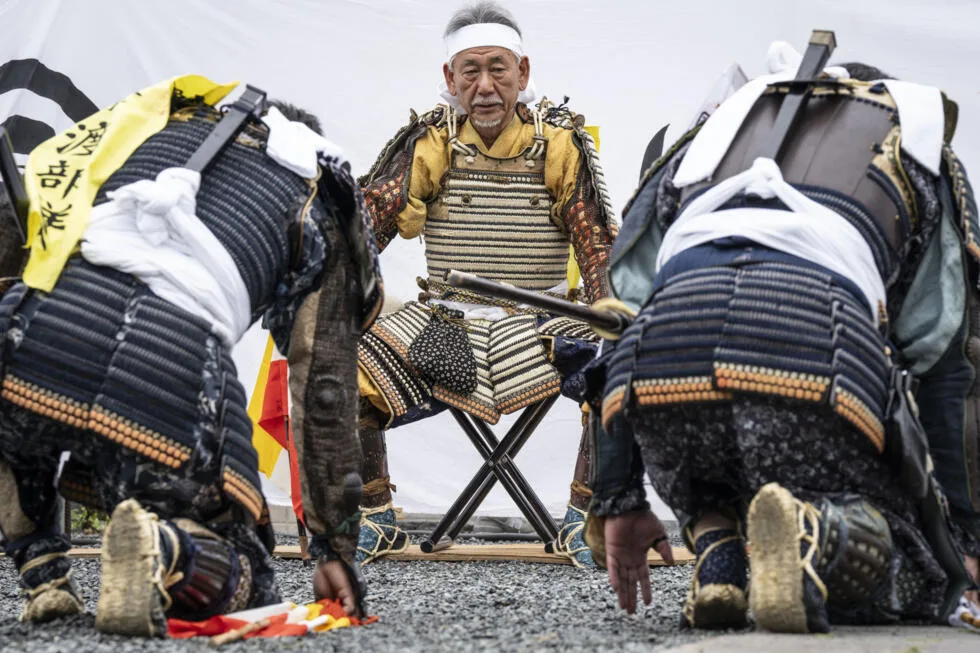
Japan’s summer of 2025 was the hottest on record since 1898, with numerous days reaching 40 degrees Celsius or higher—conditions the weather agency described as “cruelly hot” [1, 2, 3]. This extreme heat posed serious risks for participants who wear around 25 kilograms of samurai armor over kimonos, creating exhausting and dangerous conditions [1, 2, 3].
Mitsukiyo Monma, a 69-year-old participant with 54 years of experience, said moving the festival to late May, starting in 2025, helped reduce health risks and improve performance. He explained, “You have to wear a kimono under the armour, which is not like going out in just a T-shirt in the summer. Your clothes would be so soaked that you could wring out the sweat. When the festival moved to May, it was the first time I could drink hot coffee before going out” [2]. Monma added, “I feel like I've truly become a samurai. I feel more courageous, and on the day itself, my whole body and mind tighten” [3].
The festival’s events unfold on a grass field about 300 kilometers north of Tokyo. Riders race on horseback carrying giant flags and compete to seize flags from each other. The final day features a dramatic attempt to catch wild horses, which are then dedicated to the gods [1, 2, 3].
The Soma Nomaoi festival has survived wars, earthquakes, and a nuclear disaster in its long history [1, 2, 3]. Organisers expect to continue holding the event in late May to reduce heat-related health risks for participants and horses.
The festival’s next gathering will be in late May 2026, continuing the new schedule adopted to address climate change and soaring summer temperatures [1, 2, 3].