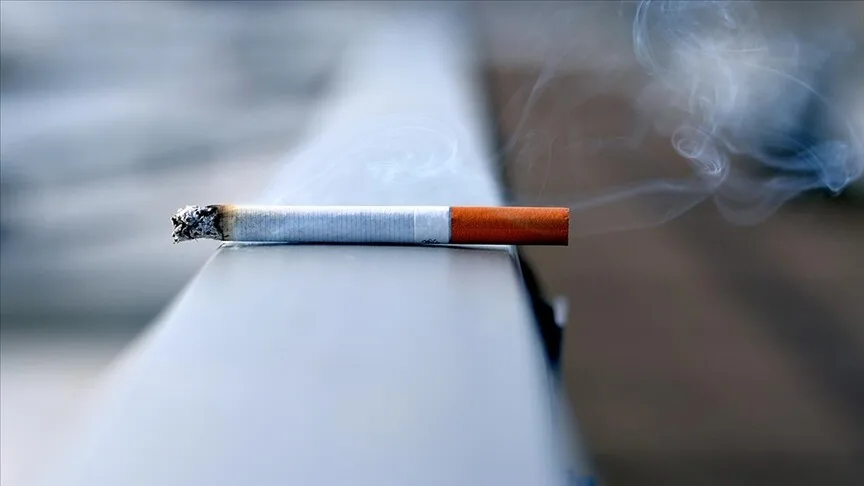
Sweden has officially become a smoke-free country after the proportion of daily smokers fell to 4.8 percent in 2025, below the government’s target of 5 percent, authorities announced on May 25, 2026 [1]. In the early 1980s, over 30 percent of Swedes smoked daily, showing a dramatic decline over four decades [2, 1].
The drop in smoking rates from over 30 percent in the 1980s to under 5 percent in 2025 marks one of the largest reductions seen globally [2, 1]. Experts attribute this steady decline since the late 1970s to broad preventative efforts, including restricting access to cigarettes, raising taxes, banning tobacco advertising, and providing support for smoking cessation [2]. The real-term price of cigarettes increased by 45 percent since 2003, making smoking more expensive and less accessible, which Mats Ramstedt, head of research at the Swedish Council for Information on Alcohol and Other Drugs, said was "the first and perhaps most vital point" in reducing smoking [2].
Ramstedt called the change "an incredible development that a harmful behaviour can be reduced to this extent" [2]. He noted that smoking rates had already dropped sharply before the rise in popularity of snus and nicotine pouches in recent years and suggested that these products were unlikely the main reason behind the decline. [2]
In 2003, the daily smoking rate was still at 16 percent, indicating that much of the reduction happened over the past two decades [2]. The consistent government policies and societal shifts have contributed to the dramatic change in smoking habits.
Sweden’s official recognition as smoke-free on May 25 marks the culmination of years of public health efforts to curb tobacco use. The country will continue monitoring smoking trends and maintain its tobacco control strategies to keep smoking levels low.