A letter signed by 137 Labour MPs, representing over a third of the party's 402 House of Commons members, called on the UK government to end trade with Israeli settlements in the occupied West Bank [1, 2]. The MPs criticized the proposed E1 settlement development, which involves building over 3,000 homes between Jerusalem and Ma’ale Adumim, saying it would split the West Bank into north and south and undermine the two-state solution [1, 2].
The letter said, "There is an urgent need for accountability and concrete consequences in response to Israel's violations against Palestinians in the occupied West Bank and East Jerusalem, which are spiralling by the day. We believe ending trade with settlements is a vital next step" [2]. Labour MP Melanie Ward added, "Banning settlement trade would send the clearest possible message to Israel that settlements can have no viable economic future and are rejected by the world. This is needed now more than ever" [1].
The UK Foreign Office and several Western countries are planning sanctions against companies involved in the E1 settlement project [1]. Under Prime Minister Keir Starmer, the UK paused free trade talks with Israel, suspended some arms export licenses, and sanctioned far-right Israeli cabinet ministers Itamar Ben-Gvir and Bezalel Smotrich, balancing longstanding alliances with pressure from within the Labour Party to take a firmer stance on Israeli policies toward Palestinians [2].
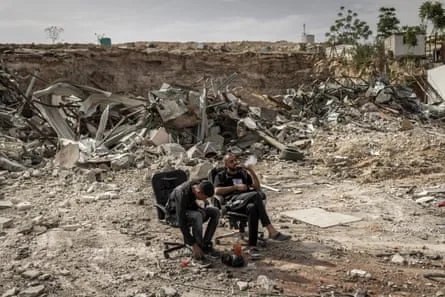
Since the Gaza war began in October 2023, Israeli settler violence against Palestinians in the West Bank has surged [2]. The UN condemned an Israeli order to displace the Bedouin community of Khan al-Ahmar, calling the move illegal and a war crime [1]. The MPs’ letter highlighted Khan al-Ahmar's struggle against state-backed settler violence, framing it as part of Israel’s E1 plan to bisect the West Bank [1].
Spain banned imports from Israeli settlements in 2025, and Ireland and the Netherlands are now considering similar bans [2]. The E1 tender opened in early June 2026, shortly before the MPs’ letter was delivered, signaling rapid progress on the settlement despite growing international opposition [1, 2].
The next significant developments are expected as the UK government responds to the MPs’ appeal amid broader Western sanction plans against entities facilitating the E1 project.