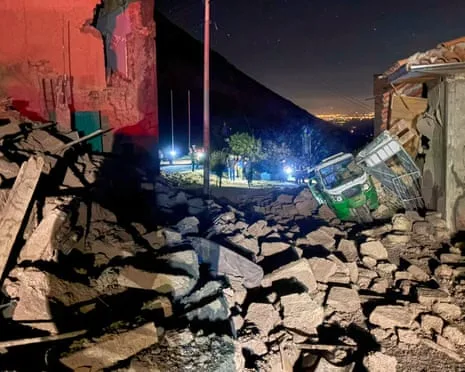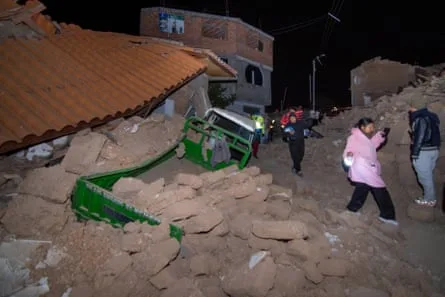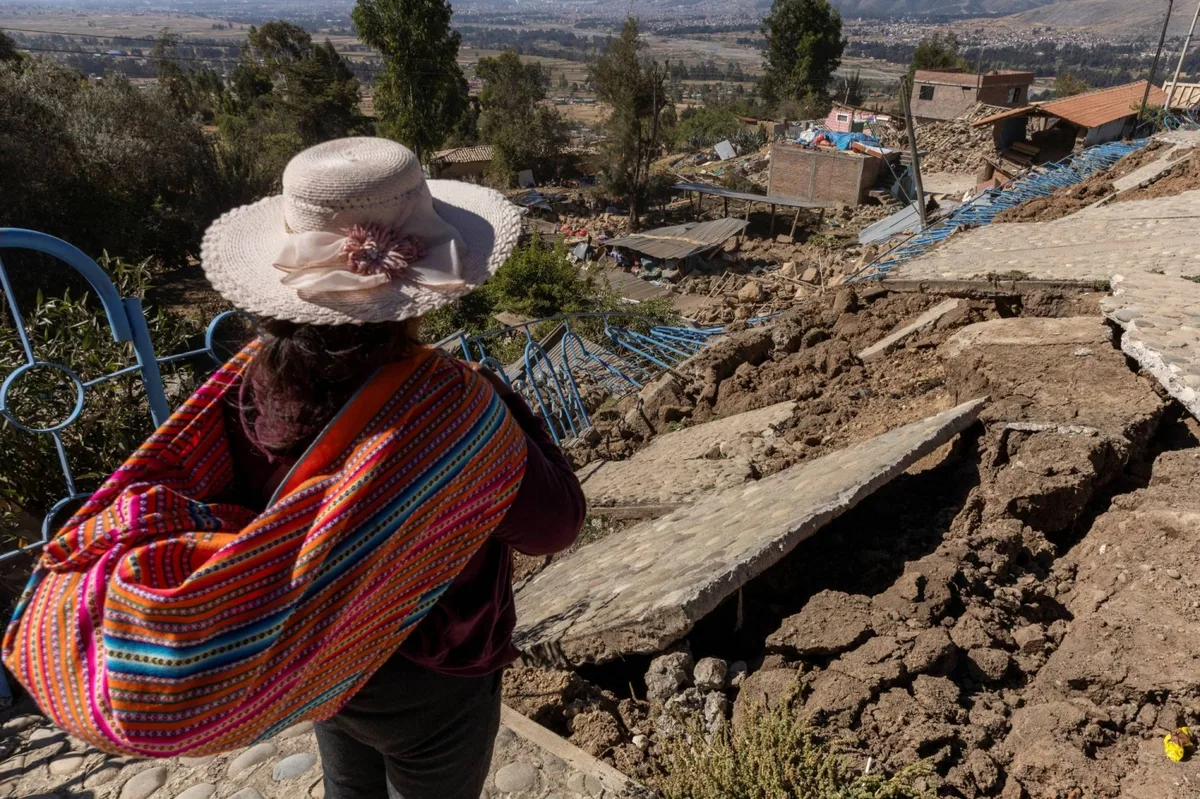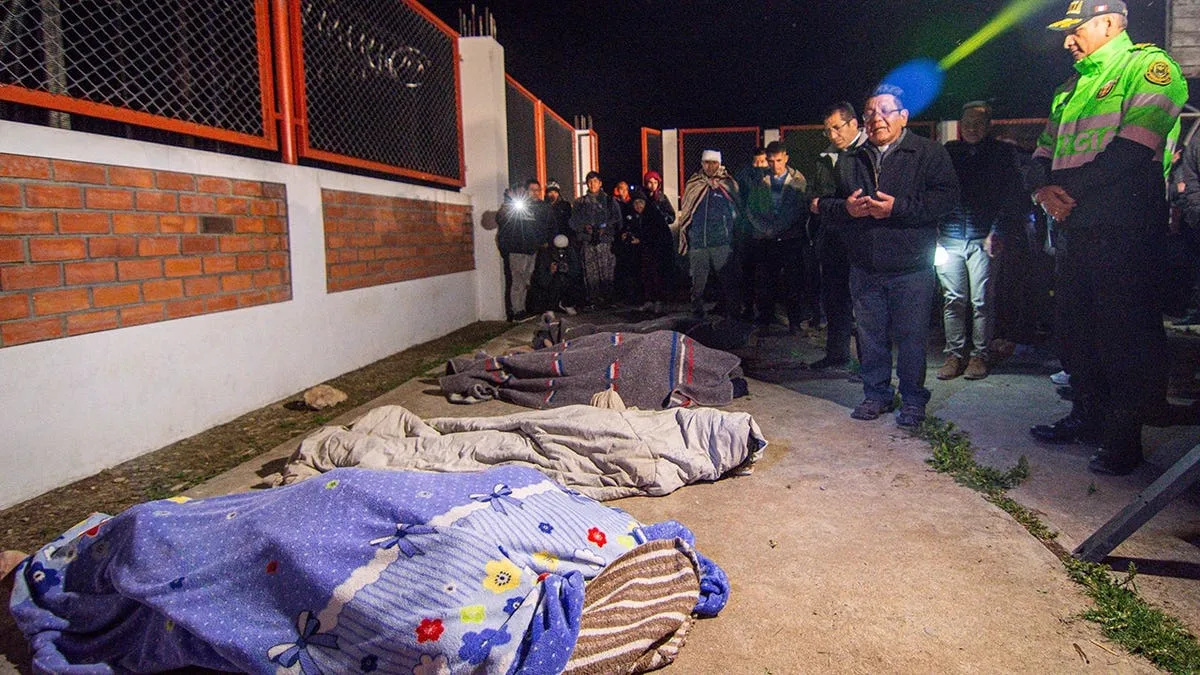
A 5.5-magnitude earthquake struck Peru's central Andes near Sicaya and Chupaca in Junin's Huancayo province at about 9:20 p.m. local time on July 18, 2026, killing at least five people and injuring between 20 and 32 others [1, 2, 3, 4]. The quake's depth was estimated between 10 and 24 kilometers, with some reports placing it at 10 km and others at 24 km [1, 5, 3]. An aftershock of magnitude 3.7 hit approximately 15 minutes later [5, 2].
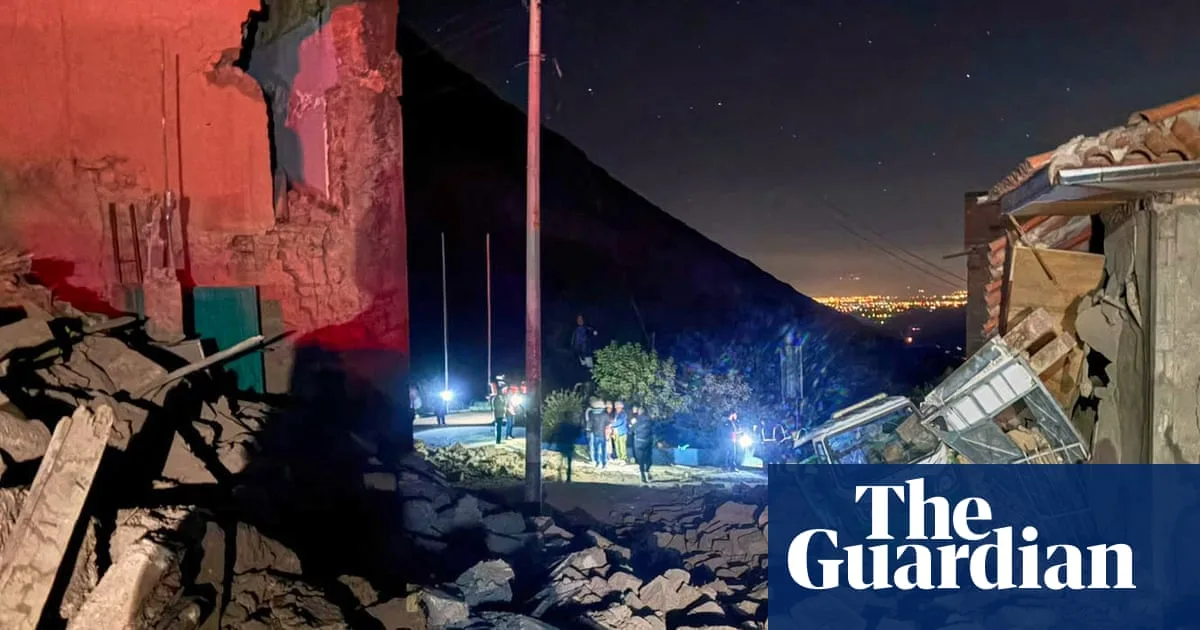
The earthquake caused significant damage, destroying or damaging roughly 66 homes, including 48 that collapsed and 18 others damaged, displacing about 300 residents [1, 5, 2, 4]. The widespread destruction was worsened by the common use of adobe mud bricks in local construction. Luis Vásquez said the rustic materials "contributed to the greater impact and damage" [4]. Local residents described the devastation, with one saying, "The earthquake destroyed our home. Here there are many adobe houses that collapsed," while another, Hermenegilda Guamalato, simply stated, "My home has been destroyed." [1, 5]
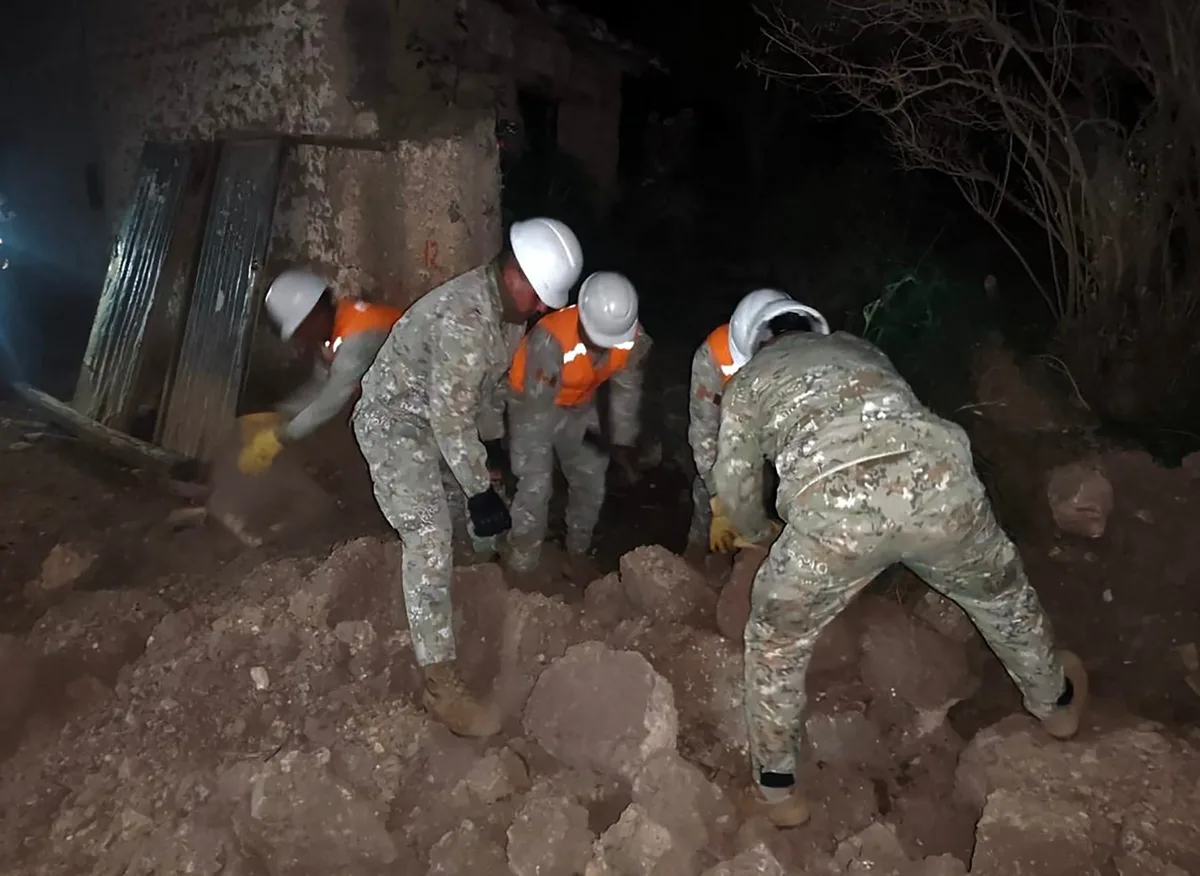
Historic religious buildings also suffered damage or collapse, including a local church and convent [1, 3, 4]. Power outages initially affected tens of thousands of people across districts near Huancayo and Chupaca, with over 400 customers remaining without power the following day [2]. Emergency response teams including police, firefighters, army personnel, and rescue workers conducted search and rescue and damage assessment operations [2, 3, 4].
President-elect Keiko Fujimori expressed condolences, saying, "I deeply regret the consequences of the earthquake that occurred in Junin. I express my most heartfelt condolences to the families of those who have passed away and my solidarity with those who have been affected." [5]
The earthquake is part of ongoing seismic activity in Peru, which lies along the Pacific Ring of Fire [1, 5, 4]. Emergency operations and power restoration efforts continued following the quake and aftershock on July 19 [1, 5, 2, 3, 4].