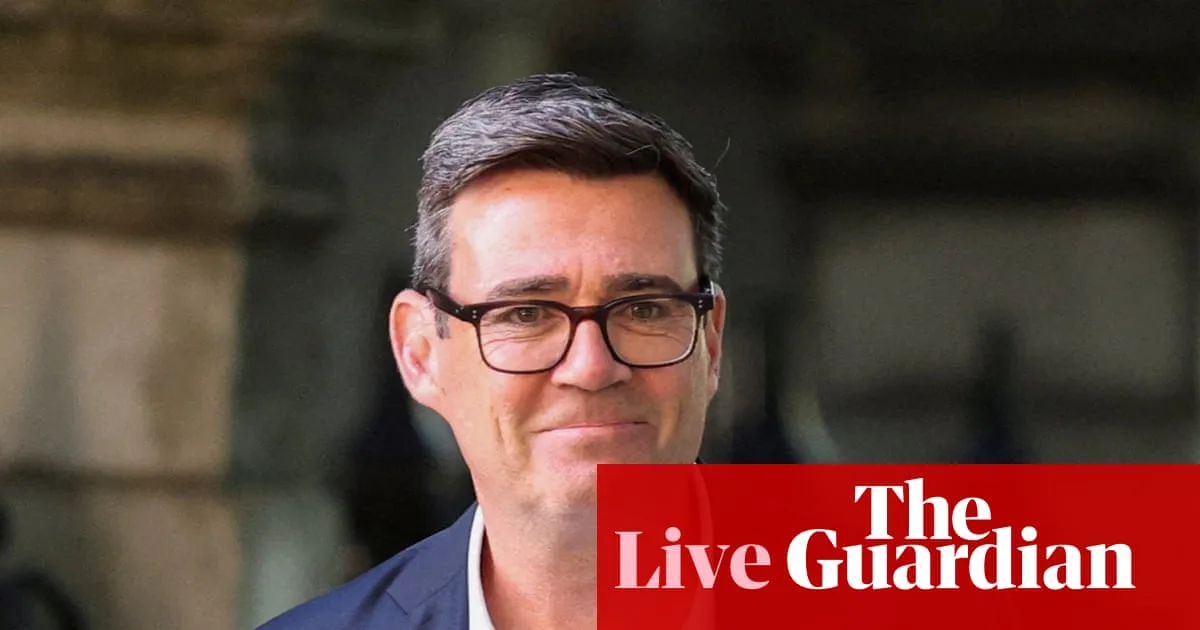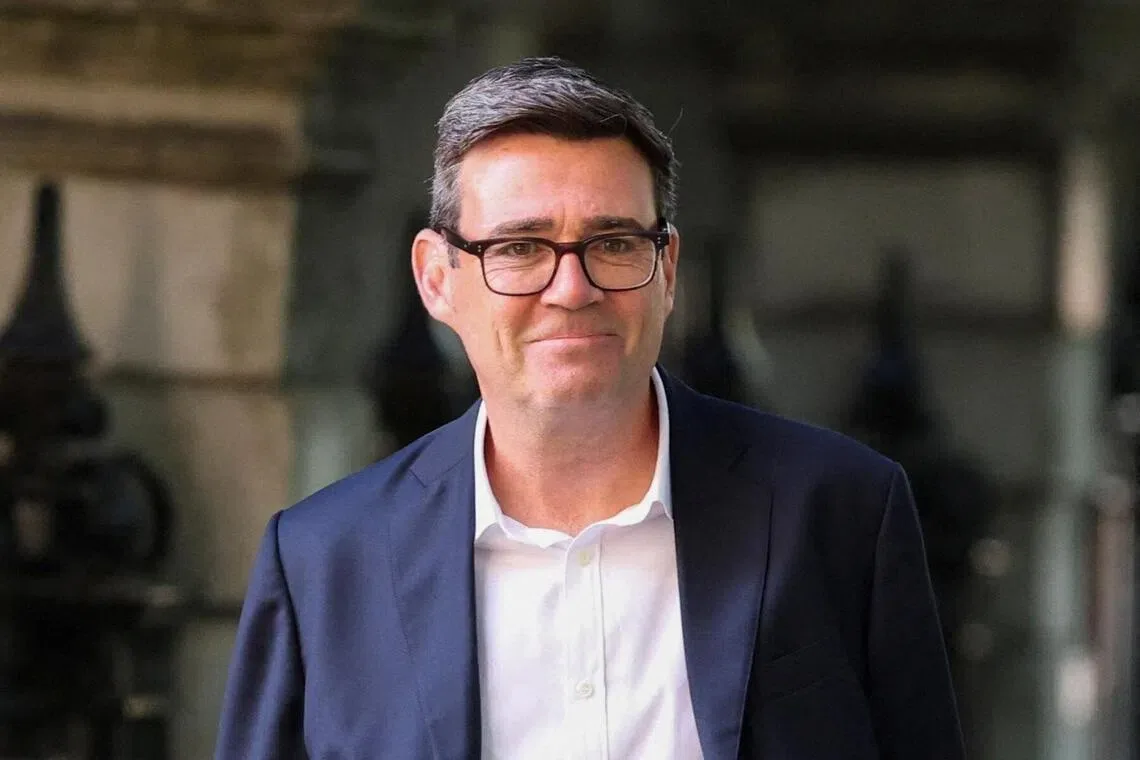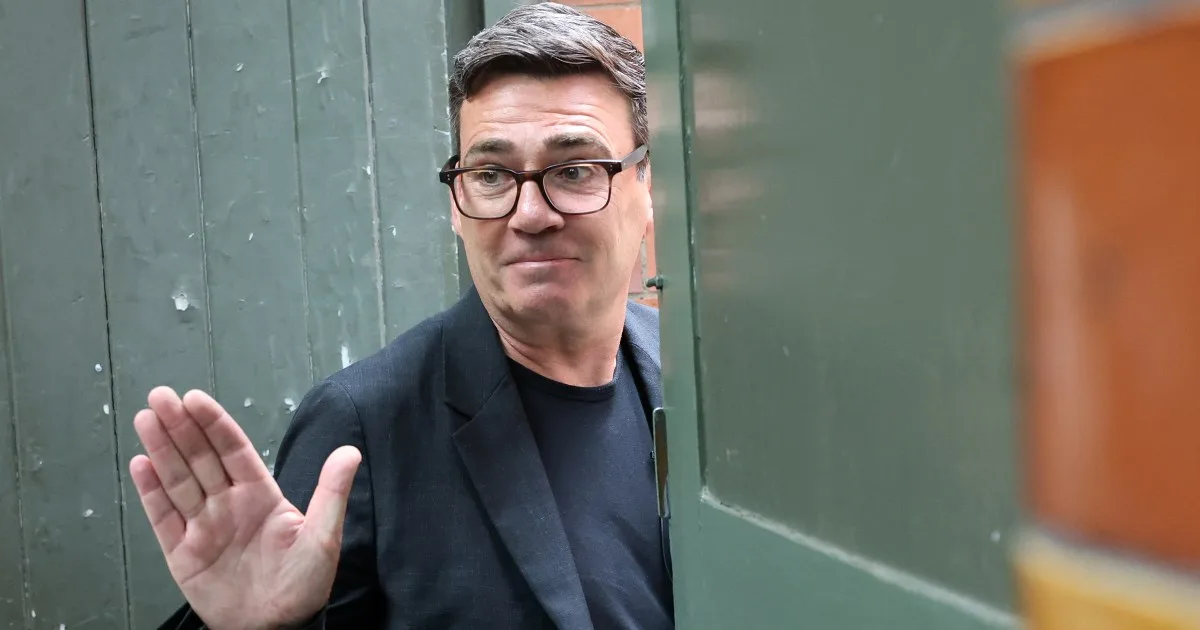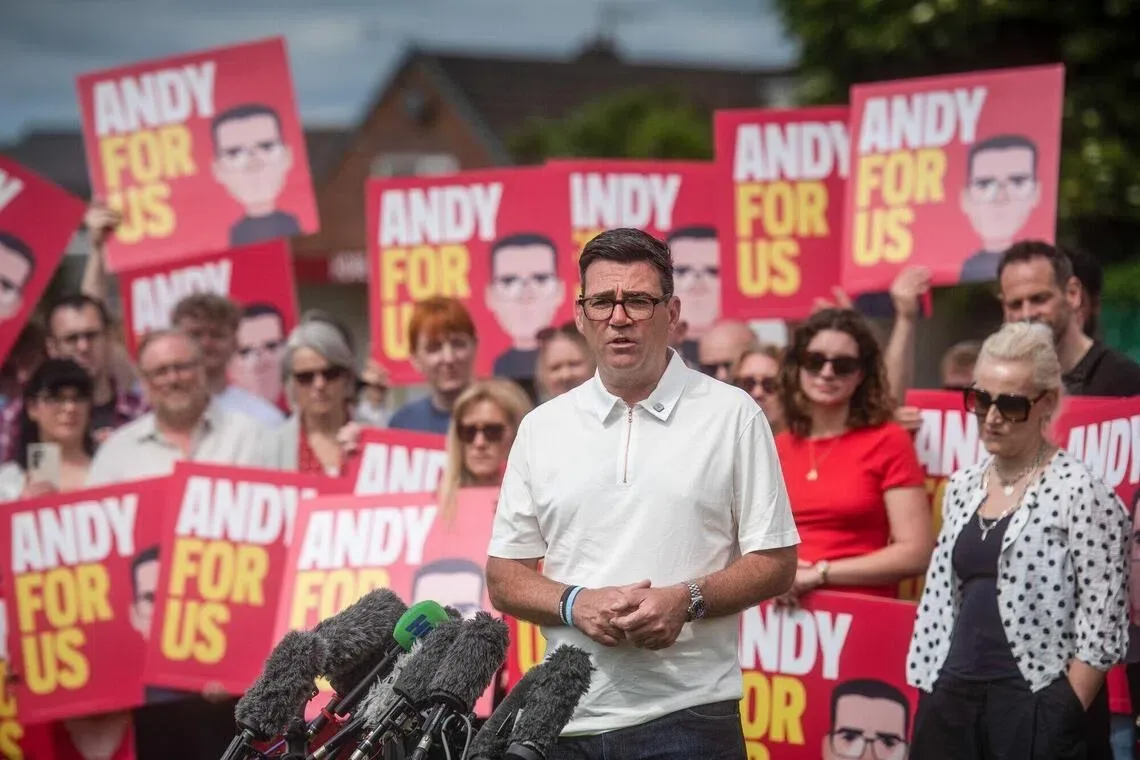
Andy Burnham is set to become the next leader of the Labour Party and UK Prime Minister on or around July 20, 2026, after a special party conference on July 17 is expected to confirm his leadership [1, 2, 3, 4, 5]. He is the only declared candidate following the resignation of Keir Starmer on June 22, and has already secured 322 nominations from Labour MPs, surpassing the 81 nomination threshold and effectively blocking other candidates from entering the race [2, 3, 6, 4, 5]. "As the first day of nominations draws to a close, I am deeply grateful to the 322 Labour MPs who have put their trust in me," Burnham said [5].
Burnham’s rise enjoys broad support across Labour’s factions, including both its left wing and Blairite members [6]. One anonymous Labour MP described him as the inevitable leader, saying, "There’s no one else [to challenge Burnham]" [2]. Burnham’s reputation as the "King of the North" stems from his three consecutive elections as mayor of Greater Manchester, strengthening his profile ahead of the national role [2, 3, 5].
Burnham has pledged to strengthen Britain’s armed forces and defence industry. He said, "It is right that we rebuild our hard power for a new era that is very different to the one in which much of our current military equipment was first designed" [1]. His plans include investing heavily in domestic defence production to reduce reliance on foreign suppliers and use defence spending as a tool to re-industrialize parts of Britain [1, 7]. He cited the 2025 Jaguar Land Rover cyberattack, which caused an estimated £2 billion in economic losses, as an example of new security challenges [1].
The new leader also proposes major devolution of power with a "No. 10 North" policy, aimed at decentralizing authority from Westminster to boost regional growth and enforce fiscal discipline [2, 3, 5].
Burnham’s foreign policy stances are less clear but involve closer defence and security cooperation with France and Germany, along with accelerated negotiations with the EU to address illegal migration [1]. However, roughly 80 Labour MPs have voiced concerns over Home Secretary Shabana Mahmood’s immigration policies, particularly plans to extend the waiting period for indefinite leave to remain from five to ten years or more. These MPs warn the policies risk Labour appearing similar to the right-wing Reform UK party [6]. Burnham retains Jonathan Powell as his national security adviser from Starmer's administration [1].
The next key event will be the Labour party’s special conference on July 17 where Burnham is expected to be officially confirmed as leader [2, 4, 5]. He will then formally meet King Charles III and likely be appointed Prime Minister around July 20 [1, 2, 3].