A 30-year-old Sudanese refugee legally residing in the UK was charged with attempted murder following a stabbing in Belfast on June 8, 2026. The victim was seriously injured, losing an eye in the attack [1, 2, 3]. The suspect arrived in the UK in 2023 via Paris and Dublin and holds a residence permit valid until 2028 [3].
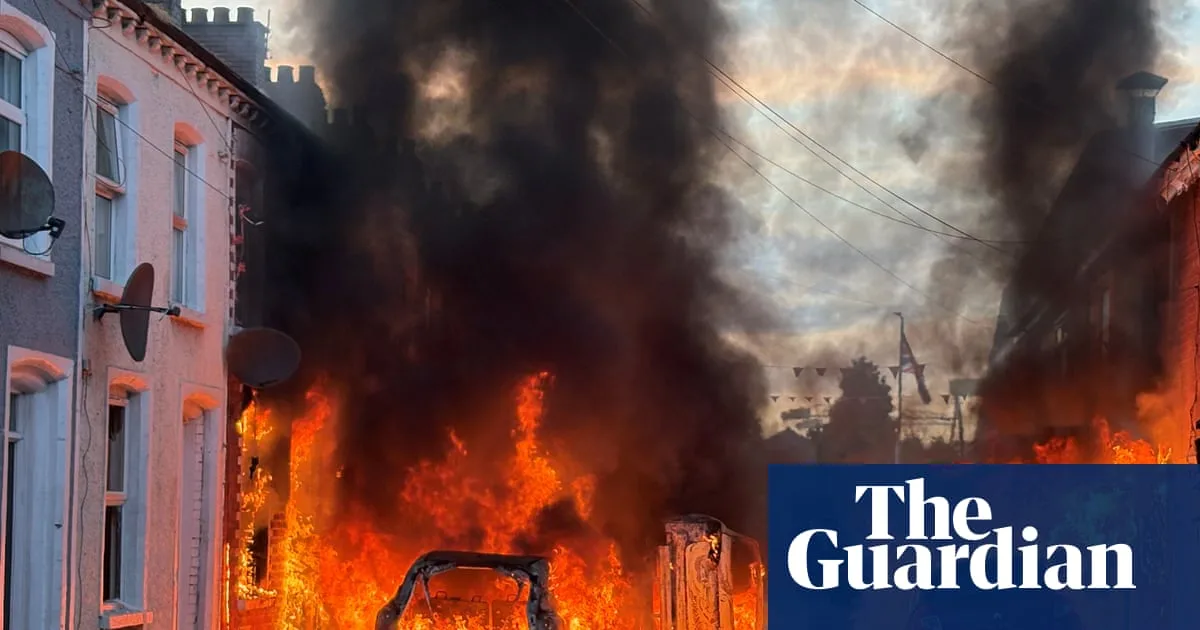
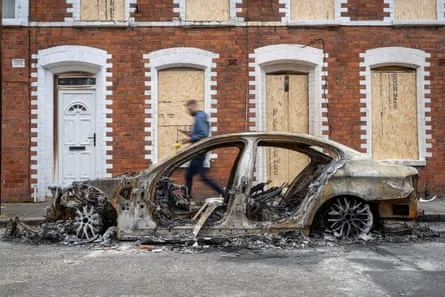
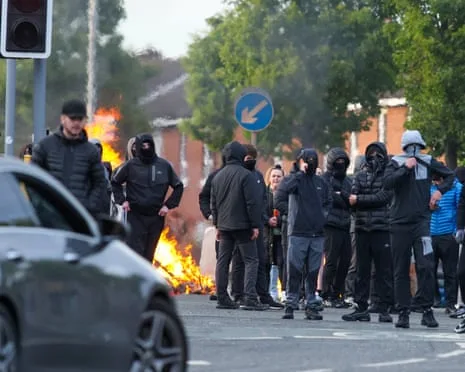
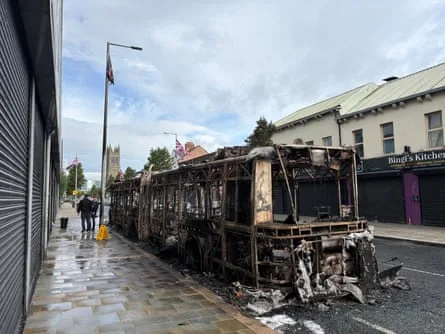
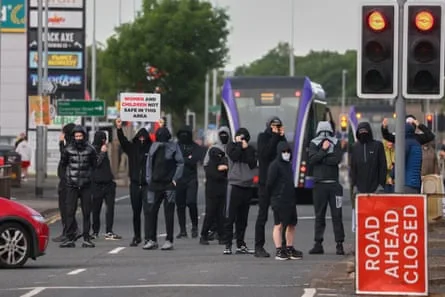
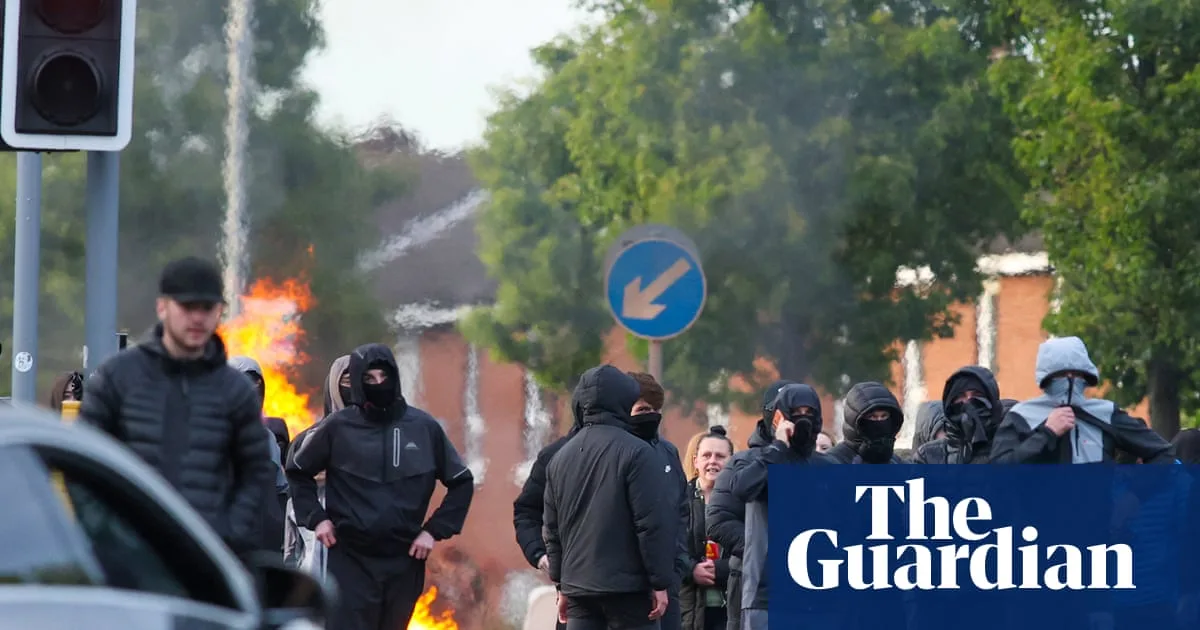
The stabbing triggered riots the next evening, June 9, involving hundreds of protesters. Roads were blocked and vehicles including a Glider bus and a police car were set on fire. Several properties were also torched, including the home of a Romanian Roma family in Belfast [1, 2, 3]. Police declared a "critical incident" in response to the violence [1].
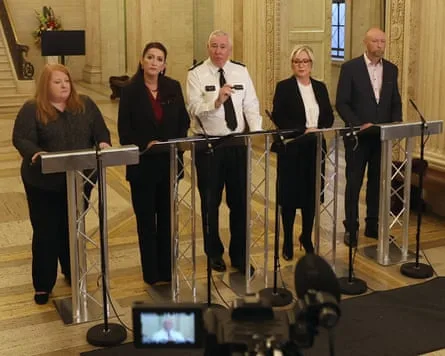
Northern Ireland Justice Minister Naomi Long condemned those who incited racial hatred online after the attack. She said, "Those bad faith actors need to take a step back. We in Northern Ireland know better than anyone else in these islands what it is to demonise a whole group of people and assume that everyone associated with that group is representative of them" [1].
First Minister Michelle O’Neill called the riots "nothing less than disgusting cowardice" and denounced "racism, intimidation and violence" [3].
The stabbing suspect appeared in Belfast magistrates court on June 10 charged with attempted murder and other offences [1, 2, 3].
Northern Ireland’s overall crime rate fell 3.3% in 2025 to its lowest level since 1998, but racist hate crime rose to its highest recorded level since 2004 [2]. The attacks on homes of minority ethnic families during the riots add to concerns about rising hostility.
Authorities continue to manage heightened tensions in Belfast following the stabbing and unrest, with further court proceedings scheduled against the suspect.