Arab and Muslim foreign ministers from 8 to 12 countries, including Turkey, Saudi Arabia, UAE, Qatar, Egypt, Jordan, Pakistan, and Indonesia, met in Jordan on August 5-6 to condemn Israeli violations in Gaza and Jerusalem [1, 2, 3, 4].
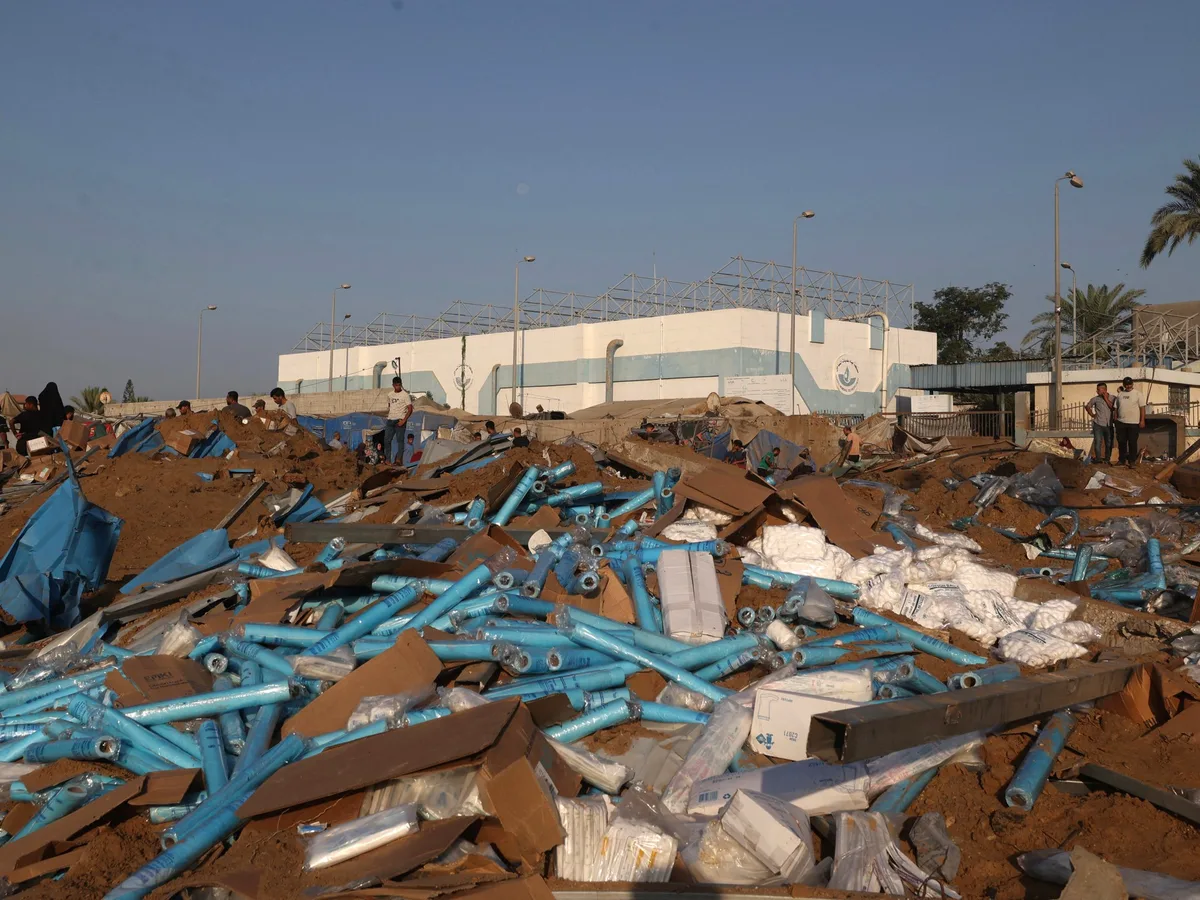
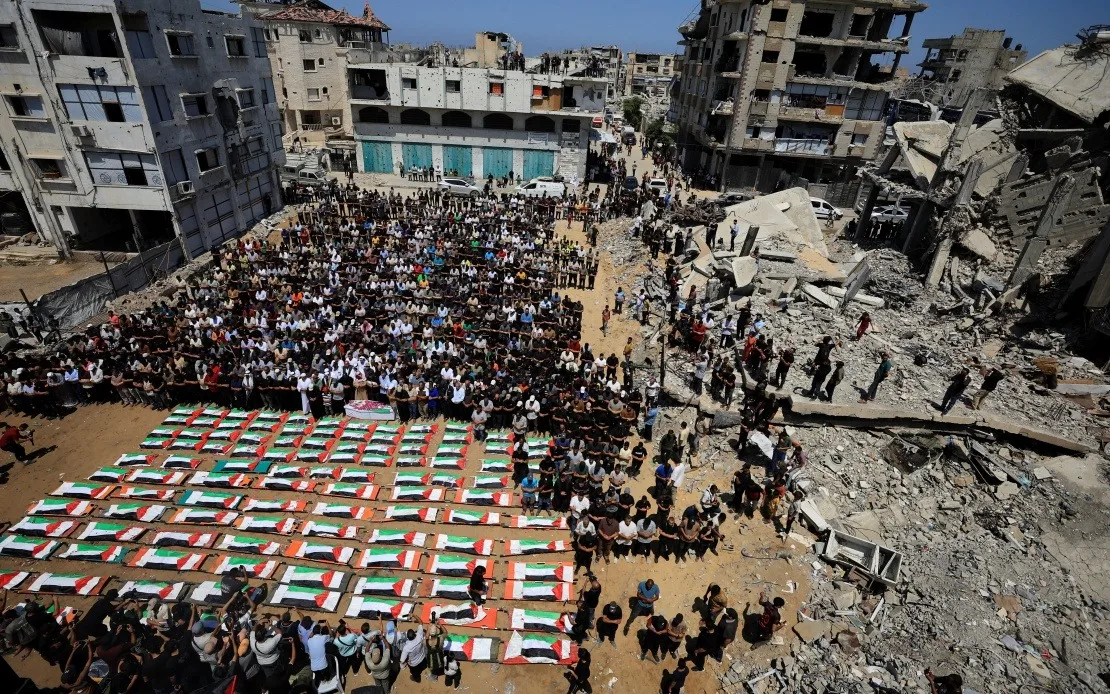
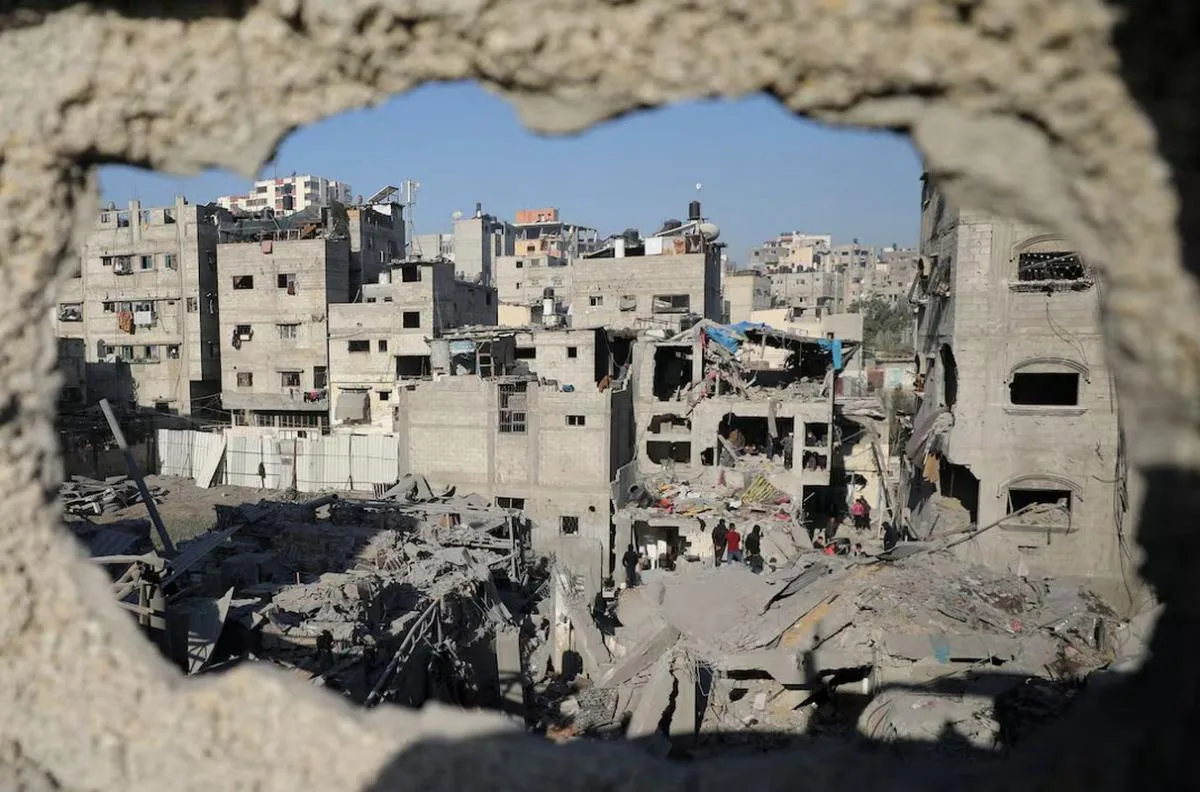
The ministers strongly denounced Israeli attacks targeting Gaza healthcare facilities, medical infrastructure, and civilian areas, resulting in deaths of civilians including women and children [1, 3, 5]. They called these attacks a grave breach of international humanitarian law and violations of UN resolutions [3, 5]. The ministers stressed legal obligations to protect civilians, medical personnel, and humanitarian aid amid dire shortages in Gaza, where 61% of cancer and blood-disorder medicines are lacking and only about half of 36 hospitals remain partially functional [3, 5].
They linked the violence in Gaza to Israeli settler attacks and settlement expansions in the occupied West Bank and East Jerusalem [3, 5]. The ministers condemned Israeli policies in Jerusalem aimed at altering its Arab, Islamic, and Christian identity and demographic composition, calling these policies illegal under international law [2, 6, 7]. The joint declaration described Jerusalem as "in escalating danger, and its Islamic and Christian sanctuaries are threatened as never before" [2]. Jordanian Foreign Minister Ayman Safadi said, "Jerusalem is facing an escalating danger, and its Islamic and Christian holy sites are under an unprecedented threat," adding, "The measures are part of a plan targeting Jerusalem’s identity, history, present and future" [6].
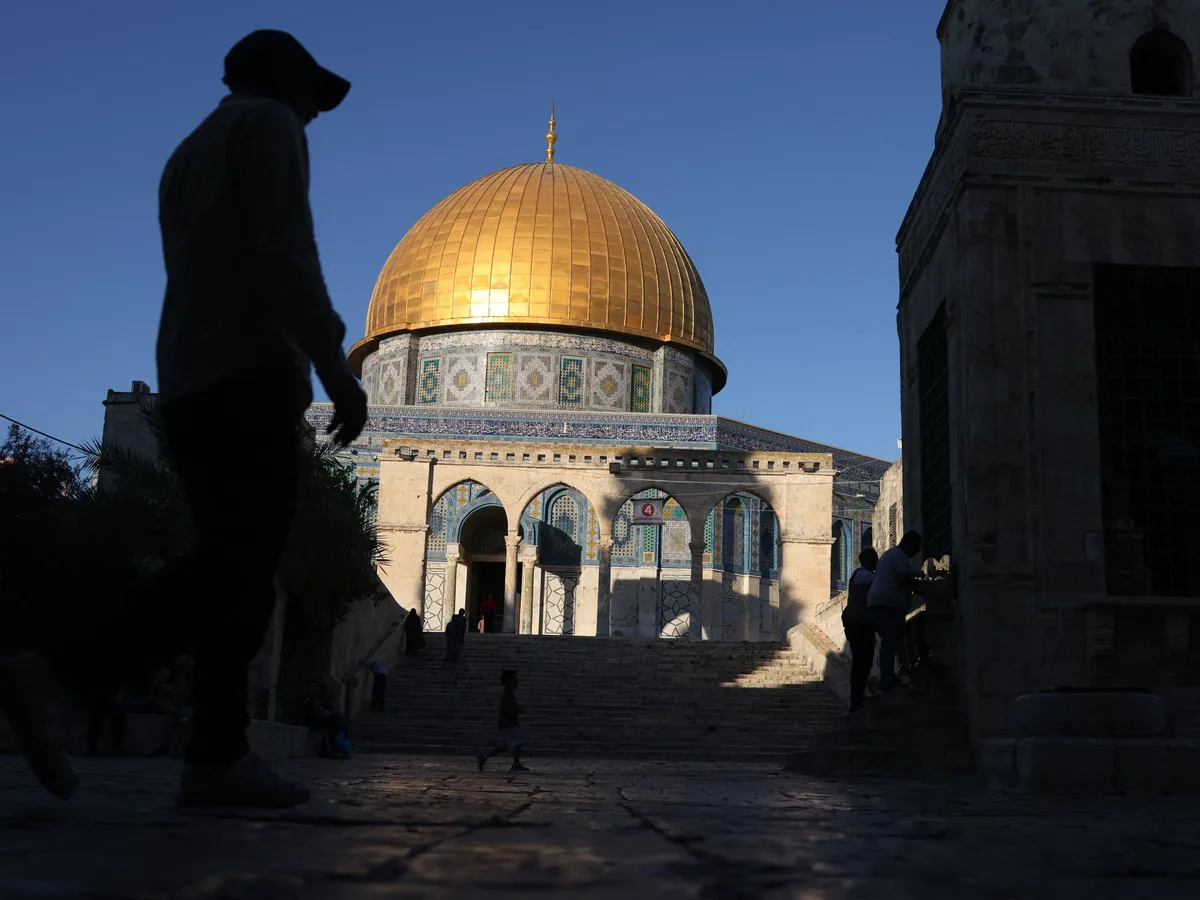
The ministers highlighted Israeli measures as an unprecedented threat to the Al-Aqsa Mosque compound, citing settler incursions, restrictions on worshippers, and attempts to change the status quo [2, 6, 7]. The Al-Aqsa Mosque/Al-Haram Al-Sharif compound covers 144 dunams (35.6 acres) [7].
The joint statement condemned Israeli settlement expansions, confiscations, and home demolitions aimed at displacing Palestinians in East Jerusalem and the West Bank [2, 6]. It reaffirmed that East Jerusalem remains part of occupied Palestinian territory with no Israeli sovereignty, and that the Al-Aqsa Mosque compound is exclusively a Muslim place of worship under the Jerusalem Awqaf's jurisdiction [2, 7].
The ministers agreed to establish a permanent mechanism including a media platform to document and expose Israeli violations in Jerusalem and bring international attention to these abuses [2, 7]. They also called for urgent international action, including by the UN Security Council, to hold Israel accountable and ensure compliance with international law [3, 5, 7].
Turkish Foreign Minister Hakan Fidan attended the Jordan meeting and emphasized Jerusalem's religious, historical, and cultural significance while condemning Israeli provocations and policies [8, 4, 6]. Hamas welcomed the ministers’ condemnation of violations and urged immediate action to stop Israel from sabotaging the Gaza ceasefire agreement [5].
The ministers reiterated support for a two-state solution based on the June 4, 1967 borders with East Jerusalem as the capital of a future Palestinian state [3, 7].
On August 4, Turkey announced Foreign Minister Fidan would attend the ministerial meeting in Amman focused on Jerusalem’s status and Gaza ceasefire efforts [8]. On August 5, the ministers agreed to create the monitoring mechanism and forge a joint position condemning Israeli measures threatening Jerusalem’s identity and holy sites [2, 4, 7].