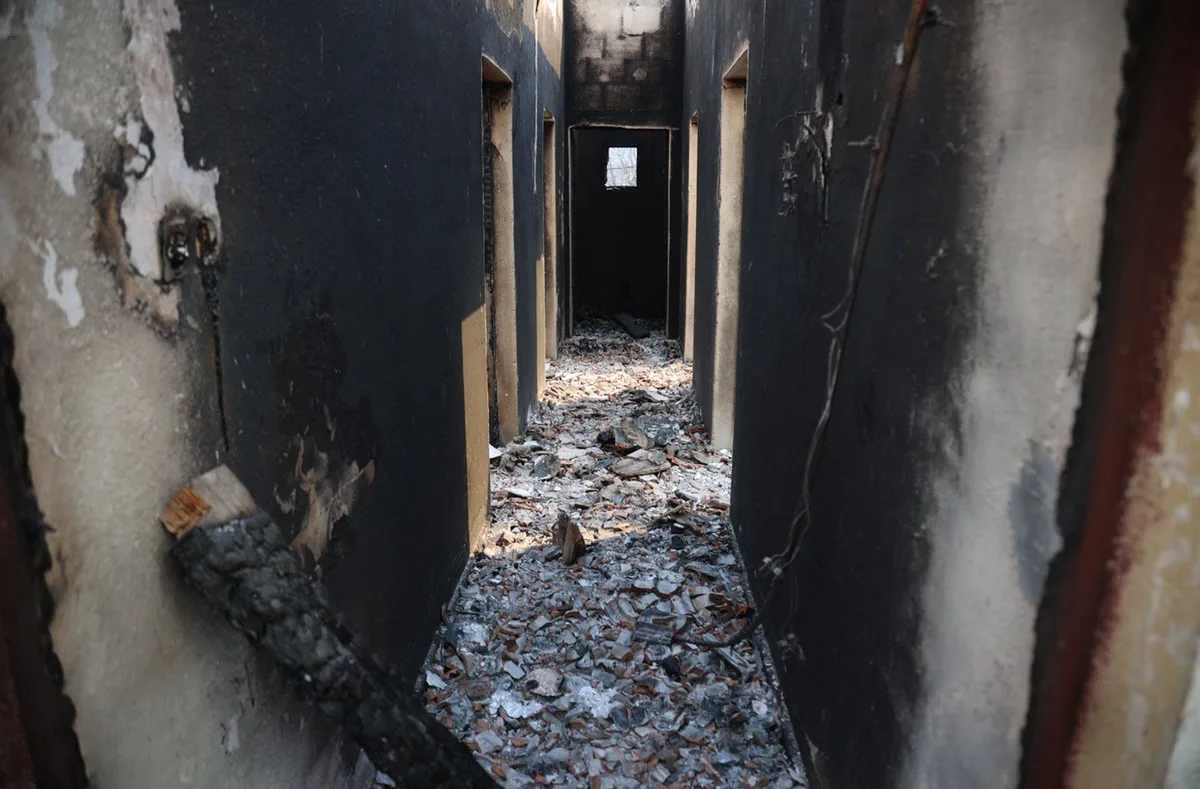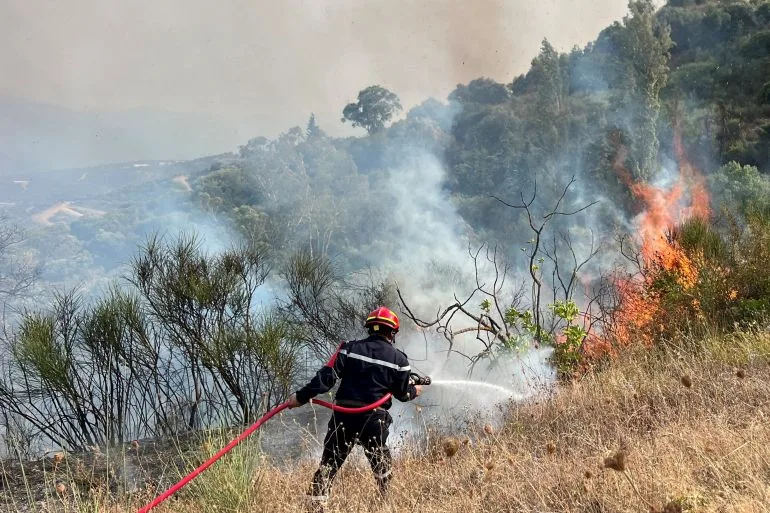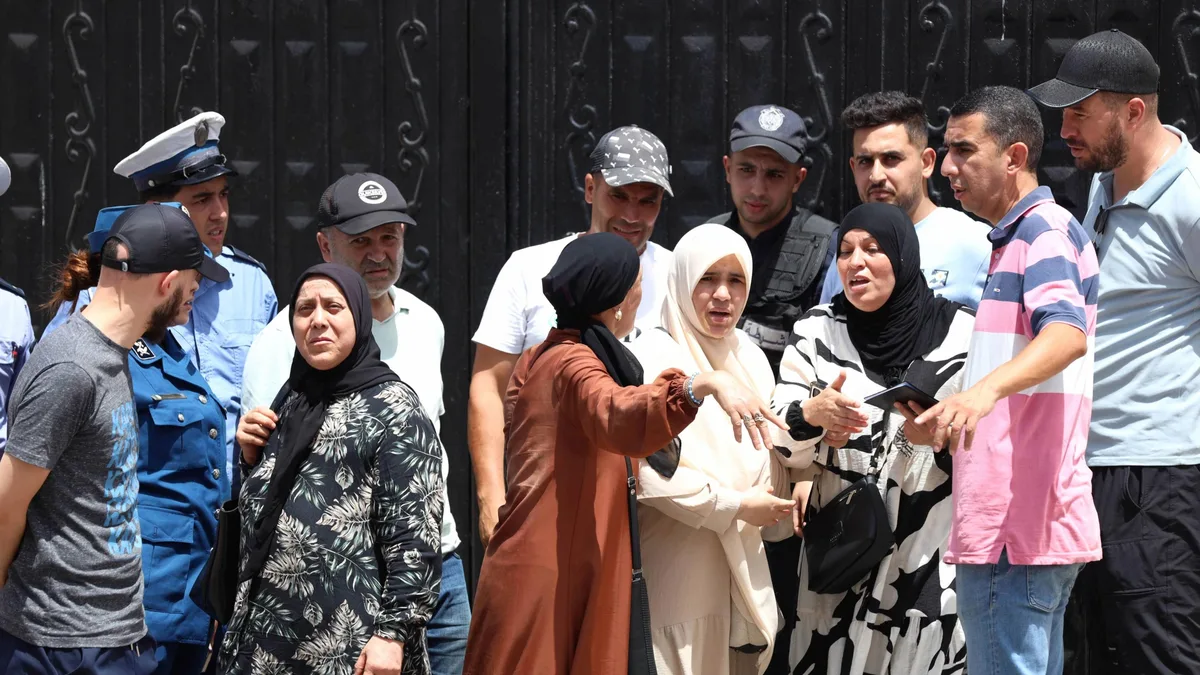
At least 12 people have died in wildfires across several northern Algerian provinces amid ongoing severe heatwave conditions, officials said today. The fatalities include five in Jijel, four in Bejaia, and three in Tizi Ouzou provinces, with 54 others injured, six of whom remain in critical condition in intensive care units [1, 2, 3, 4, 5].
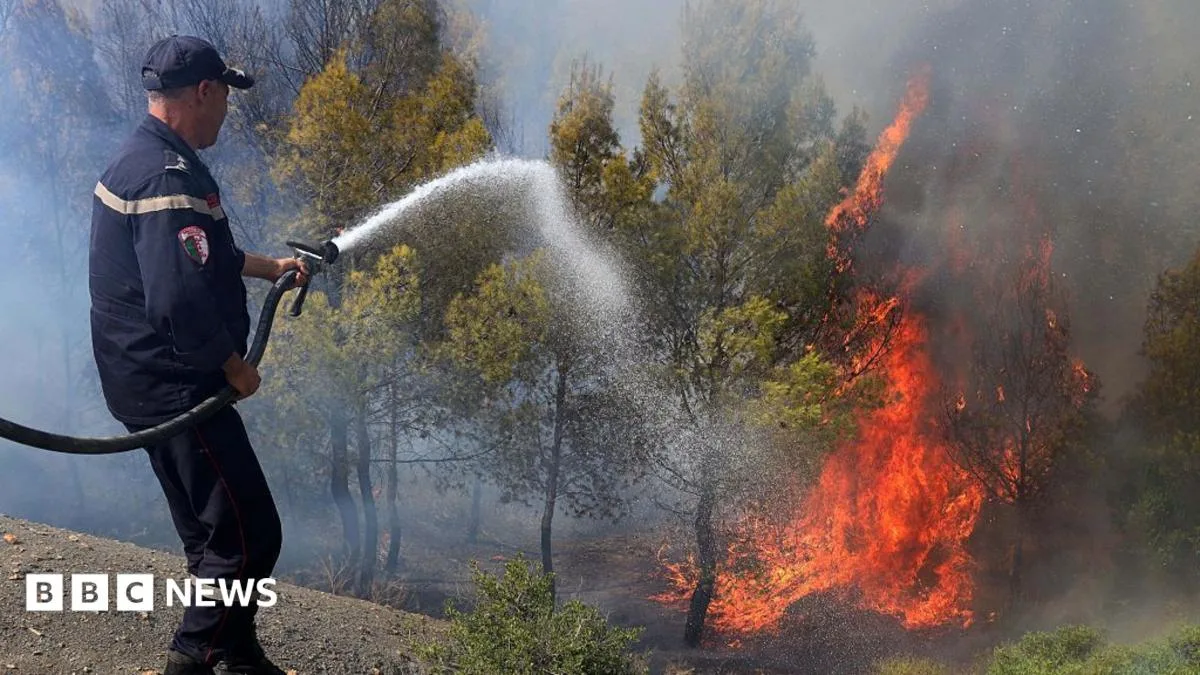
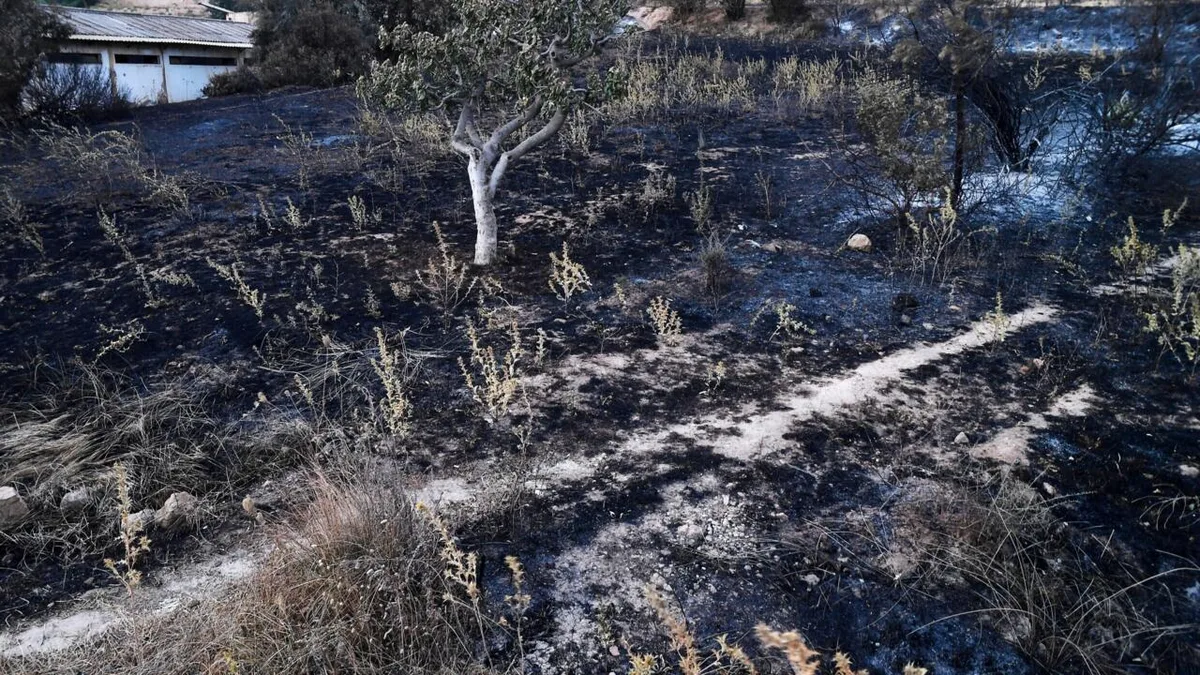
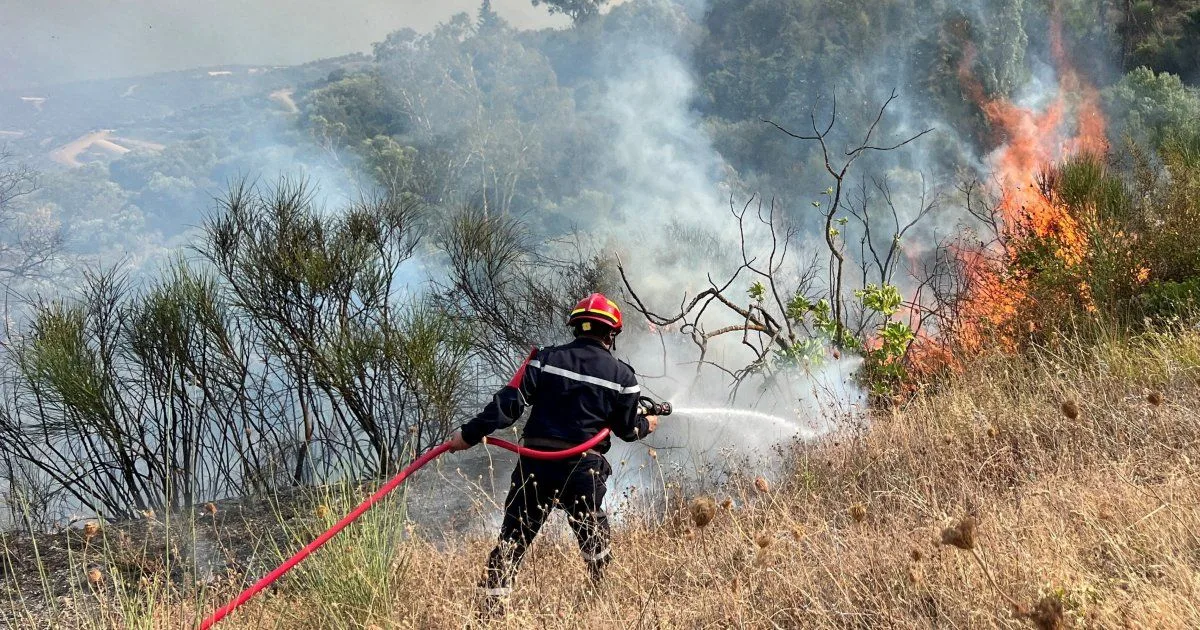
Civil protection authorities recorded between 154 and 159 wildfires erupted across northern Algeria on August 26, overwhelming local firefighting capacities amid fierce winds and dry conditions linked to a prolonged drought and climate change [2, 3, 4, 5]. Forested areas, farmland, villages, and homes were destroyed in the blazes [2, 3, 6].
Dozens of families were evacuated from threatened zones in Bejaia and Jijel provinces as a precaution during the emergency operations. Firefighting efforts deployed aerial support using Beriev BE-200 firefighting planes, AT-802 aircraft, and Mi-26 helicopters to combat the rapidly spreading flames [1, 3, 5].
By August 29, authorities reported that 118 of the 123 recent wildfires had been extinguished, with five still active. Nearly 19,000 personnel remain mobilized to fight fires mainly in the eastern provinces [7].
Interior Minister Said Sayoud visited Bejaia on August 27 to assess firefighting and medical response efforts, while Prime Minister Sifi Ghrieb toured Jijel to oversee emergency operations and meet displaced residents [1, 3, 5, 7]. Funerals and a collective burial for the wildfire victims took place in Jijel, attended by government officials [7].
The Algerian President declared three days of national mourning following the deadly wildfires. The Turkish Foreign Ministry expressed condolences, stating, "We are deeply saddened by the loss of lives caused by the wildfires that swept through several provinces in Algeria" [8, 5].
Northern Algeria has experienced similar deadly forest fires in recent years, with the number of fires recorded between May and July 2026 rising nearly 167% compared to last year, reflecting escalating fire risks in the region [1, 2, 3, 5].
Large solidarity convoys organized by Algerian citizens continue delivering food, bedding, and essentials to affected communities as search efforts for missing persons continue in fire-affected municipalities [7].