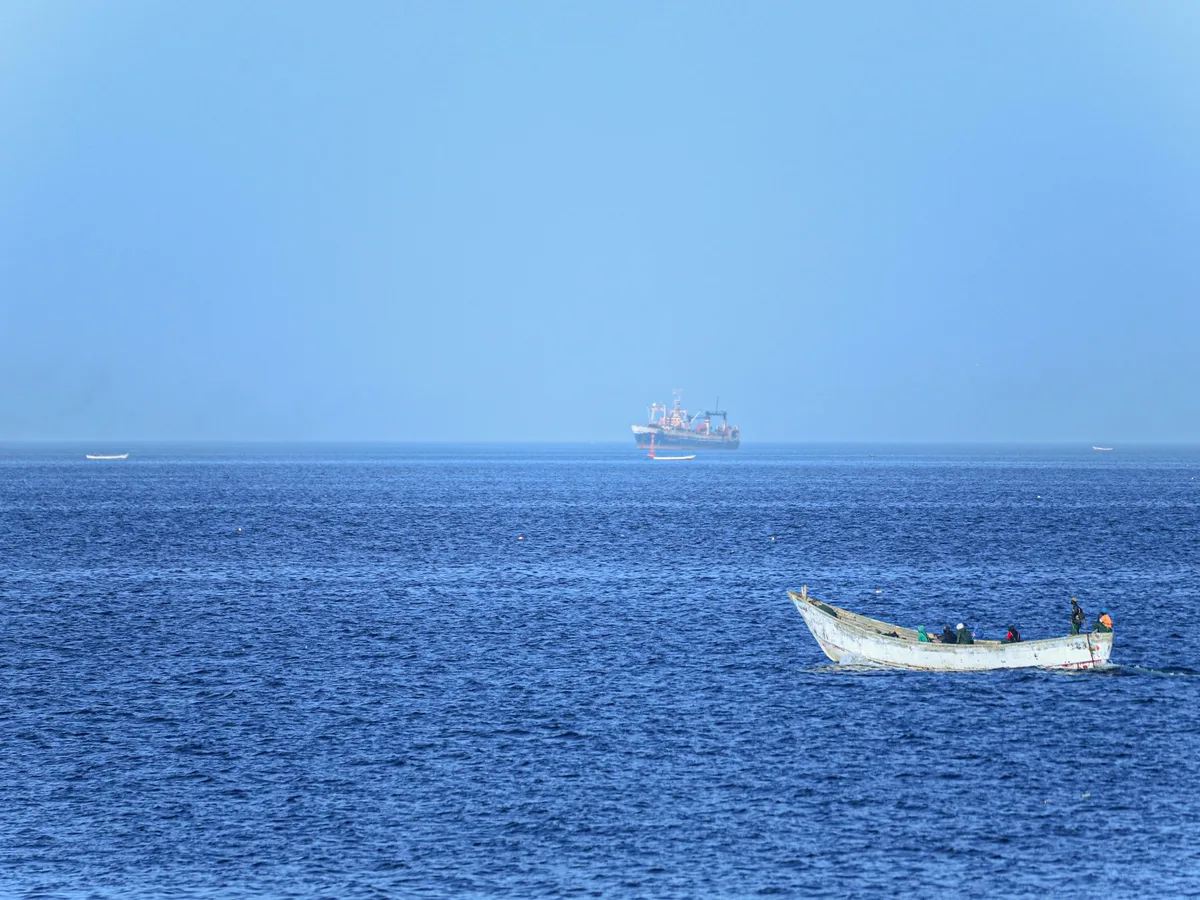
Between July 14 and 18, 2026, Mauritanian authorities conducted three rescue operations off the coast, saving 387 migrants and refugees in total [1, 2, 3, 4, 5, 6].
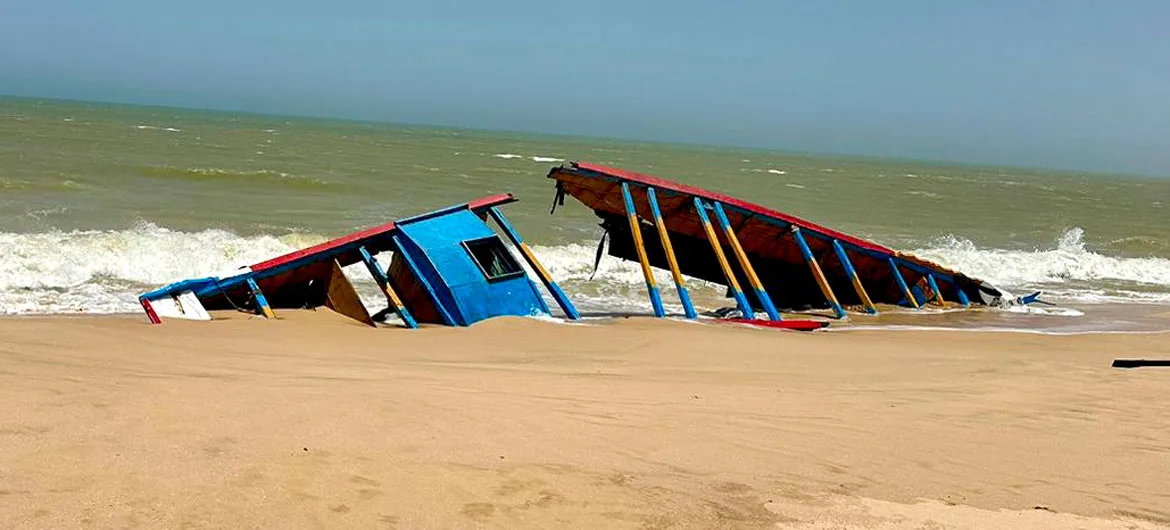
On July 18, a single vessel that departed from Bufaloto, Gambia, after drifting for about 25 days at sea, arrived in Mauritania carrying 38 survivors and 143 dead or missing persons [1, 2, 3, 4, 5, 7, 6]. This boat is the deadliest shipwreck on the West Africa to Canary Islands migration route known to date, according to the International Organization for Migration (IOM), which estimated about 180 people were originally on board [7]. The Mauritanian coastguard gave a lower figure, saying the vessel left Gambia with 160 people and 122 are missing [3].
Among the survivors on the capsized boat were two children who lost all their family members during the journey; they are currently hospitalized, UNHCR spokesperson Matt Saltmarsh said [1, 2, 3, 5, 7]. Another migrant from a separate vessel that disembarked in Mauritania on July 14 was declared dead on arrival [1, 2, 3, 4, 5, 6].
Since the start of 2026, Mauritania has recorded 17 migrant disembarkations at Nouadhibou and Nouakchott, rescuing a total of 2,147 people [1, 2, 5, 6]. Despite a more than one-third decline in sea arrivals to Europe this year—just over 40,000 compared to 65,407 in the first half of 2025—deaths and disappearances at sea remain at alarming levels [1, 2, 5].
The route from West Africa to the Canary Islands through Mauritania is known as one of the deadliest migration paths. Migrants face long distances, overcrowded and unseaworthy vessels, and lack of timely rescue [2, 3, 7]. Sylvia Ekra, IOM regional director for West and Central Africa, said, "Every life lost on this route is one life too many. My thoughts are with the families who are mourning loved ones, and with the survivors who have endured an unimaginable ordeal." She added, "What this incident shows is that a decline in arrivals does not mean the route has become safer." [7]
UNHCR and other agencies have called for expanding safe, legal, and alternative migration routes, alongside increasing education and employment opportunities to reduce the need for dangerous sea journeys [1, 2, 3, 7].
The capsized boat is part of a series of migrant arrivals and rescues taking place in Mauritania this year, with authorities continuing operations to save lives along these perilous migration tracks.