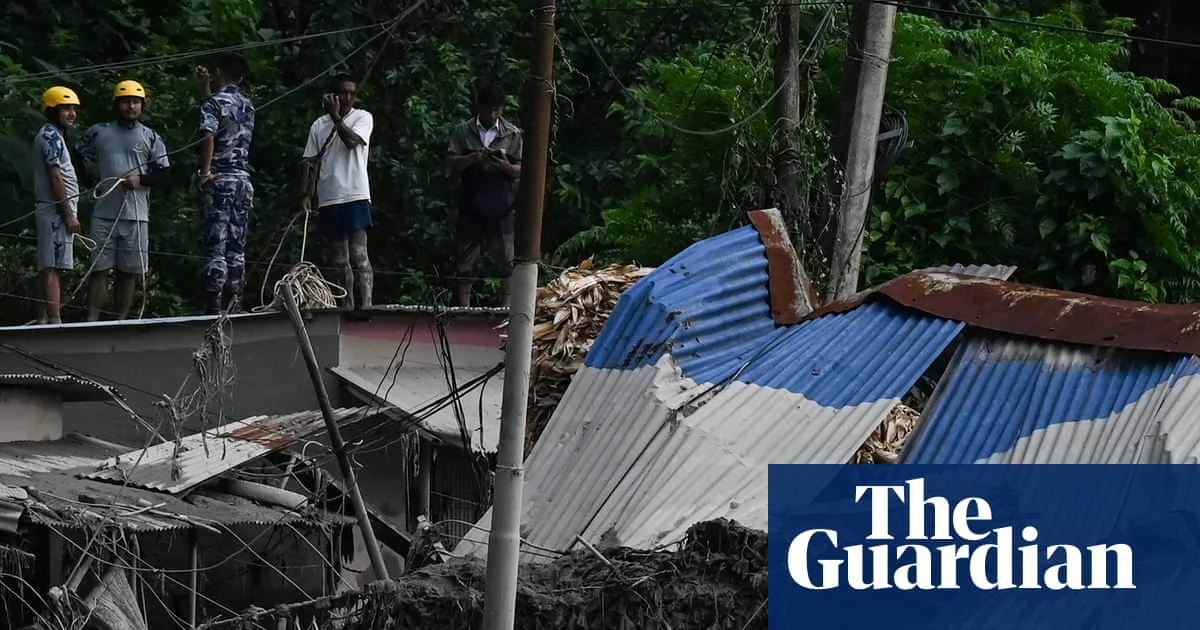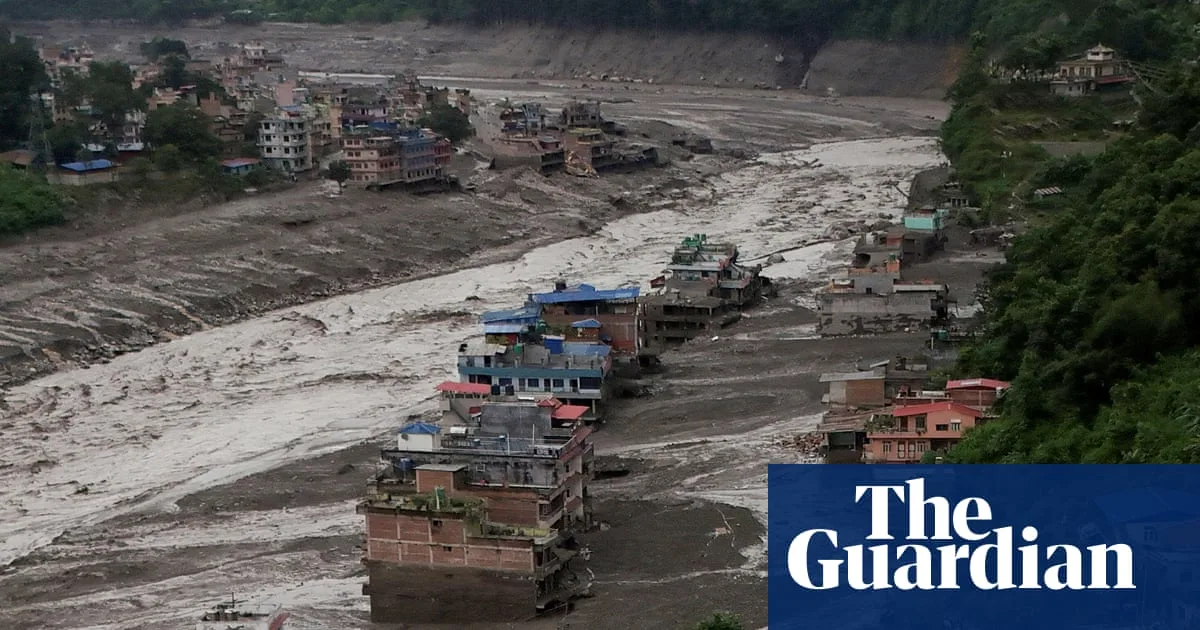
At least 33 British nationals, including a 13-year-old girl, are missing after flash floods struck near the Nepal-Tibet border on August 26 around 8:30 a.m. local time, authorities said [1, 2, 3, 4, 5].
The floods were caused by a glacier collapse and mudslides near the Bhote Koshi River. The sudden release of water swept through villages along a 40 to 50 kilometer stretch, with an estimated 20 million cubic meters of water surging through the area, Nepal Centre for Disaster Management president Bishal Nath Upreti said [2].
At least 538 people have died in Nepal and Tibet as a result of the floods as of August 28, according to the latest official figures [3]. Nepalese authorities initially reported at least 95 deaths on August 26, though some sources cited over 150 fatalities at that time [4, 5]. Hundreds more are injured and receiving hospital treatment in Nepal [1].
More than 1,300 people remain missing across Nepal and Tibet, including a large number of foreign nationals from countries such as the UK, India, the US, Australia, and Canada [2, 6, 7, 4, 5]. British tourists missing range in age from 13 to 65 and include both men and women [1, 2]. Tour operators including Alpine Eco Trek and Kailash Journeys have confirmed some of their British clients are unaccounted for [1, 2, 3]. Alpine Eco Trek owner Ram Kumar Adhikari said, "Not much info to share at the moment, but yes we have 12 British citizens [supposed] to make entry this morning" [1].
UK Prime Minister Andy Burnham pledged £5 million in aid and the deployment of consular support staff to help British nationals affected by the disaster. Burnham called the scene "devastating" and said the government is providing support 24/7 for British families [2, 5]. Foreign Secretary Ed Miliband also expressed deep concern for those impacted [1, 4, 5]. Families of missing Britons are traveling to Nepal amid difficult communication and power outages to assist in the search [3].
Authorities warn of a risk of a second wave of flooding caused by rising artificial lakes formed by landslides. Tourists have been urged to exercise caution, move to higher ground, and postpone travel to the affected regions [1, 3, 5].
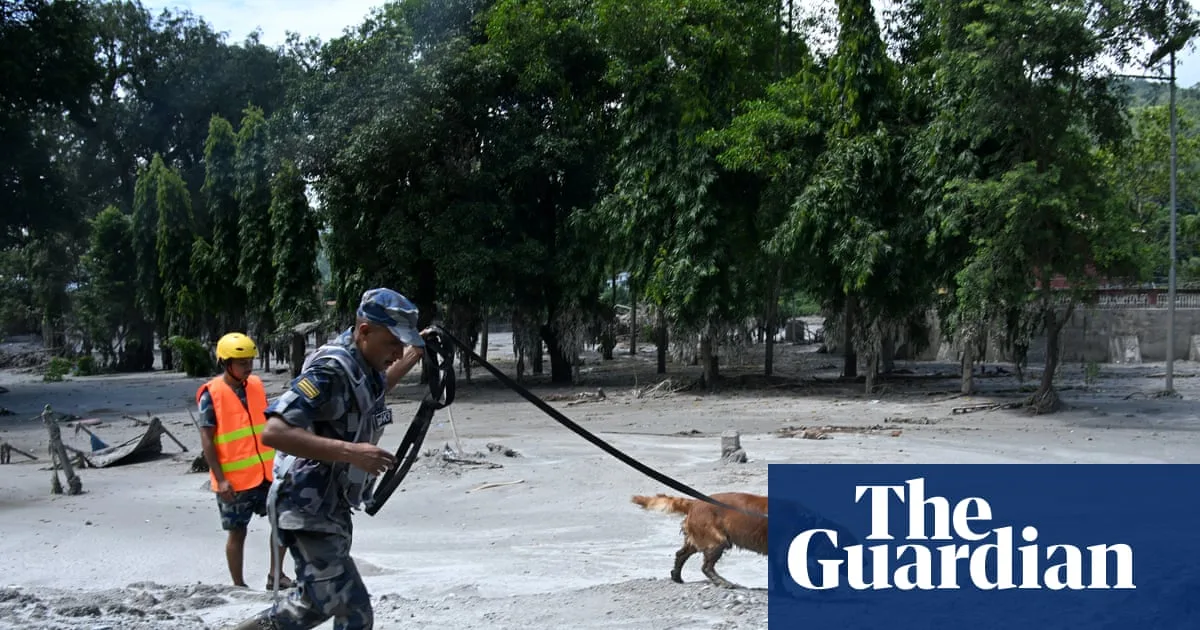
Rescue operations continue across the region as efforts focus on finding more than 1,300 missing people, including the 33 British nationals. The death toll and missing counts are expected to be updated as more information becomes available [2, 6, 7].