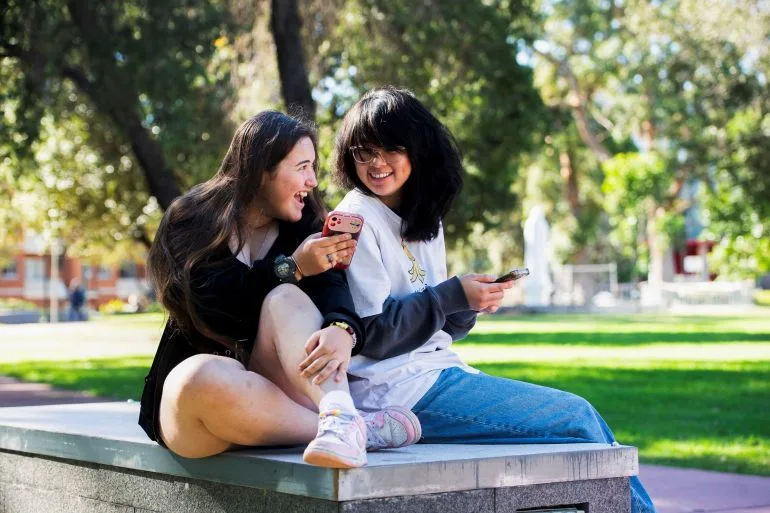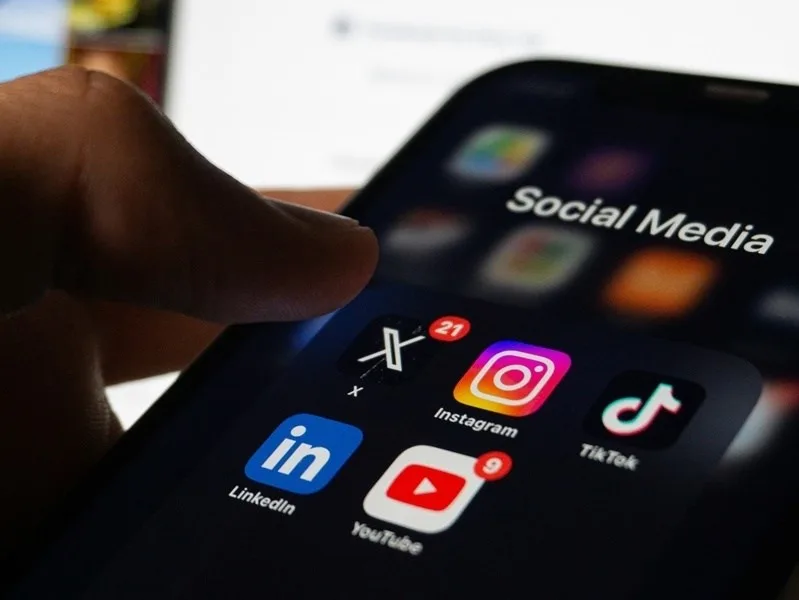
Australia implemented the world's first ban on social media use by children under 16 on December 10, 2025 [1, 2, 3, 4]. The ban aimed to protect children’s mental and physical health from the effects of social media [1, 2, 3, 4]. However, three months later, a report from the eSafety Commission found that more than 80% of Australian youths aged 10 to 15 continue to use social media at similar rates as before the ban [1, 2, 3, 4].
The eSafety Commission cited difficulties enforcing the ban, noting social media platforms failed to implement effective age verification systems and many users circumvented restrictions [2]. About half of under-16s who retained accounts reported that platforms did not adequately verify their age [2]. Despite the ban, daily social media use among teenagers only dropped slightly from approximately 60% before the ban to around 58% afterward [2].
Parental oversight of children's social media use has also decreased since the ban was enacted [1, 3, 4]. Andrew Leigh, Australian Assistant Minister, defended the ban, saying it sparked important discussions among parents and has led to the closure of millions of accounts [1, 3, 4]. Leigh acknowledged full compliance was never expected, comparing the ban to minimum drinking age laws that also cannot be perfectly enforced. “We never expected 100% compliance with this ban. The minimum drinking age regulation is also not fully enforced 100%, but that doesn't mean the law should not exist,” he said [1].
Leigh described the ban as a meaningful turning point in raising awareness, stating, “This ban has become an important turning point for discussions among parents and we have closed millions of accounts” [3].
The Australian government continues to work with social media companies to improve age verification and compliance. The effectiveness of the ban remains under review as authorities seek ways to better enforce the restrictions and reduce underage use in coming months.