Brazil monitored two patients in São Paulo and Rio de Janeiro for possible Ebola infection after they recently traveled from the Democratic Republic of Congo and Uganda, where an outbreak is underway [1, 2, 3]. The patients were placed in isolation starting June 1 as suspected Ebola cases, prompting close health surveillance [3].
The 37-year-old man in São Paulo, originally from DR Congo, exhibited fever and symptoms meeting the definition of a suspected Ebola case, according to the São Paulo state government [3]. He was later diagnosed with severe meningitis, and Ebola was ruled out by health authorities [2, 3].
In Rio de Janeiro, a Belgian man who arrived from Uganda on May 22 showed symptoms including cough, chills, and diarrhea [1, 3]. He tested positive for malaria, but his case remained under investigation by Rio City Hall despite the malaria diagnosis [3].
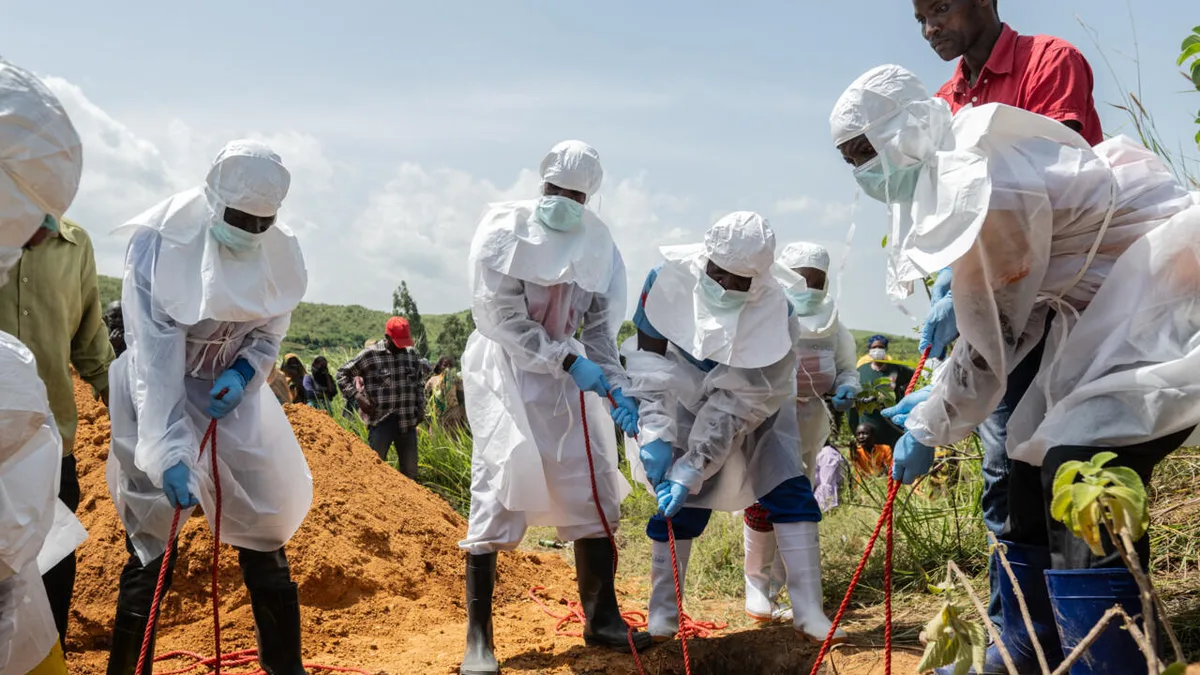
The ongoing Ebola outbreak in DR Congo, declared on May 15, involves over 1,000 suspected cases and has caused at least 246 deaths [1, 2, 3]. Uganda has confirmed 9 cases and one death [1, 2]. The outbreak is caused by the Bundibugyo strain, which has no proven vaccine and kills about one-third of those infected [1, 2].
Ebola spreads through direct contact with bodily fluids of infected people and can originate from handling infected animals, typically fruit bats [1, 2]. The World Health Organization considers the risk of Ebola spreading globally, including to Brazil and South America, to be very low [1, 3].
Test results for both patients in Brazil came back negative for Ebola between June 7 and 8 [2, 3]. The São Paulo health authorities confirmed that Ebola had been ruled out for the Congolese man [2].
Brazilian health officials continue to monitor arrivals from affected regions closely. The cases underscore vigilance amid the ongoing outbreak declared in mid-May in DR Congo [3].