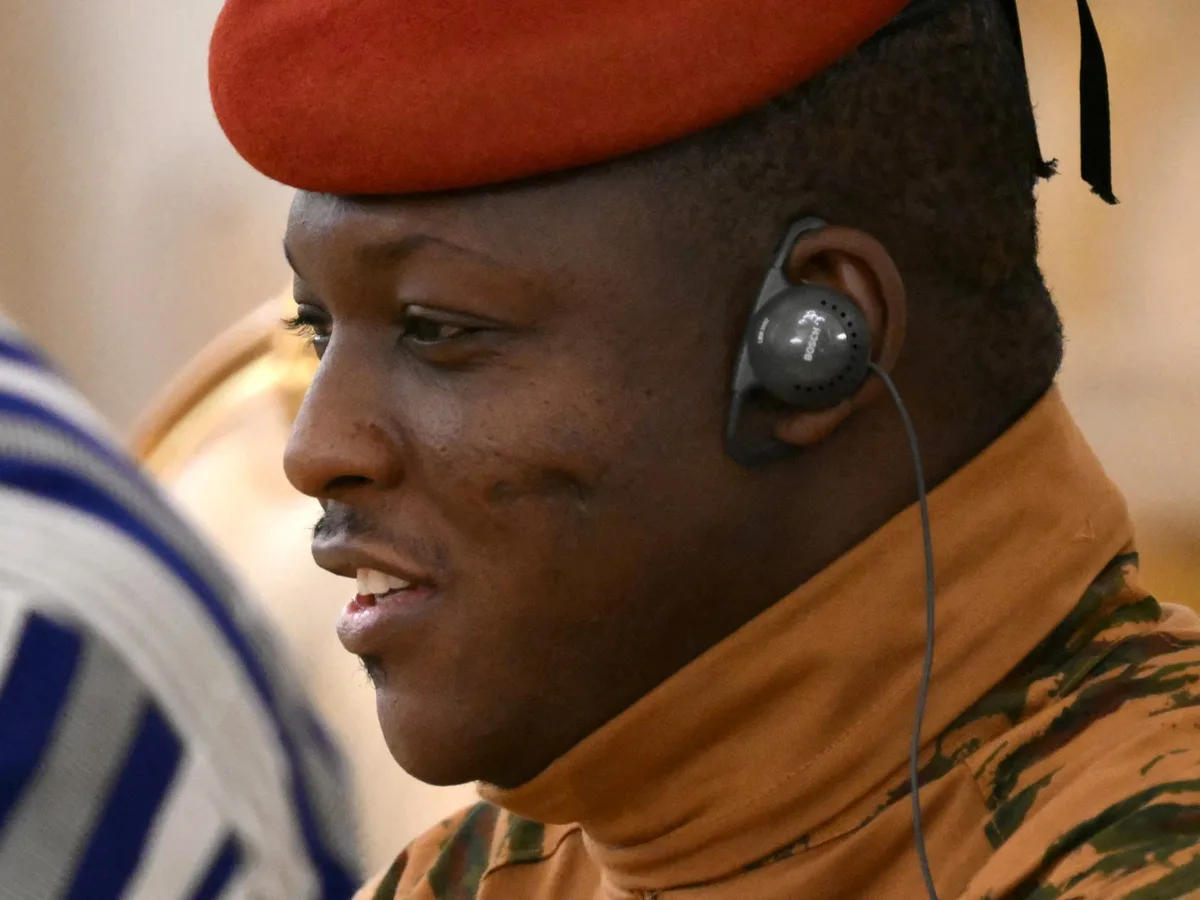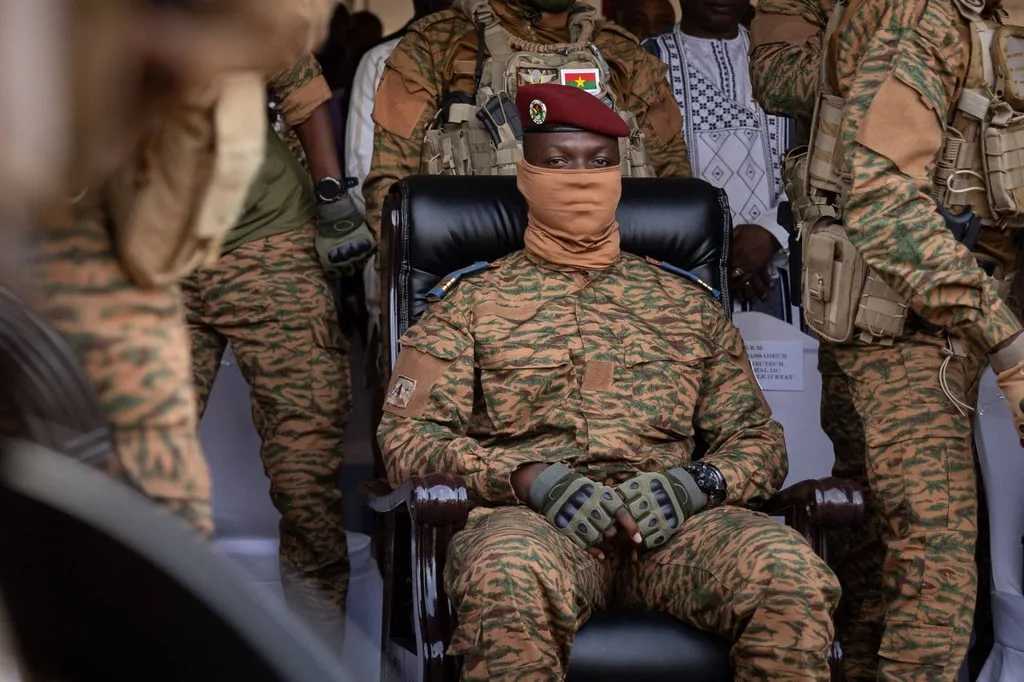
Burkina Faso's military junta officially severed diplomatic relations with France on June 26, 2026, citing persistent French interference and a lack of mutual respect and trust [1, 2, 3, 4, 5]. Communications Minister Gilbert Ouedraogo said, "The essential conditions for promoting relations based on mutual respect, reciprocal trust, respect for the principle of non-interference in internal affairs, and national sovereignty are not in place." [2].
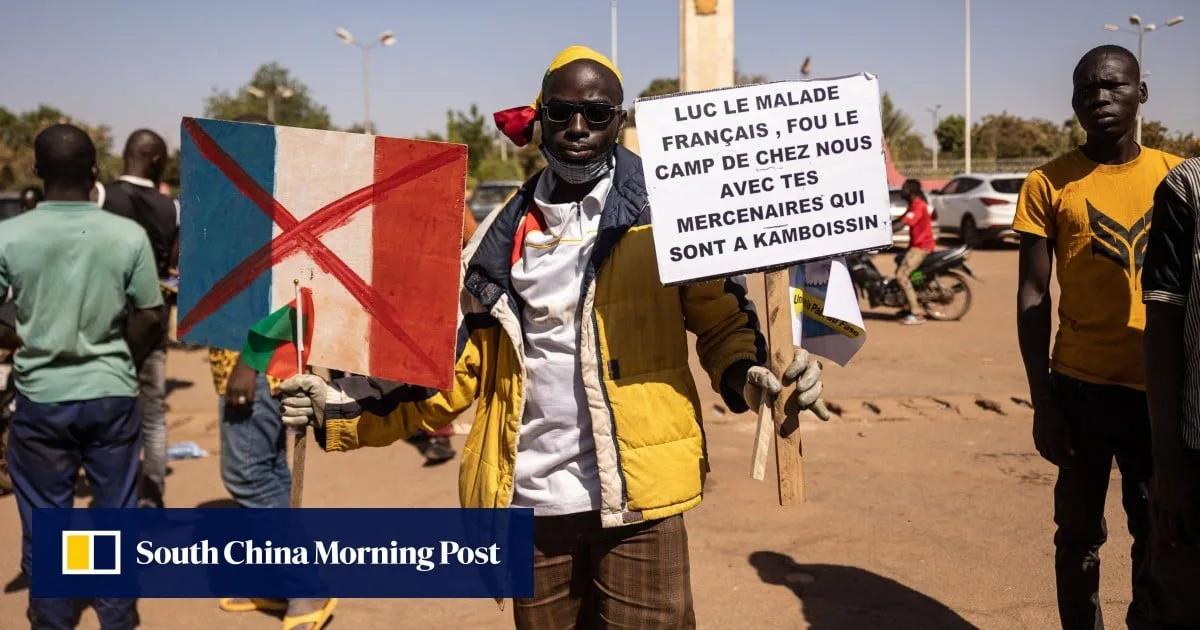
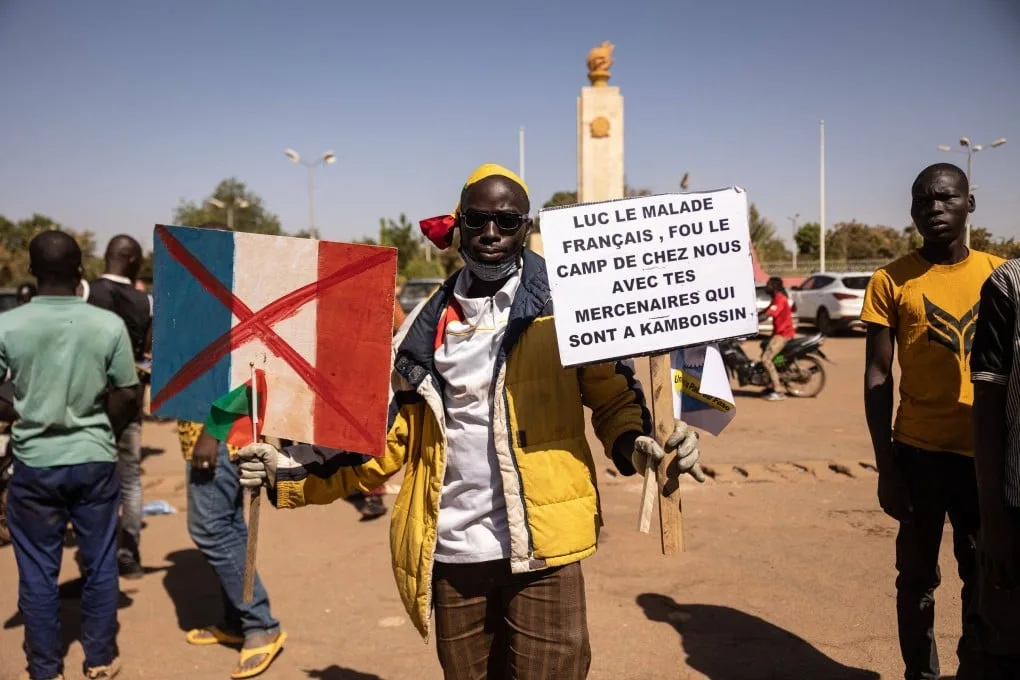
Burkina Faso accused France of neo-colonial ambitions, supporting subversive networks, and backing terrorist groups harming the Sahel region [1, 2, 3, 6, 4, 7, 5, 8]. Ouedraogo stated France was guilty of "ceaseless activism" against Burkina Faso [1]. The government said, "Faced with these imperialist ambitions aimed at dominating our country and subjugating our people, we have chosen responsibility and sovereignty." [5]
France condemned the decision as hostile and unfounded. The French Foreign Ministry said, "France regrets this hostile and unfounded decision, which illustrates the worrying drift of the Burkinabe authorities." It warned French nationals in Burkina Faso to exercise heightened caution [1, 9, 7, 8]. Burkina Faso called on its citizens to treat French nationals and other foreign residents with restraint and responsibility [10, 5].
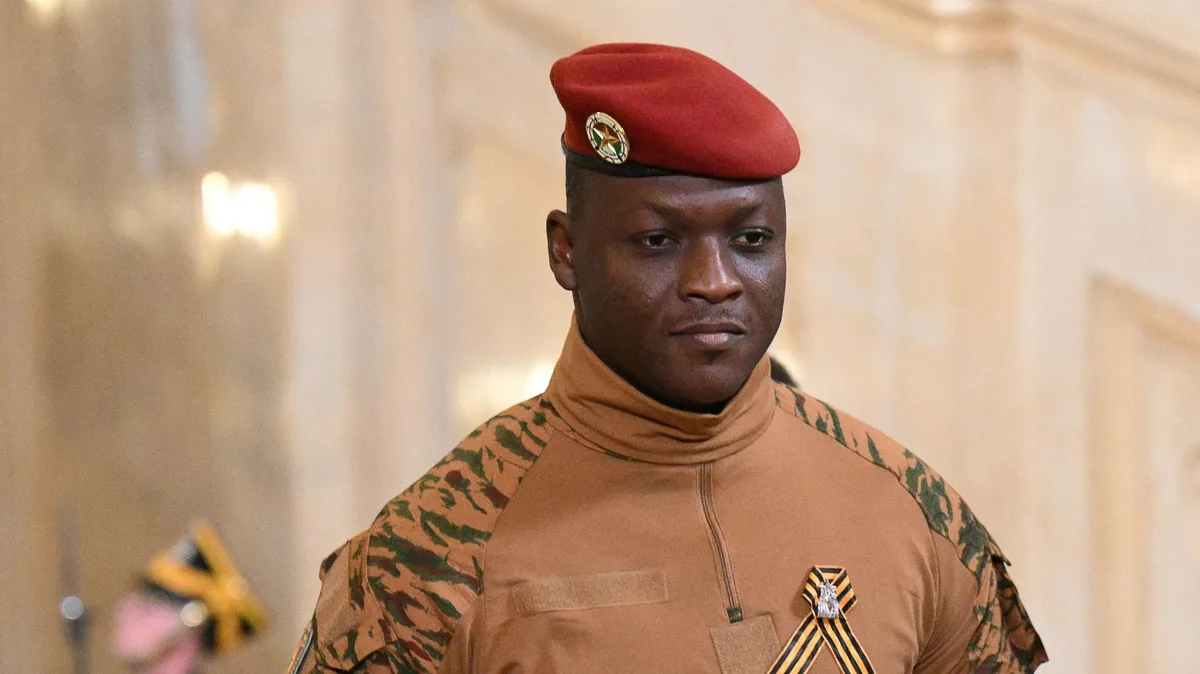
Captain Ibrahim Traore's military junta has ruled Burkina Faso since a coup in September 2022 and pursued anti-Western policies, including expelling French troops and diplomats [1, 3, 6, 4, 7, 8]. France has had no ambassador in Ouagadougou since January 2023, and Burkina Faso expelled three French diplomats in 2024 accusing them of subversive activities [1]. The junta dissolved all political parties in January 2026 despite pledges to restore democracy in 2024 [1, 4].
Burkina Faso faces Islamist insurgencies linked to al-Qaeda and ISIS that have caused thousands of deaths and mass displacement over the past decade [1, 2, 9, 3, 6, 4, 7, 8]. The country’s population is around 23 million [8].
The government emphasized the decision only affects official diplomatic ties, not the historical, cultural, and social links between the peoples of both countries. A statement said, "This decision concerns exclusively the institutional framework of relations but in no way calls into question the historical, human, cultural and social ties that unite the Burkinabe and French peoples." [1, 3, 6, 4, 10, 7, 5, 8]
Burkina Faso also announced plans to diversify its foreign partnerships and strengthen South-South cooperation to build balanced international relations [10, 5].