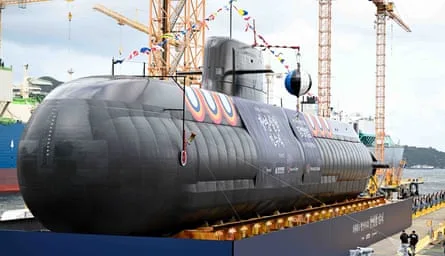
Canada announced on August 6, 2026, that it has selected ThyssenKrupp Marine Systems (TKMS), a German defense company, to construct 12 new submarines to replace its current aging force of four Victoria-class subs purchased used from Britain in 1998 [1, 2, 3, 4, 5]. The contract value for building these submarines is estimated between CAD 20 billion and 30 billion (USD 14 billion to 21 billion), with maintenance, operations, and upgrades potentially raising the total to CAD 50 billion (USD 35 billion) [1, 4, 5].
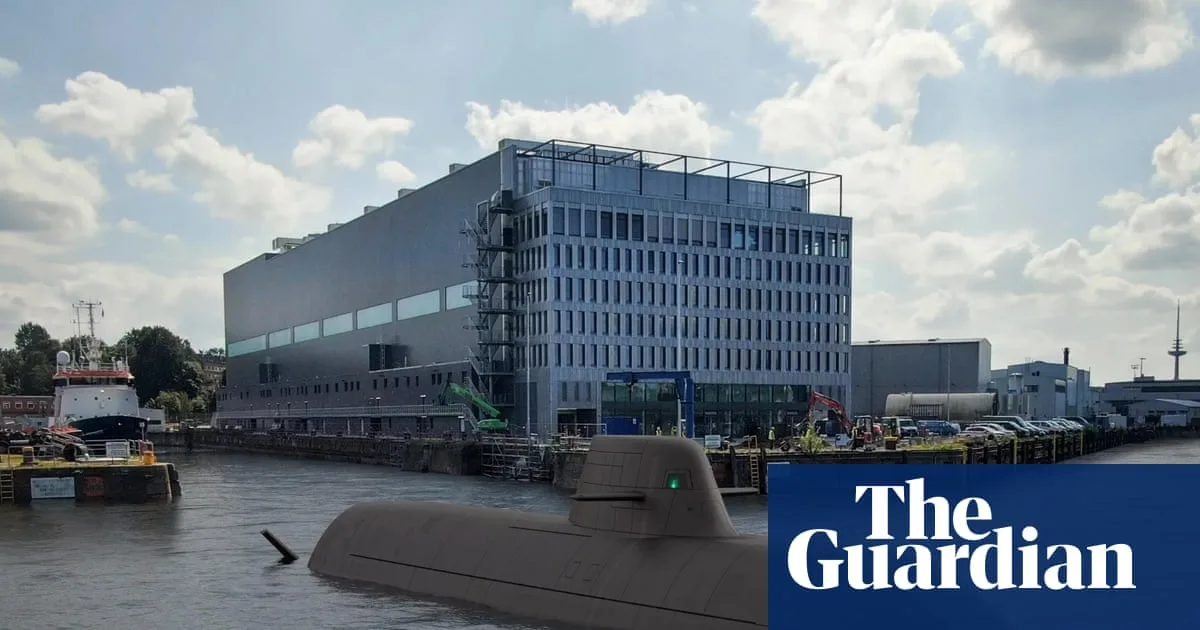
The Canadian fleet’s four Victoria-class submarines are all second-hand and three are now undergoing maintenance, underscoring the urgency to modernize the fleet [1, 4, 5]. The submarines built by TKMS will incorporate advanced stealth technology designed for operations in contested environments, including the Arctic and the strategically sensitive Northwest Passage [1, 5].
TKMS, majority-owned by Thyssenkrupp and partnered with Norway—both NATO members—won over South Korean firm Hanwha Ocean, which offered larger submarines with better deep ocean capabilities but lost the bid [1, 2, 3, 4, 6]. Following the decision, Hanwha Ocean’s shares dropped about 23% [6]. Asia Pacific Foundation of Canada expert Vina Nadjibulla said, "Canada's choice of TKMS should therefore not be read as a rejection of South Korea or the Indo-Pacific. It is better understood as a decision that reflects the enduring pull of NATO, Arctic capability, transatlantic defence-industrial integration and procurement risk" [6].
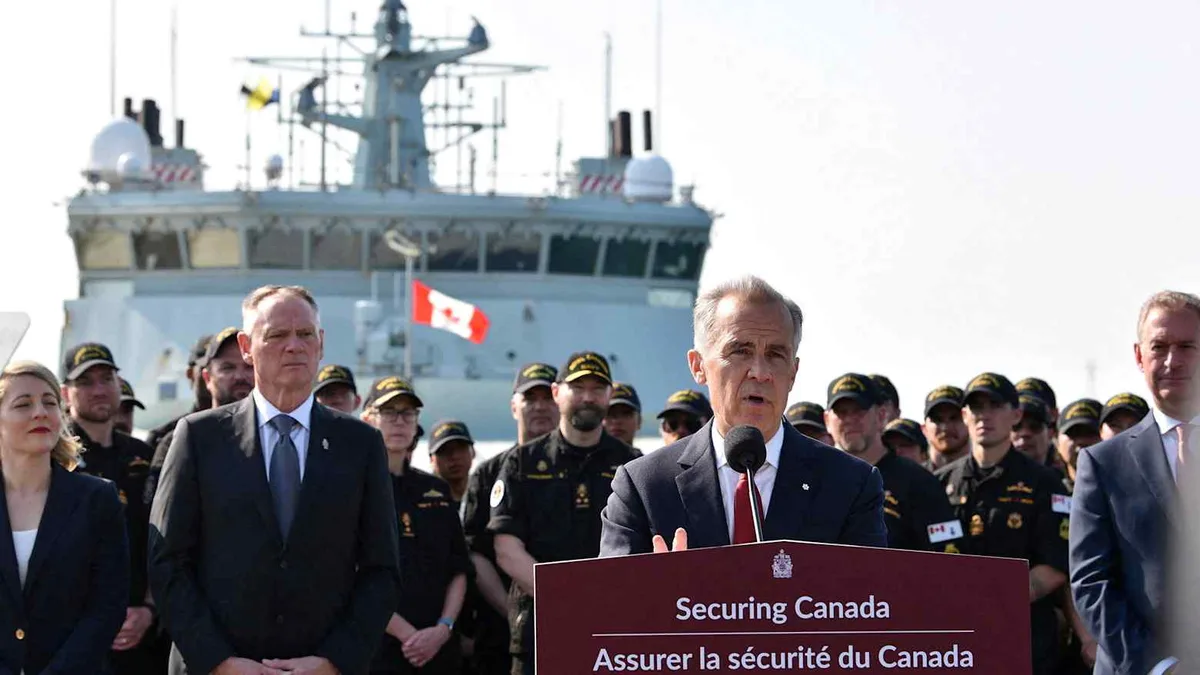
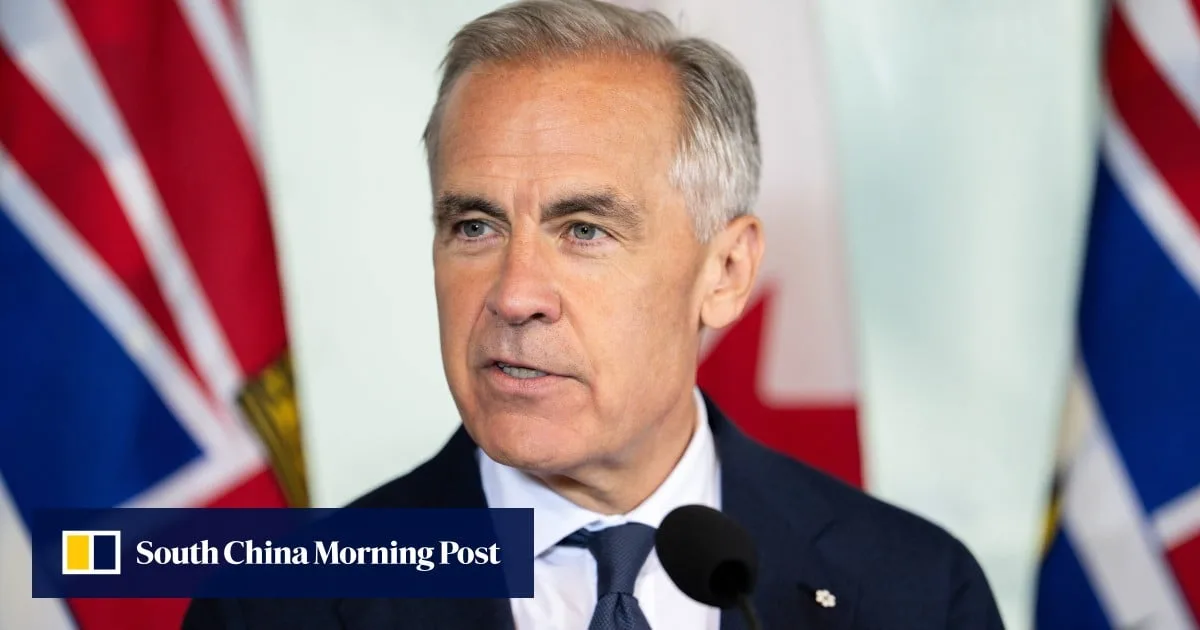
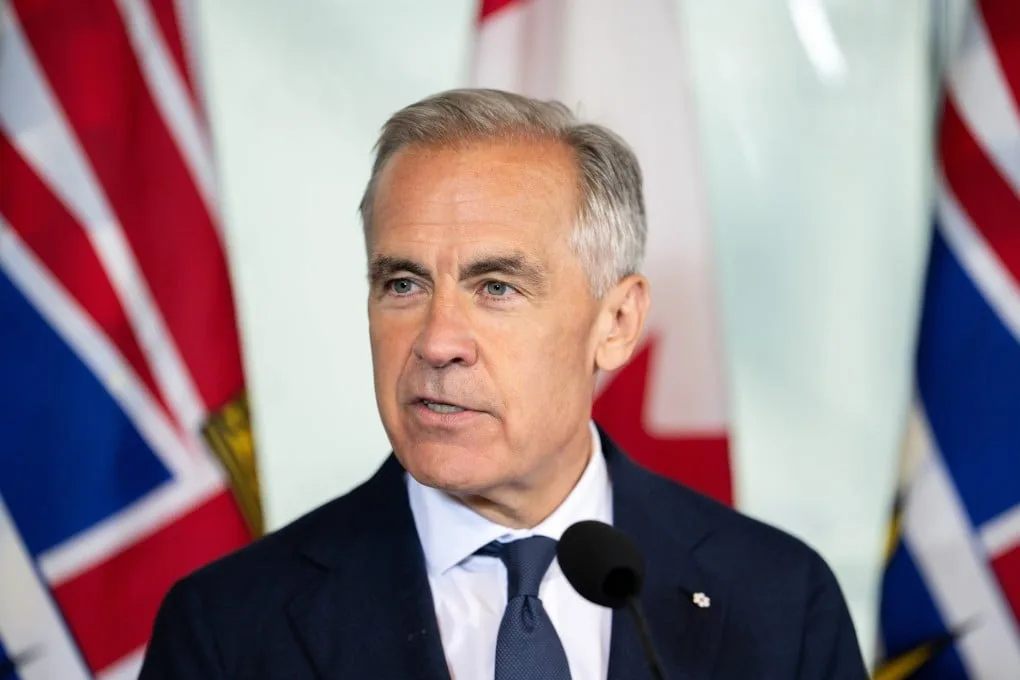
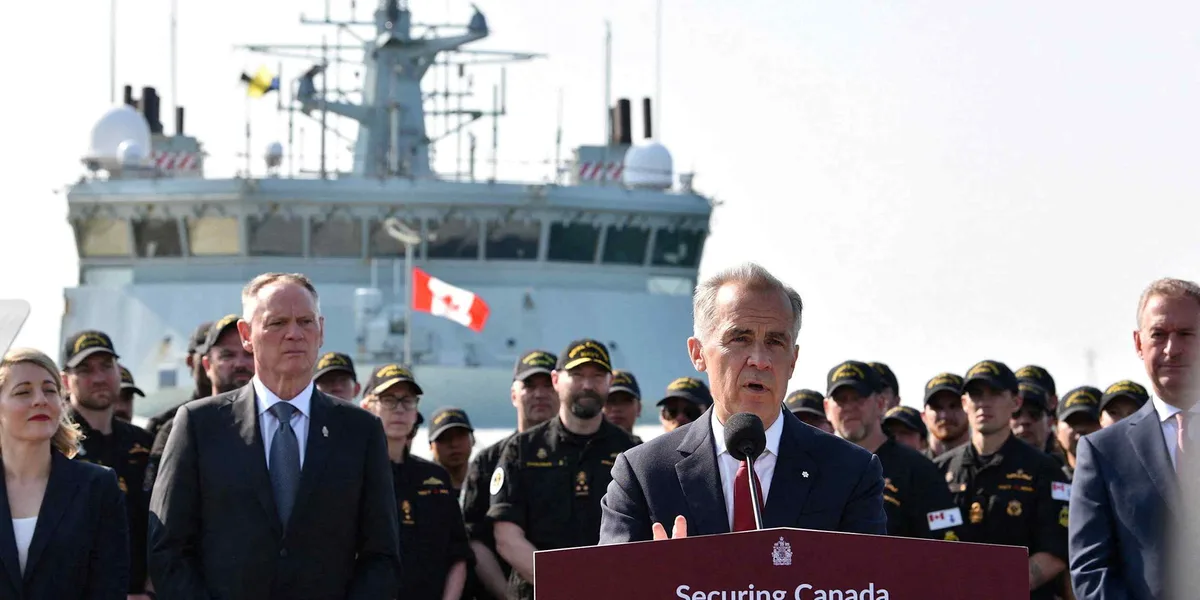
Prime Minister Mark Carney said, "Canada must be able to defend itself. The world is changing and Canada must change with it," stressing the importance of strengthening defense capabilities amid a shifting global security environment [1, 2, 4, 5]. Carney emphasized Canada’s commitment to its NATO obligations and announced, "As part of our commitments to defend Canada and support our allies, I am pleased to announce that Canada has selected TKMS" [2].
Canada has accelerated defense spending to meet NATO’s target of 2% of GDP earlier than planned, with NATO countries aiming to invest 5% of GDP in defense-related areas by 2035 [4]. This contract decision is seen as reinforcing Canada’s transatlantic defense partnerships amid recent US criticism of NATO commitments [2, 4, 6].
The evaluation process included visits by Carney and cabinet ministers in 2025 to both TKMS’s submarine facility in Kiel, Germany, and Hanwha’s South Korean shipyards [1]. The final contract is expected to be signed by late 2026 or at the latest by the end of 2027 [4, 5]. Delivery of the first new submarines is anticipated between 2032 and 2035, with full delivery of all 12 vessels set for completion by 2043 [4, 5].