Central and eastern European countries including Slovakia, Austria, Hungary, Poland, Italy, Germany, and Czechia experienced record-breaking high temperatures in early August 2026 during an intense heatwave [1, 2, 3, 4, 5, 6, 7, 8, 9]. Slovakia recorded a new national temperature record of 42.2°C at Dolné Plachtince on August 6, the highest ever measured in the country [1, 4, 6, 8]. Austria set an all-time high of 41.2°C on August 5 at Bad Deutsch-Altenburg near the Slovak border [2, 4, 5, 6, 10, 7, 8]. On August 4, Austria’s Vienna suburb Stammersdorf reached 40.8°C, also a new national record [2, 10, 8].
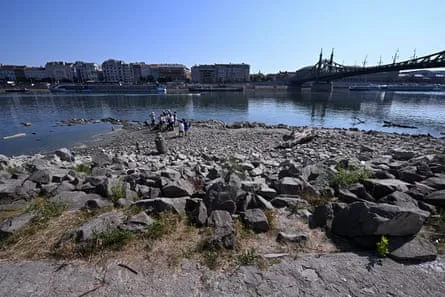
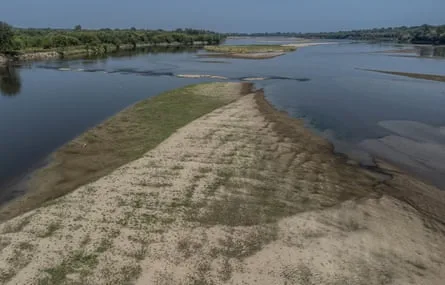
Hungary experienced extreme heat with an overnight temperature record of 28°C in Budapest on August 5, forcing the country’s only nuclear power plant to reduce output to about 10% of normal capacity due to low Danube water levels [1, 4, 5, 6, 7, 8, 9]. Hungary also imposed emergency energy-saving measures from August 3, asking households and businesses to cut power use during peak hours and turning off night lighting on over 300 landmarks [5, 6, 7, 9]. Poland shut down its Kozienice and Połaniec coal-fired power plants on August 6, cutting 1.3 gigawatts of power capacity due to inadequate cooling water from the low Vistula River [1].
Italy placed all 27 major cities under the highest heat alert on August 6, with temperatures around 40°C in many areas [4, 6, 7, 9]. Germany has suffered thousands of heat-related deaths this summer, with the Robert Koch Institute estimating 11,900 fatalities so far [1]. Moldova’s president Maia Sandu urged electricity and water conservation ahead of forecasted 38°C heat, warning that water shortages in Chisinau could become disastrous if not managed [8].
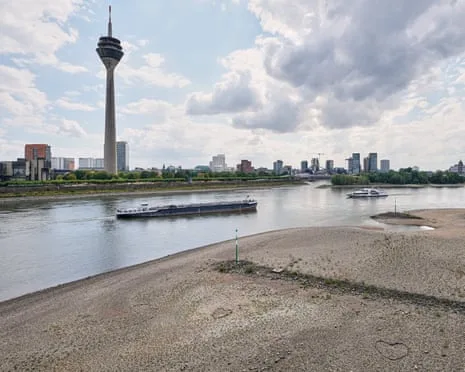
The heatwave has also caused wildfires and drought across southern Europe. Fires persisted in Greece’s Crete island, Albania’s Mallakaster region, southern France, and Spain amid strong heat and arid conditions [2, 3, 7, 8]. Strong northerly winds of 70 mph on August 29 caused sparks and increased wildfire risk on Crete [2]. Severe drought has impacted infrastructure and waterways. Austria recorded about 90% less rainfall in July 2026 in some areas and experienced a new highest July temperature count [10]. Low water levels on the Danube and Rhine rivers disrupted river freight transport and forced power plants in central Europe to reduce output, straining energy supplies [1, 4, 6, 8, 9].
The accelerated melting of Alpine glaciers is another consequence, linked to freezing levels rising above 4,000 meters from extreme heat [2]. Activist Annkatrin Schwirten of Fridays for Future Berlin said, “This extreme heat and its consequences are the result of a fossil fuel policy that is completely irresponsible and extremely dangerous. We must not become accustomed to thousands of heat-related deaths every summer” [1].
Hungarian Prime Minister Péter Magyar noted some improvement in river conditions but warned of ongoing energy demand: “Good news: we are already nine centimeters above the Danube’s Sunday low point, and rain is expected in the Austrian catchment areas. One of the turbines at the Paks nuclear power plant is operating. Regardless of this, on today’s hot day there will still be a strong need for voluntary reductions in electricity consumption” [1].
The heatwave’s impacts remain acute as Italy and neighboring countries maintain heat alerts and energy-saving measures into early August. Governments continue monitoring river levels and power supplies amid forecasted high temperatures and drought conditions.