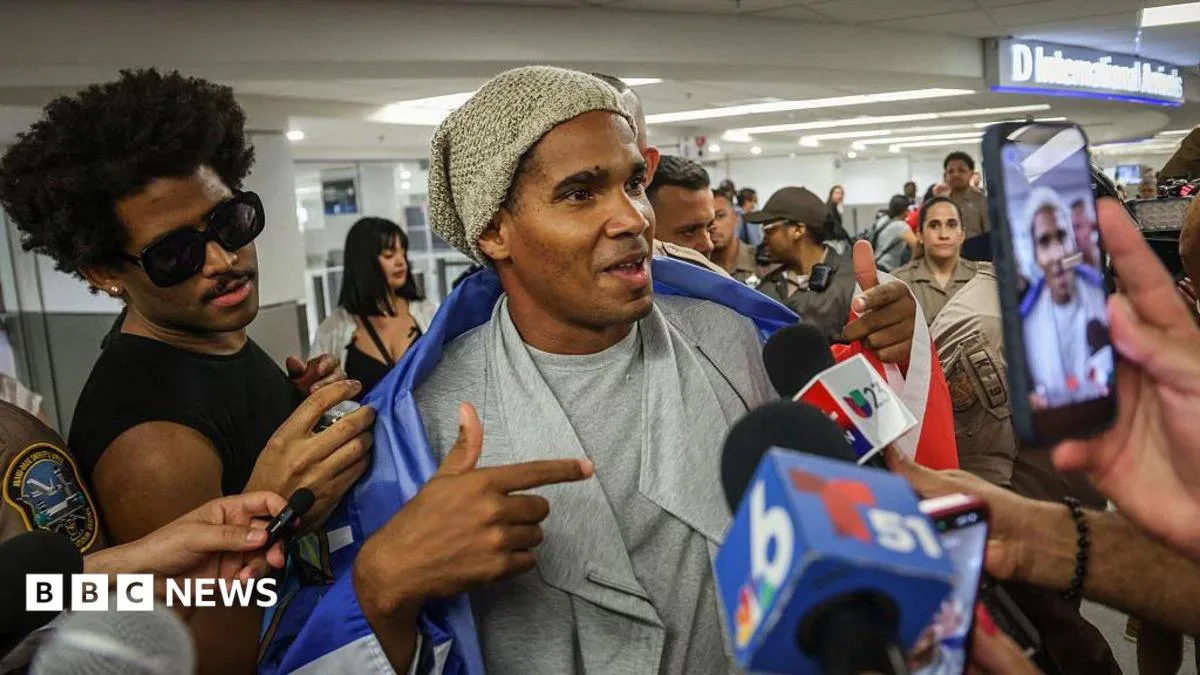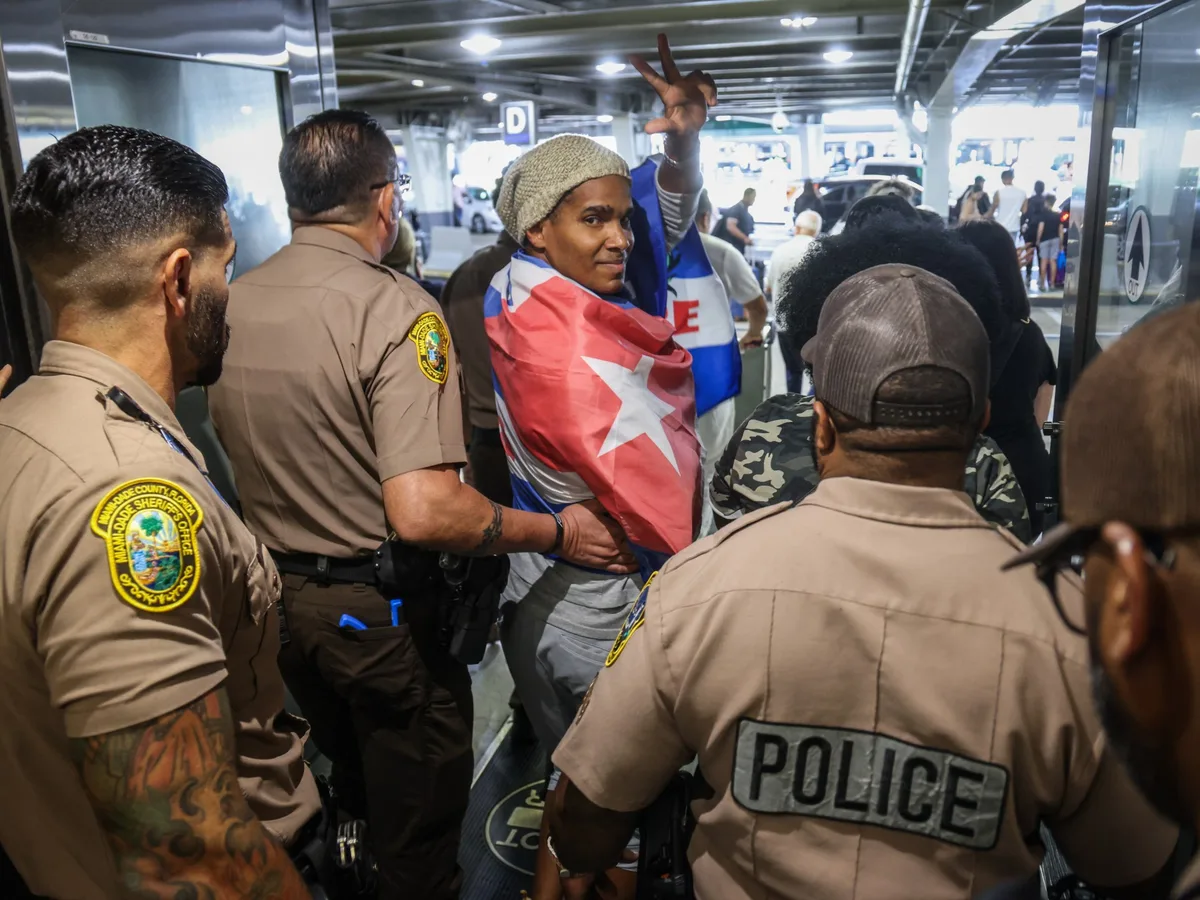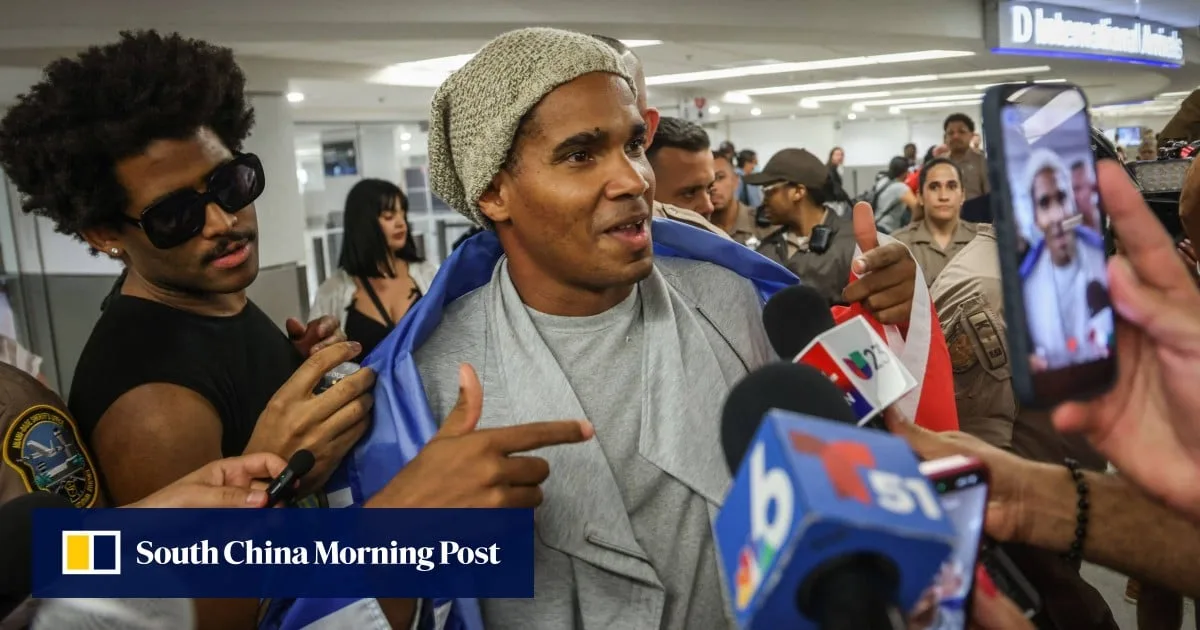
Luis Manuel Otero Alcántara, leader of Cuba's San Isidro Movement, arrived in the United States in exile last month after completing a five-year prison sentence in Cuba [1, 2, 3]. The 38-year-old dissident was sentenced in 2022 on charges including insulting national symbols, contempt, and disturbing public order [2, 3].
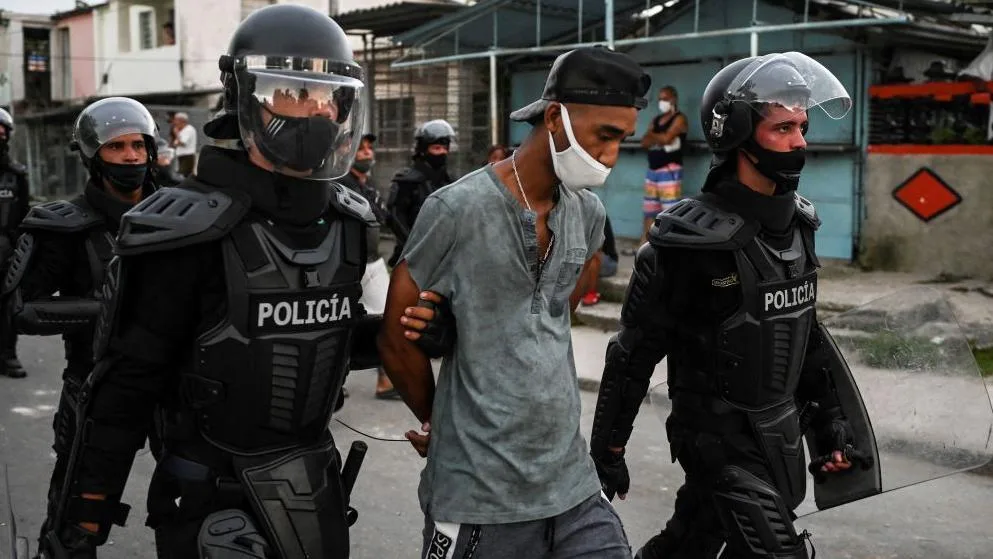
Otero Alcántara was detained during mass anti-government protests that shook Cuba in July 2021 [1, 2]. The San Isidro Movement, a collective of artists and intellectuals campaigning for freedom of speech and democracy in Cuba, has been at the forefront of dissent against the government [1, 3]. Cuban authorities accuse the group of receiving US funding to destabilize the state, charges denied by the movement [1].
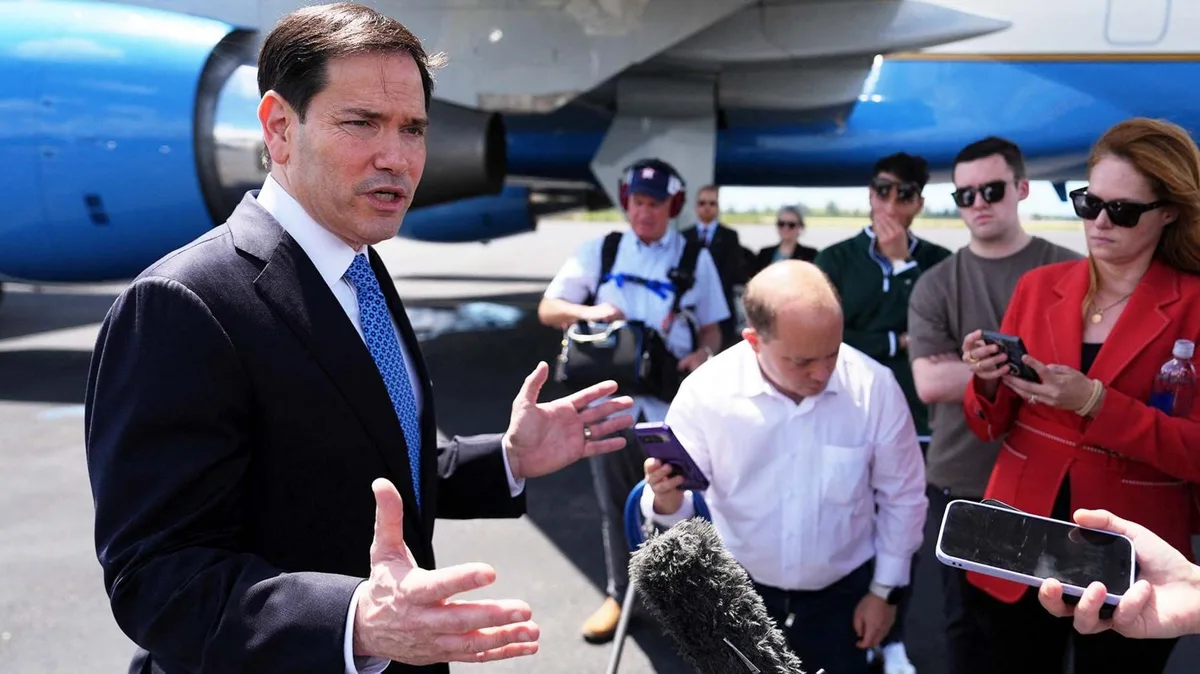
US Secretary of State Marco Rubio confirmed Otero Alcántara's arrival and called on Cuban authorities to release "the more than 700 unjustly detained political prisoners" still held by the regime [2, 3]. Rubio described Otero Alcántara's "only 'crime'" as refusing to stay silent and using art to demand basic freedoms denied to Cubans for nearly seven decades [1]. He added that despite repeated harassment, detention, and imprisonment, Otero Alcántara now finds himself in exile in the US [3].
Otero Alcántara told supporters, "I believe the dictatorship has to end, and the Castro dynasty has to end, as well. Because as long as there is a Castro in power, there will be corruption" [1]. His exile marks a new chapter amid elevated diplomatic tensions fueled by US sanctions and an oil blockade against Cuba [1, 3].
Otero Alcántara arrived in Miami on July 18 or 19, greeted by supporters who hailed his release and exile as a victory for Cuban dissidents [1, 2, 3]. The transfer to the US follows his prison sentence for political offenses related to his activism.
The unfolding situation remains tense as Washington presses for the release of remaining political prisoners and Cuba maintains its firm stance against dissent. The US government continues to monitor the status of political prisoners and advocates for further humanitarian considerations [2, 3].