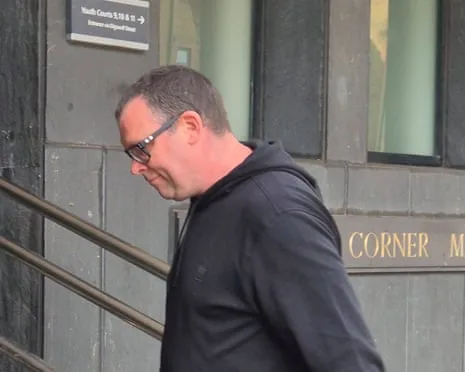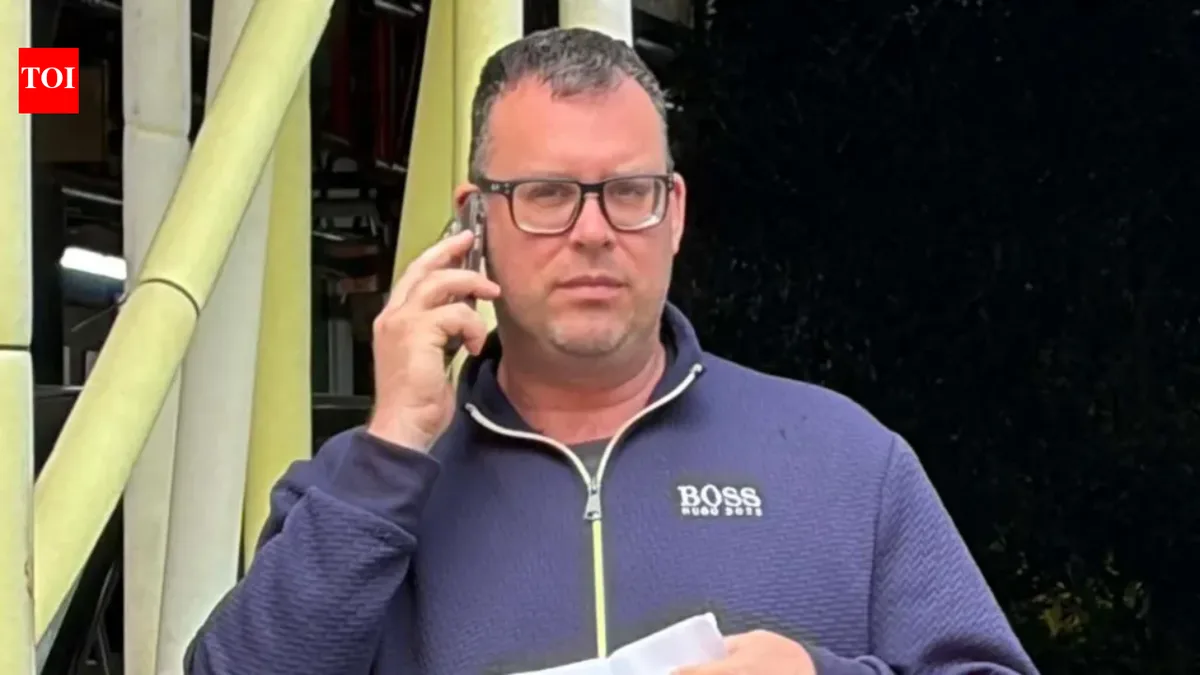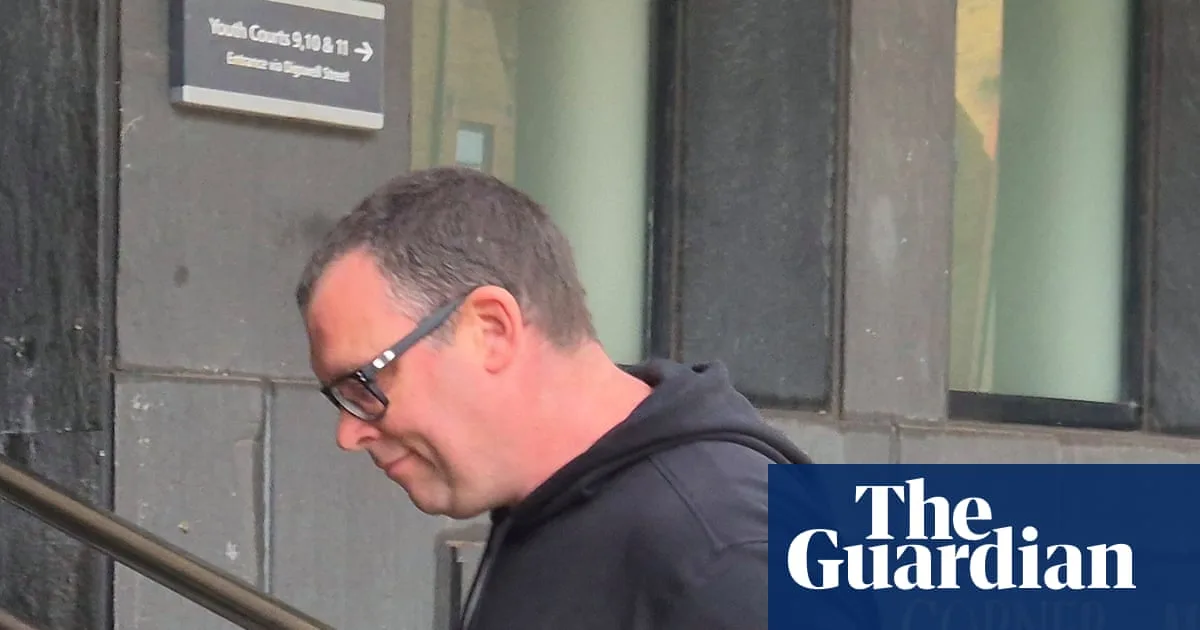
David Stroud, 44, became the first individual sentenced under the UK’s new harassment law targeting sex-motivated harassment after an incident on 3 April 2026 on a train traveling from Hastings to London [1, 2].
Stroud grabbed a woman’s hair, called her ‘magical,’ leaned towards her repeatedly, and asked, ‘can I kiss you?’ [1, 2]. The woman rejected his advances, told him to stop, and later described feeling ‘trapped, powerless and petrified’ as a result [2]. She said, “I always feel the need to have company when I leave the house now. I can never truly go anywhere on my own, simply because I'm a woman.” [2].
British Transport Police arrested Stroud at London Bridge station shortly after the incident [1, 2]. At the time, he was already on bail related to a separate 22-month stalking campaign involving his ex-partner’s adult daughter [1, 2].
Stroud pleaded guilty to both the harassment and stalking offenses. On 8 June 2026, he was sentenced to a 12-month community order that includes 15 days of rehabilitation activity and 150 hours of unpaid work [1, 2].
The new offence, created under section 4B of the Public Order Act 1986, came into force on 1 April 2026 to address harassment motivated by sex in public spaces such as streets, parks, and public transport [1, 2]. It carries penalties of up to two years imprisonment [1].
Since the law’s introduction, British Transport Police have arrested 26 men under it, showing enforcement is underway [1]. Det Supt Sam Painter of BTP said, “We recognise that this offending, in terms of the scale and the nature of it, has been going on for too long.” [1]. Crown Prosecution Service's Olivia Rose added, “This deals with that, because otherwise we would find that there would be cases that might fall within that gap.” [1].
The next scheduled review of the law’s impact has not been announced, but enforcement is ongoing as investigations and arrests continue across the public transport network.