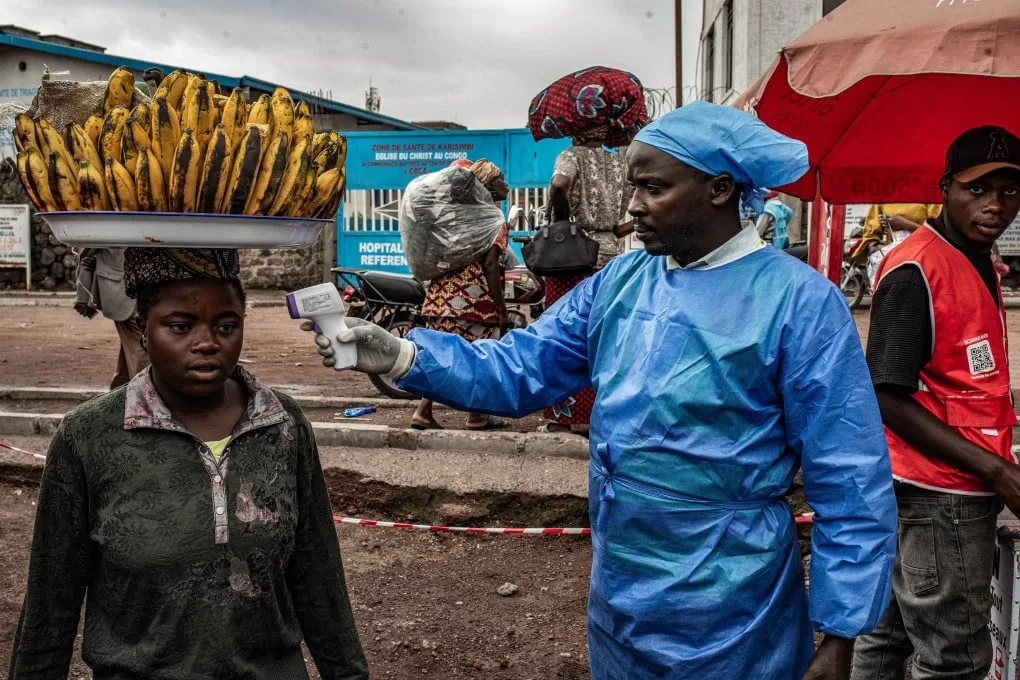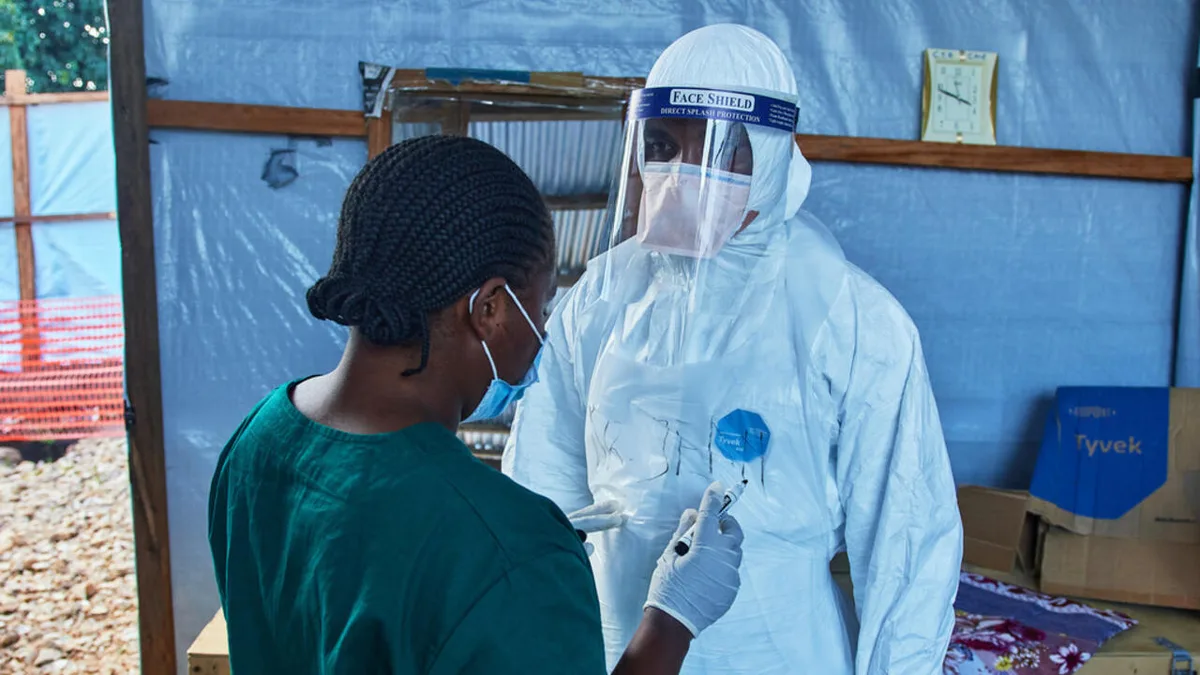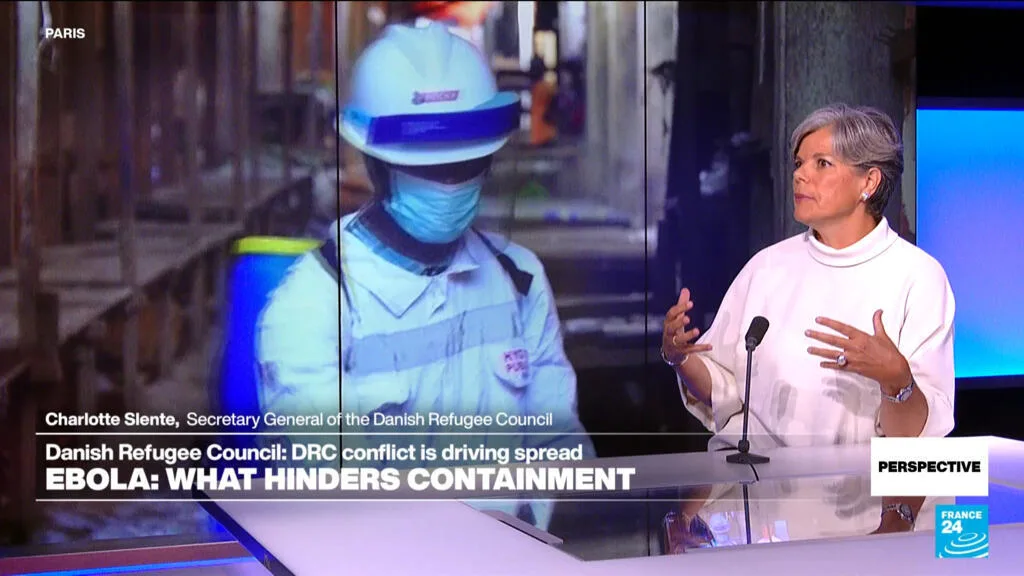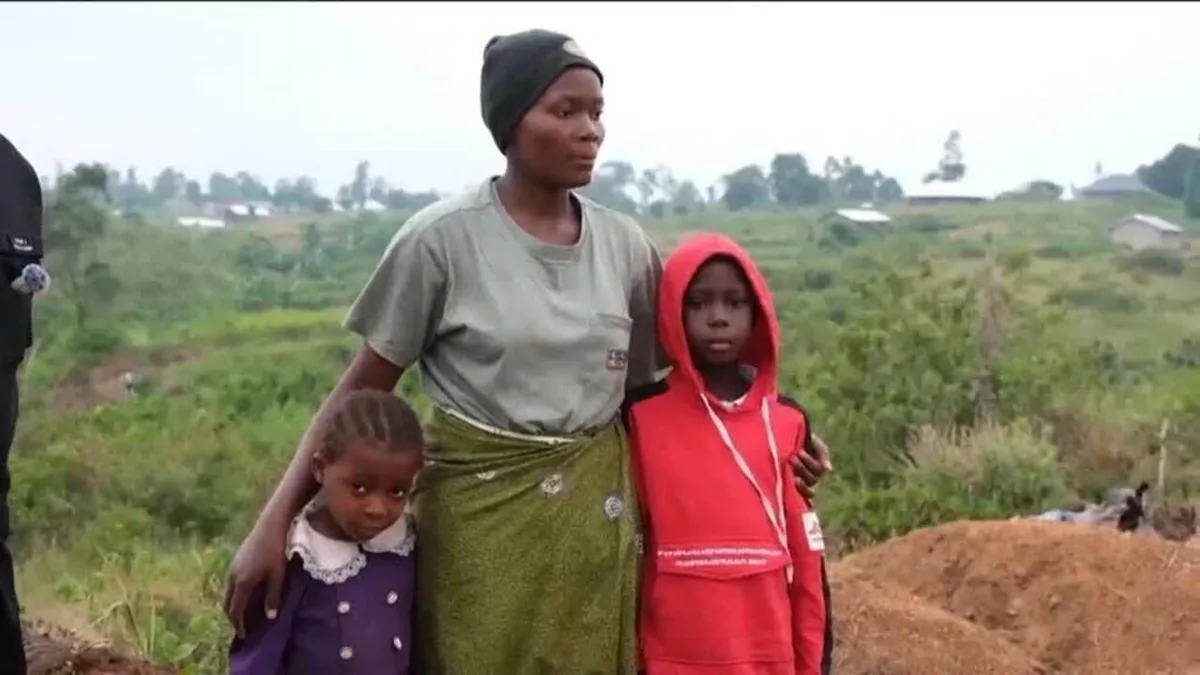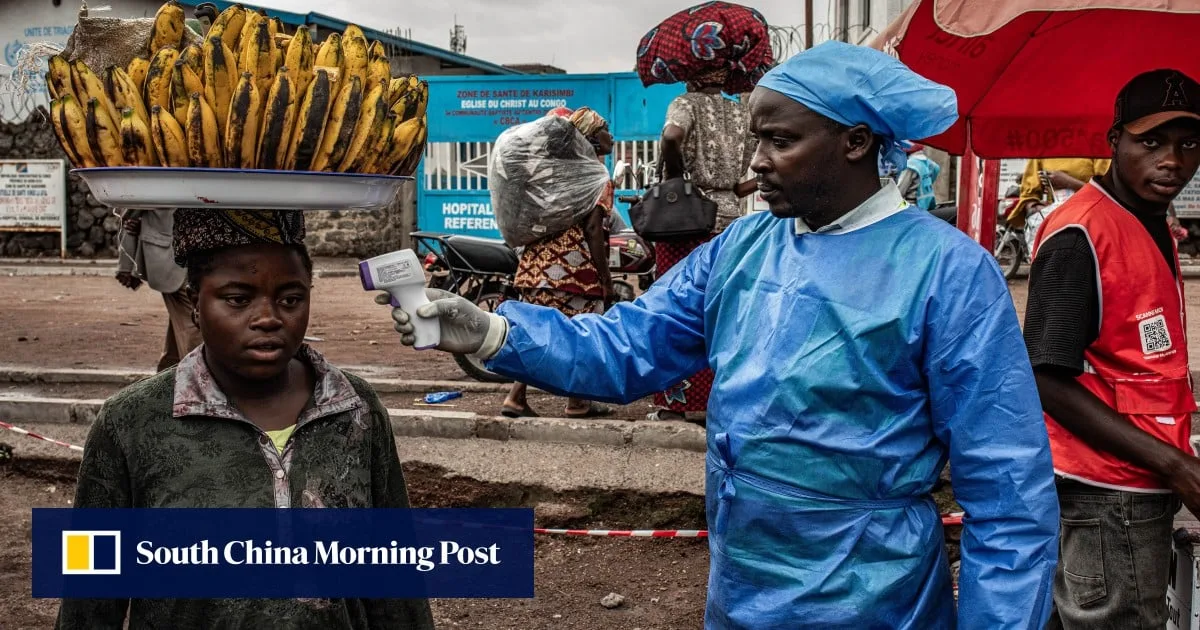
The Ebola outbreak in the Democratic Republic of Congo (DR Congo) is the fastest growing ever recorded and is caused by the Bundibugyo virus strain. As of July 11, 2026, the outbreak has resulted in at least 1,830 confirmed cases and 648 deaths in the country [1]. Wessam Mankoula of Africa CDC described it as "the fastest growing Ebola outbreak ever, not only among the previous Bundibugyo outbreaks, but all the different viruses that are causing Ebola" [2].
The outbreak was first declared on May 15, 2026, and since then cases have doubled approximately every 28 days [2, 3, 1]. On May 17, 2026, the World Health Organization (WHO) classified the outbreak as a Public Health Emergency of International Concern [1].
The epidemic remains concentrated in the Ituri, North Kivu, and South Kivu provinces. More recently, cases have spread to Tshopo and Haut-Uele provinces, with two suspected cases reported in Kisangani, Tshopo on July 10 [3, 4, 1]. Neighboring Uganda has confirmed 20 cases including two deaths [3, 1].
Community deaths occurring before hospitalization remain high. Investigation found that of 430 reported deaths, 400 occurred before patients reached treatment centers, indicating delays in care seeking [4]. Recovery numbers vary by source but range between 285 and 780 patients who have survived the infection [3, 4, 1]. Anne Ancia, WHO Representative in DR Congo, said, "The outbreak continues to expand, and its true scale has not yet been fully established" [3].
In response, on July 2, a clinical trial began in DR Congo testing two treatments for Bundibugyo Ebola: the MBP134 monoclonal antibody and remdesivir antiviral [3]. Donors and partners have pledged approximately $910 million to support Ebola response efforts in DR Congo and Uganda [1]. Africa CDC is deploying specialized expert teams to priority zones that make up 83 percent of cases. Jean Kaseya, Africa CDC Director General, said, "That is why Africa’s ability to detect, respond, and contain outbreaks must be built where health threats emerge - in communities, through trusted health workers, strong surveillance systems, and rapid access to financing" [1].
The next major milestone will be monitoring the outcomes of the ongoing treatment trials which started in early July to determine effective therapies for the Bundibugyo strain. Containment and care efforts continue amid the rapid spread in eastern DR Congo and the bordering regions.