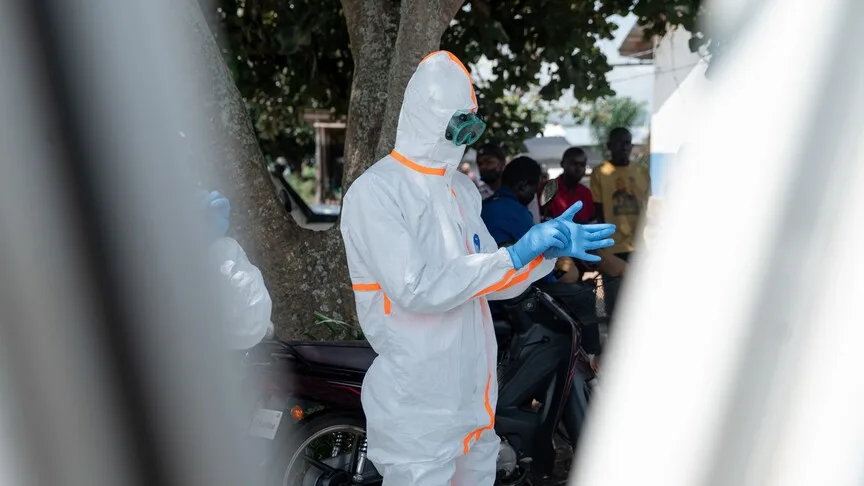
The Democratic Republic of Congo (DRC) is battling its deadliest Ebola outbreak in history, caused by the Bundibugyo species of the virus. Over 2,476 deaths and more than 5,200 confirmed cases have been reported as of mid-August 2026 across six provinces in eastern and northern DRC [1, 2].
The World Health Organization (WHO) declared the outbreak a public health emergency of international concern, warning that the virus is spreading exponentially in northeastern regions [3, 2]. It affects 56 health zones across Haut-Uele, Ituri, North Kivu, South Kivu, Bas-Uele, and Tshopo provinces [2].
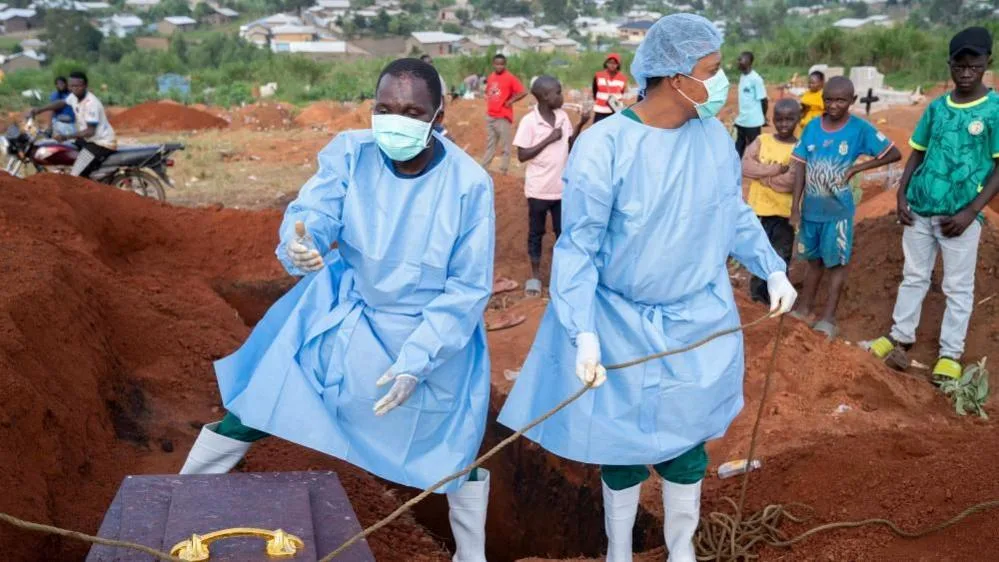
One challenge to outbreak control has been local conflict, mistrust of authorities, traditional burial practices, and initial misdiagnosis of cases as typhoid or malaria, allowing unchecked virus spread since around February 2026 [3]. The M23 rebel group in North Kivu has imposed a one-month suspension of shared taxis and passenger boats between its territory and government-controlled areas to limit transmission [3].
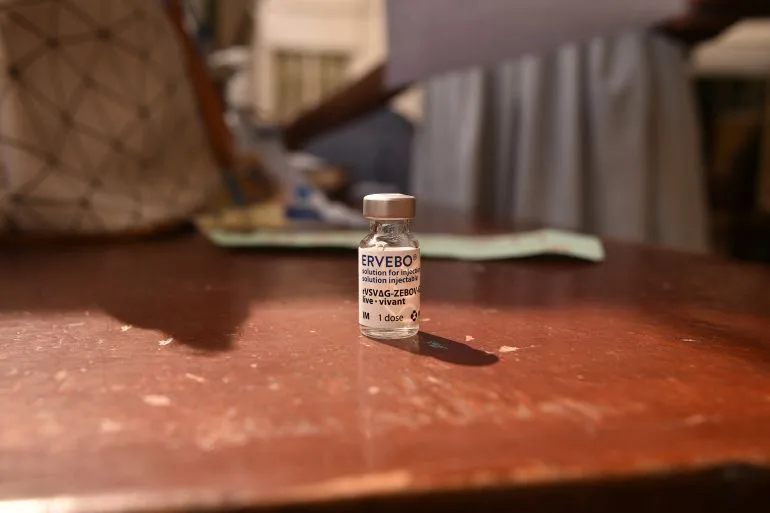
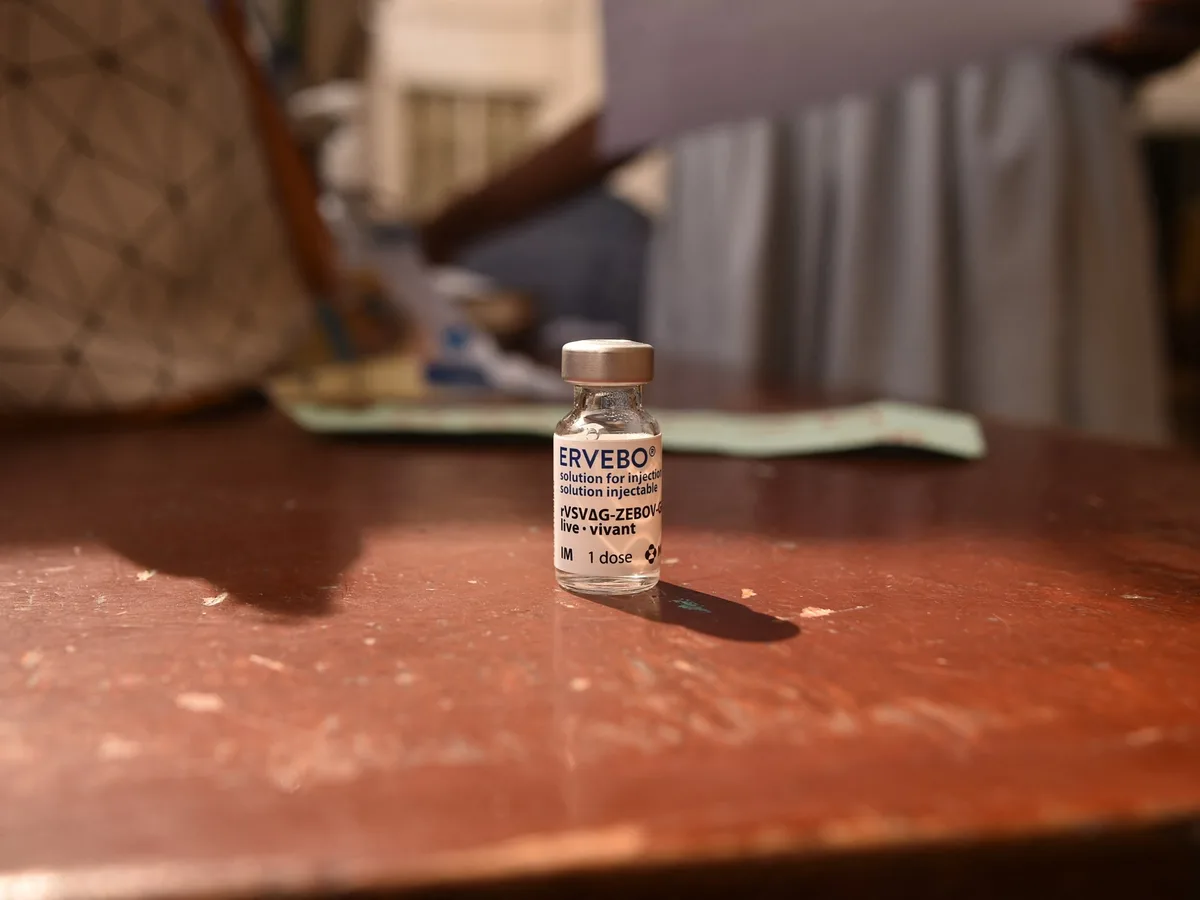
To combat the outbreak, the DRC requested and received 70,000 doses of the Ervebo vaccine between August 13 and 20 from the global stockpile [1, 2]. Ervebo is licensed for the Zaire Ebola virus but not for Bundibugyo, and it is unknown if the vaccine protects humans against the Bundibugyo strain [3, 1]. WHO described the allocation as a vital reinforcement in response efforts, calling it "an important example of global solidarity in action," according to Tedros Adhanom Ghebreyesus [3, 2].
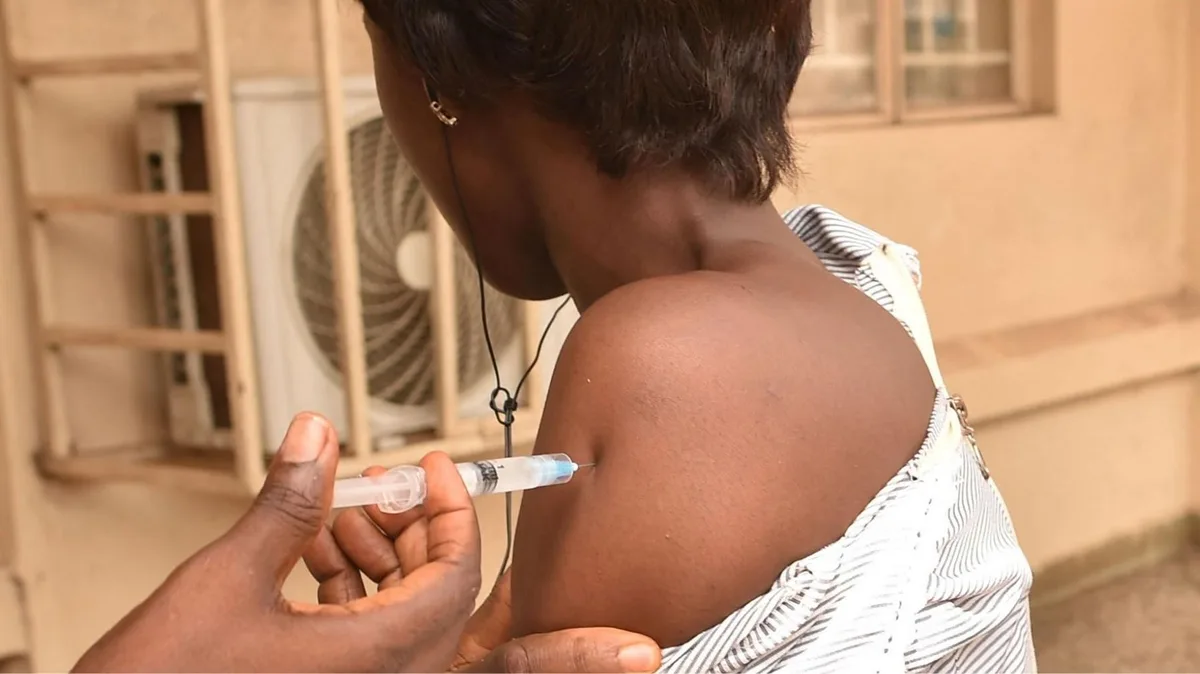
Of the doses received, 20,000 will be used in a Phase 3 clinical trial to assess Ervebo’s effectiveness against Bundibugyo Ebola. The remaining 50,000 doses will be administered to frontline and healthcare workers at high risk [3, 1, 2].
Gavi is providing $13 million in funding to support vaccine shipping and vaccination efforts targeted at high-risk areas of the outbreak [1].
Currently, about 730 Ebola patients remain isolated or hospitalized, while 1,115 have recovered. The outbreak’s case fatality rate stands at approximately 47.5% [2].
Efforts continue to scale vaccination and containment activities amid ongoing virus spread and community resistance. The M23 rebel group’s travel restrictions started August 22 for one month [3]. The vaccine trial and frontline vaccination program underway represent critical new steps in combating the outbreak.
![Health workers stand in a new Ebola treatment center during a visit of Tedros Adhanom Ghebreyesus, Director-General of the World Health Organization (WHO), in Bunia, in the northeastern Democratic Republic of the Congo. [May 31: AFP]](/uploads/2026/08/20/5e519e238862b0ce3743d6d0.webp)