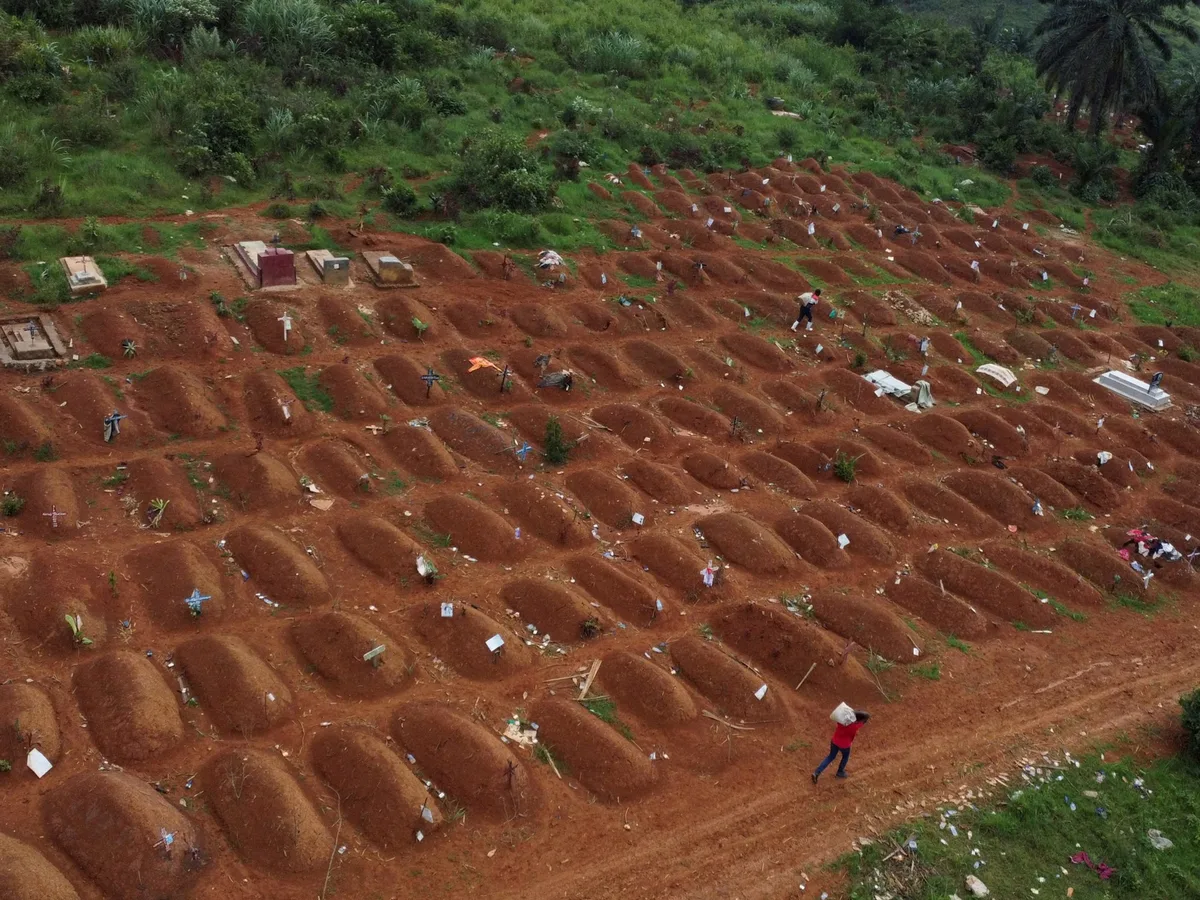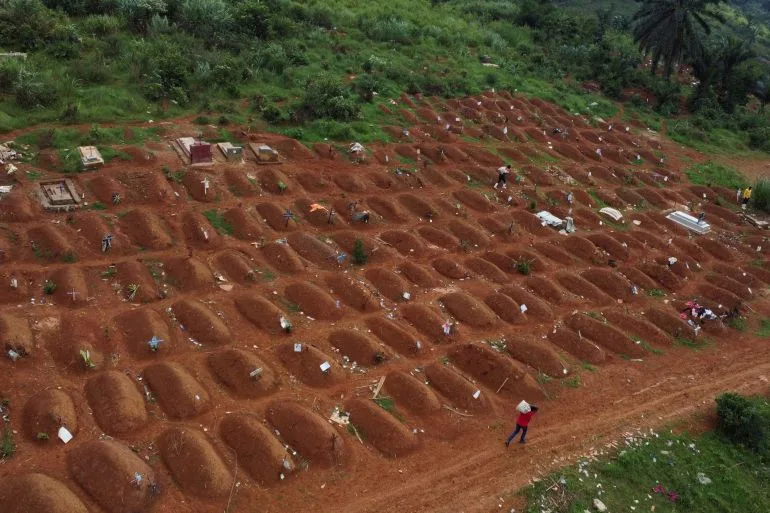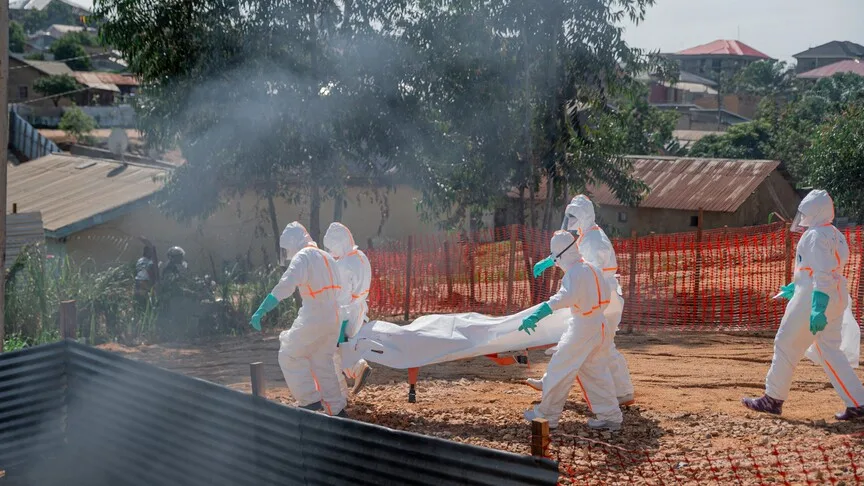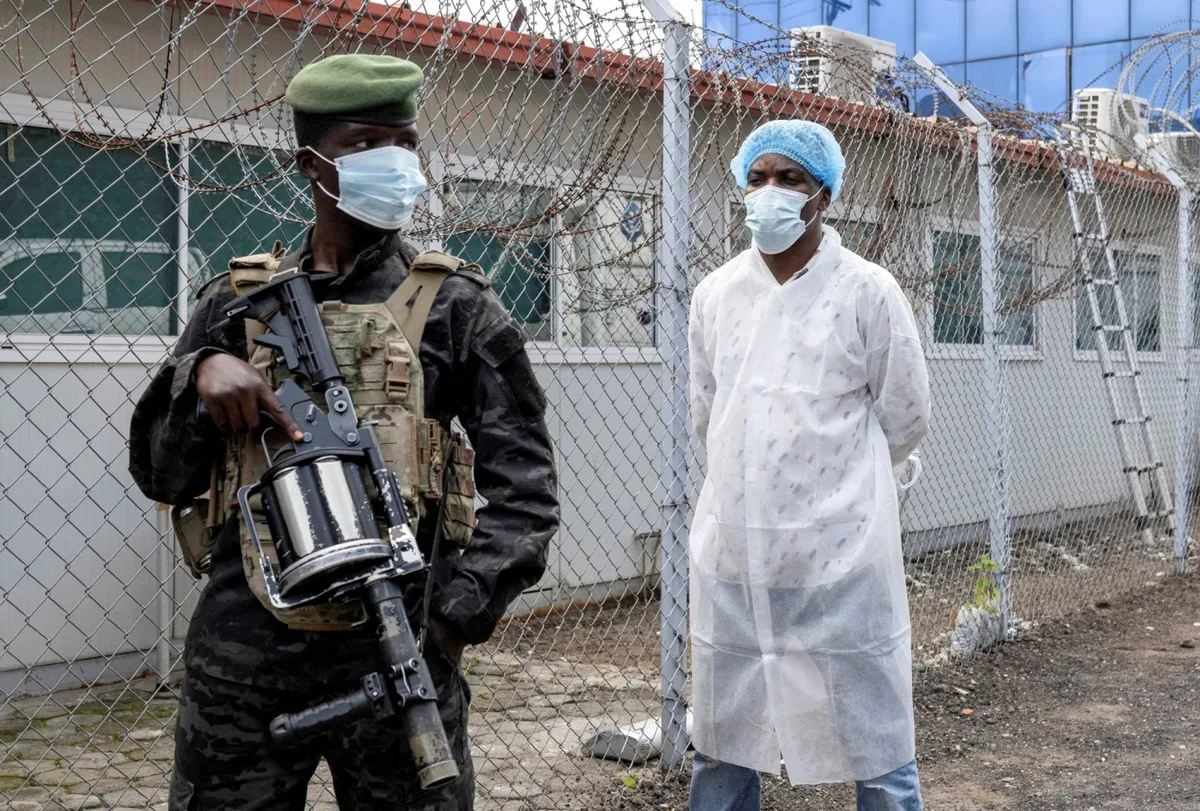
The Ebola outbreak in the Democratic Republic of Congo (DRC) began in May 2026 and has become the deadliest and fastest-growing in the country's history, with more than 3,000 deaths and over 6,200 confirmed cases reported by early September 2026 [1, 2]. The virus has spread across 60 health zones in six provinces, covering an area roughly the size of the United Kingdom [1, 2].
Complicating efforts to contain the outbreak are ongoing conflict, poor infrastructure, healthcare worker strikes, and cultural burial practices that contribute to virus transmission [1]. The Africa Centers for Disease Control and Prevention (Africa CDC) and the World Health Organization (WHO) are working closely to strengthen control measures and prioritize the crisis [2].
However, identifying and breaking all chains of transmission remains a challenge. WHO Director-General Tedros Adhanom Ghebreyesus warned on September 2 that up to 80% of new cases occur outside known contacts, saying, "That means there are chains of transmission we don’t know about." He added that despite competing priorities and reduced humanitarian funding, controlling the epidemic is possible if action is taken [1].
Financial constraints are a major obstacle, with a funding gap exceeding $1 billion hampering the humanitarian response [1]. Administrative issues also affect response efforts: in August 2026, six Ebola checkpoints in northeastern Congo stopped reporting due to unpaid staff, while authorities uncovered inflated payrolls at Ebola centers [3].
Reopening schools in the worst-hit areas after initial plans for remote learning was a recent decision driven by concerns that prolonged closures would harm students more than the virus itself [1]. Meanwhile, WHO has limited the use of the Ervebo vaccine to research protocols for Bundibugyo virus outbreaks, citing insufficient evidence for broader application [2].
Africa CDC Director-General Jean Kaseya said, "Despite the considerable efforts of the government and partners, we are not yet where we need to be. We will not relent until this outbreak is brought under control." The immediate focus remains on identifying and breaking every transmission chain to curb further spread [2, 1].