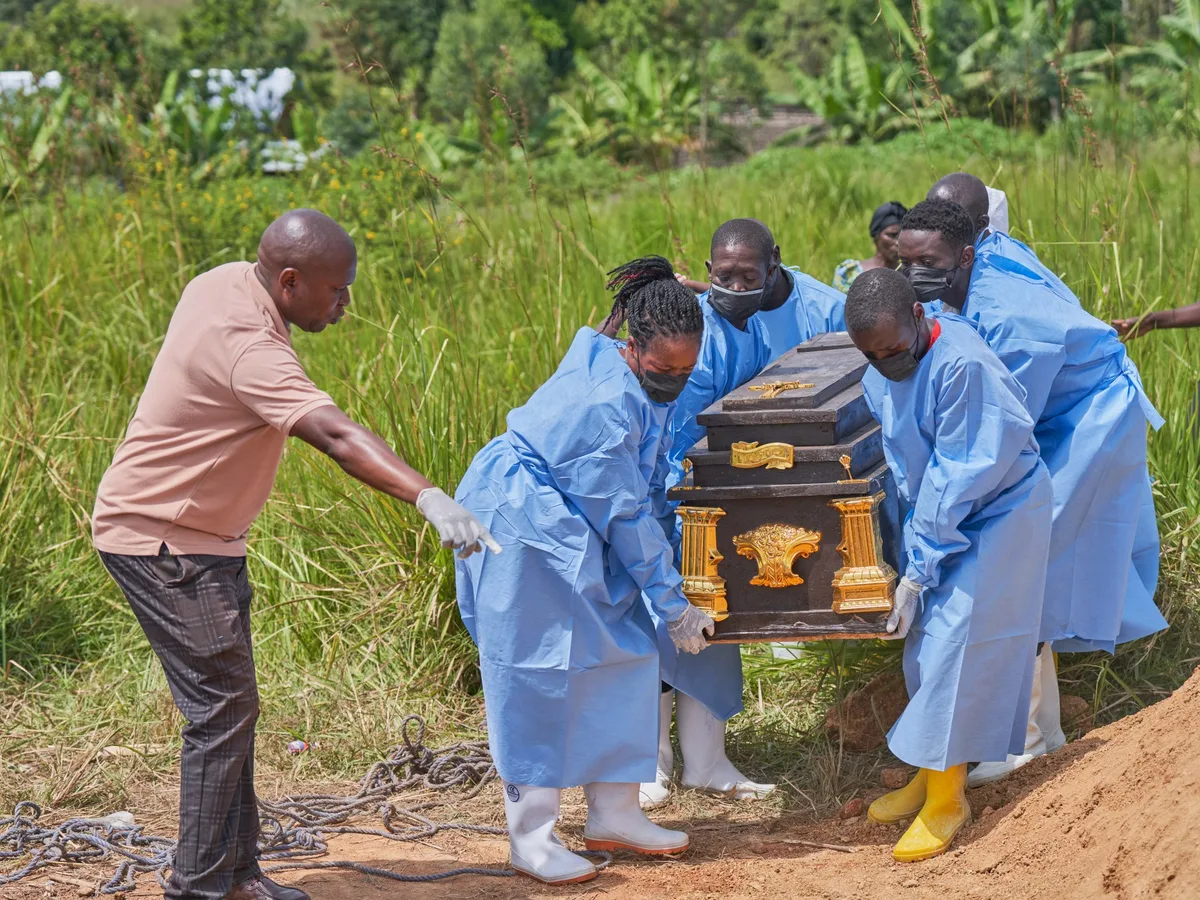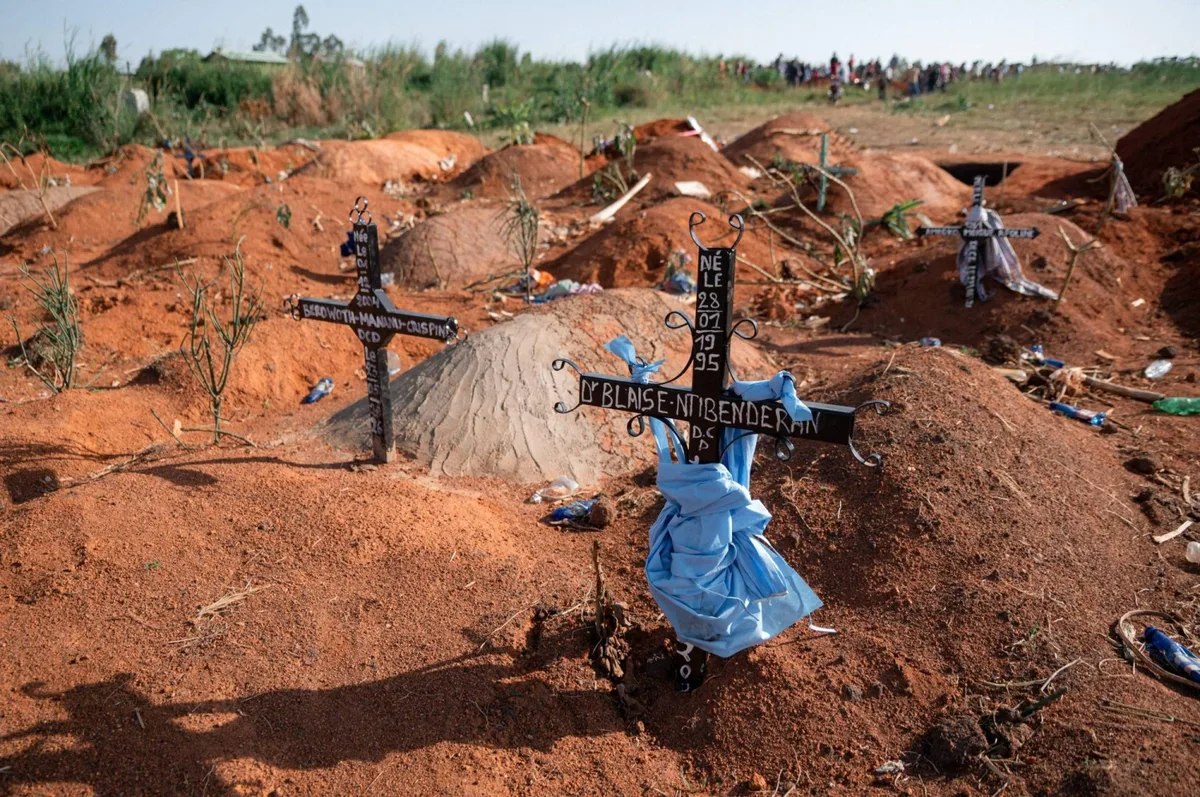
The Ebola outbreak in the Democratic Republic of Congo (DRC) has surpassed 800 confirmed cases, with the death toll reaching between 178 and 192 people, health authorities reported [1, 2]. The strain involved is the rare Bundibugyo virus, which currently has no approved vaccines or treatments, worsening containment efforts [1, 2].
The outbreak originated in Ituri province, which accounts for over 90%—and nearly 95% according to some reports—of confirmed cases in the country [1, 2]. Contact tracing coverage in the DRC is low and declining, with estimates ranging from 56.5% to just above 60%, making it difficult to track and isolate cases effectively [1, 2].
Ongoing conflict and insecurity in eastern DRC have displaced nearly 1 million people, complicating the response and allowing the virus to spread in hard-to-reach areas [1, 2]. Many patients arrive late at treatment centers, often without being identified previously as contacts, adding to the strain on medical facilities [2]. Doctors Without Borders warned that the full extent of the outbreak may be larger than official counts indicate. Kate White, the group’s national emergency medical coordinator, said, "No one knows the true scale or exactly where the disease is spreading in DRC. Most treatment centers in Ituri province are overwhelmed" [2].
The outbreak has crossed the border into neighboring Uganda, where confirmed Ebola cases have also been reported, raising regional alarm [1, 2]. In response, the DRC and Uganda have agreed to deploy mobile laboratories and clinics near their shared border to enhance testing and treatment capacity [2].
On June 16, the African Union announced plans to hold an emergency summit to support the Ebola response and raise $518 million in funding to curb the outbreak [2]. Jean Kaseya, director general of Africa CDC, said, "We remain committed to supporting affected countries until transmission is stopped. We call on partners and donors to urgently mobilise resources to strengthen the response and save lives" [1].
On June 14, the DRC recorded a single-day spike of 72 new Ebola cases and 29 deaths, marking a record daily increase that underscored the rapid spread of the disease [1]. As of June 15, Congo’s National Institute reported 808 confirmed cases and 192 deaths, while the Ministry of Public Health cited slightly lower case and death figures [1, 2].
Efforts continue to enhance contact tracing and medical capacity amid security challenges and population displacement. The next critical step is the African Union’s emergency summit, scheduled to accelerate funding and coordinated regional efforts [2].