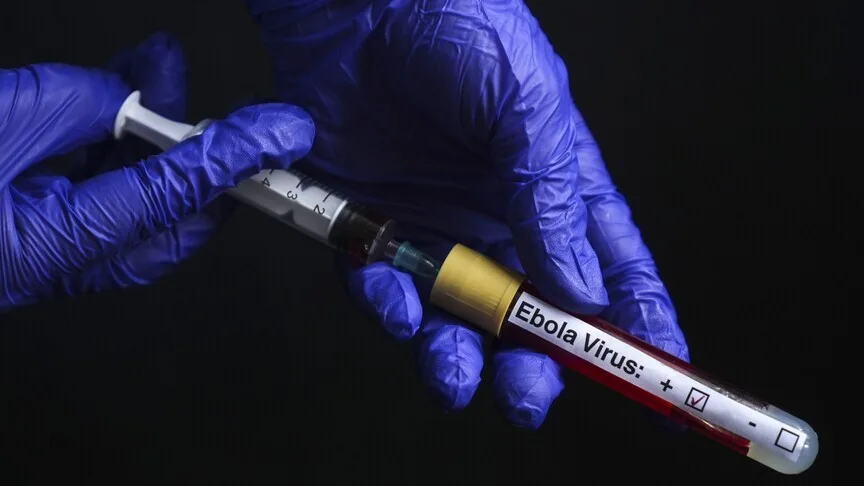
The Ebola outbreak in eastern Democratic Republic of Congo (DRC) has reached 676 confirmed cases and 136 deaths as of mid-June 2026, officials said [1, 2]. The outbreak involves the rare Bundibugyo strain of the virus.
The epidemic has spread across new areas in the provinces of Ituri, North Kivu, and South Kivu, now impacting 34 health zones [1, 2]. Local community transmission is occurring in many of these newly affected areas.
Olivier le Polain, WHO’s head of epidemiology and analytics, said, "Almost every day, cases are being identified in new health zones. That reflects really the scale of this outbreak: a scale that is much bigger than what is being detected, and the high mobility of the population" [1].
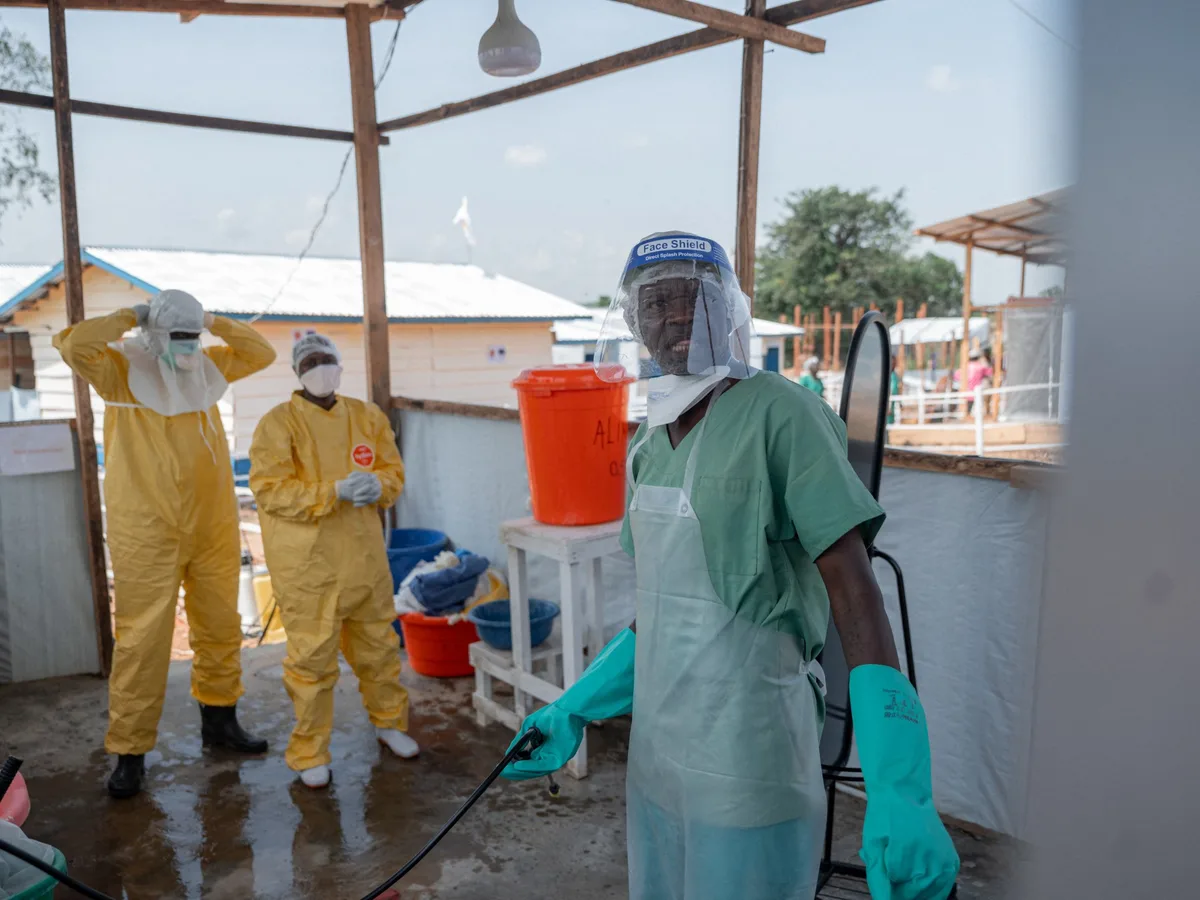
Response efforts include expanded contact tracing, surveillance, testing, laboratory capacity, logistics, infection prevention, clinical care, and risk communication [1, 2]. However, these measures remain insufficient to curb spread fully. Le Polain added, "The full scale of the outbreak is not yet clear. Surveillance, contact tracing and testing are still being expanded" [2].
Seventeen hotspot health zones have been identified where intensified support is needed, according to WHO and Congolese health authorities [2]. Population mobility and insecurity in the eastern DRC further complicate epidemic control efforts [2].
So far, 32 patients have recovered. No approved vaccines or treatments exist against the Bundibugyo strain, leaving supportive care as the main option [1].
The outbreak was declared on May 15, 2026, and since then it has continued to expand with both new cases and deaths reported daily [1]. Efforts remain focused on increasing surveillance and response capacity to control the spread.