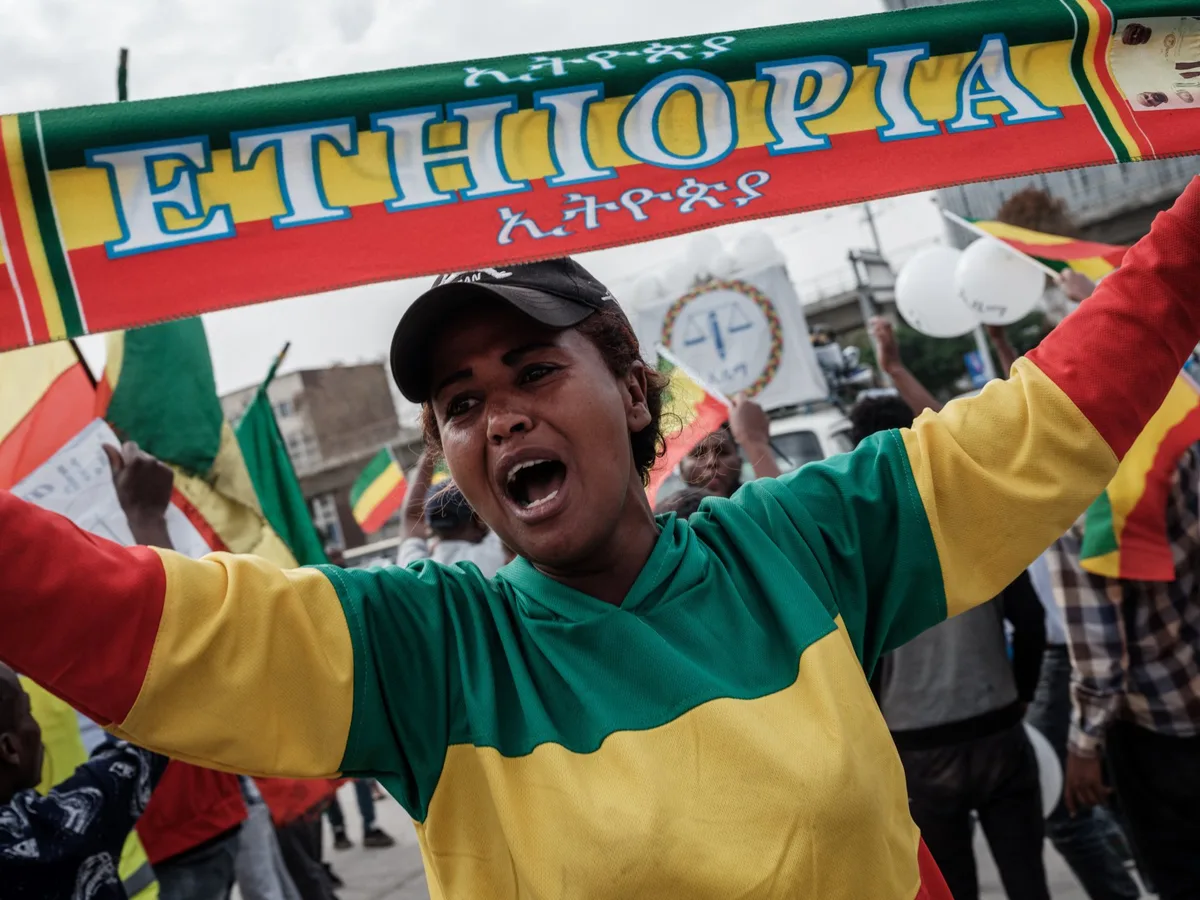
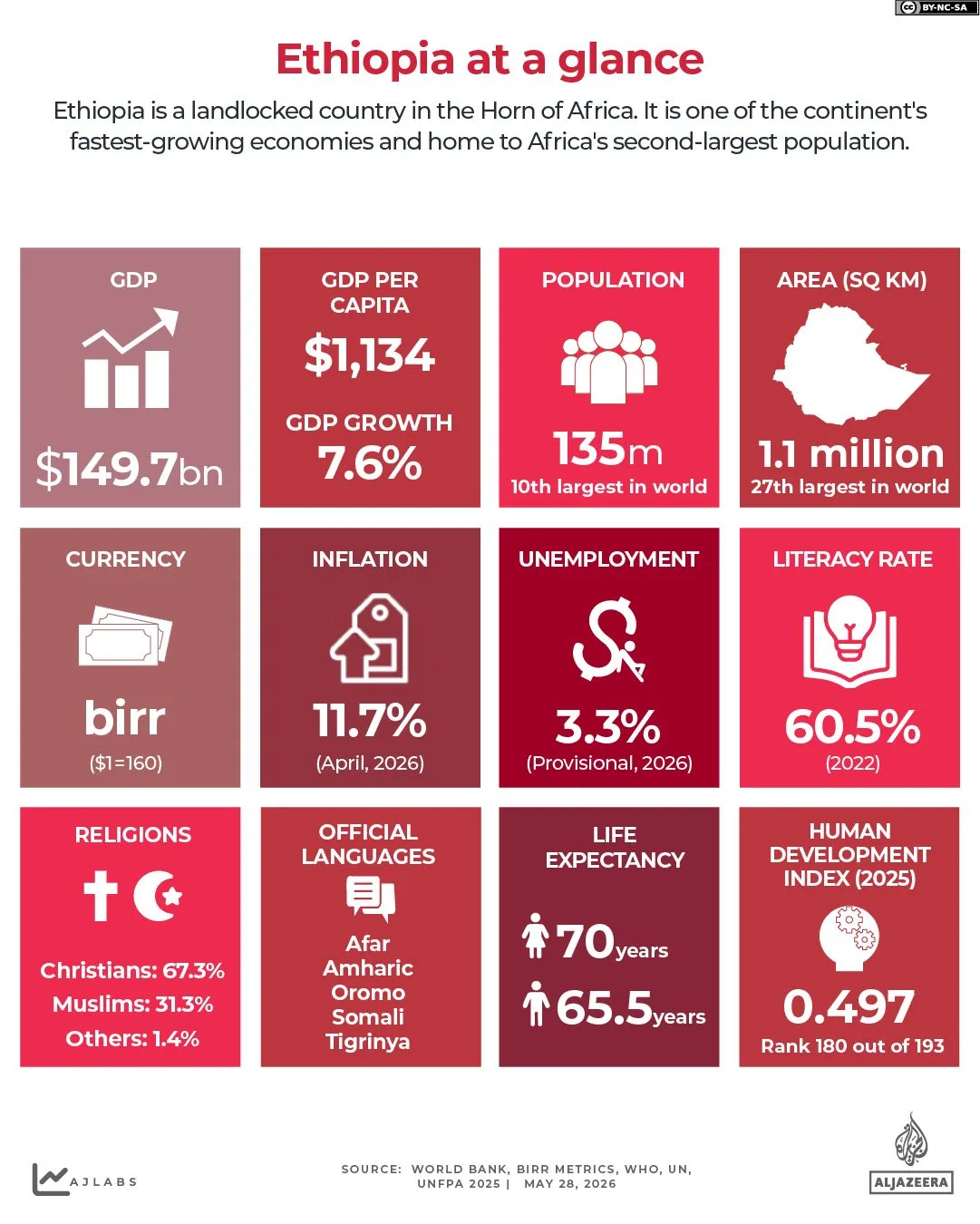
Ethiopia conducted its general elections on June 1, 2026, but voting was suspended in 46 electoral districts, including 8 in Amhara and 38 in Tigray, due to ongoing insecurity and political tensions in those regions [1, 2]. More than 50 million Ethiopians registered to vote out of a population of about 130 million, with 10,400 candidates contesting seats at federal and regional levels [3, 4, 2].
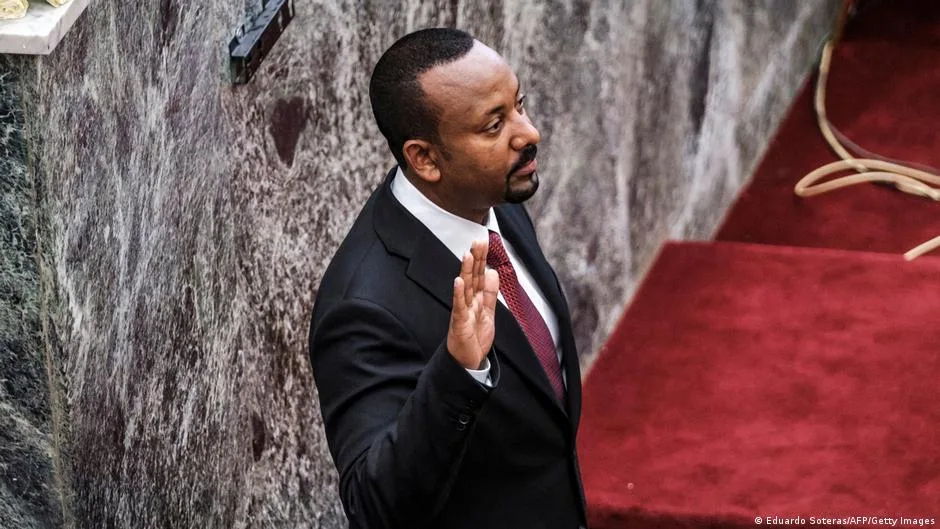
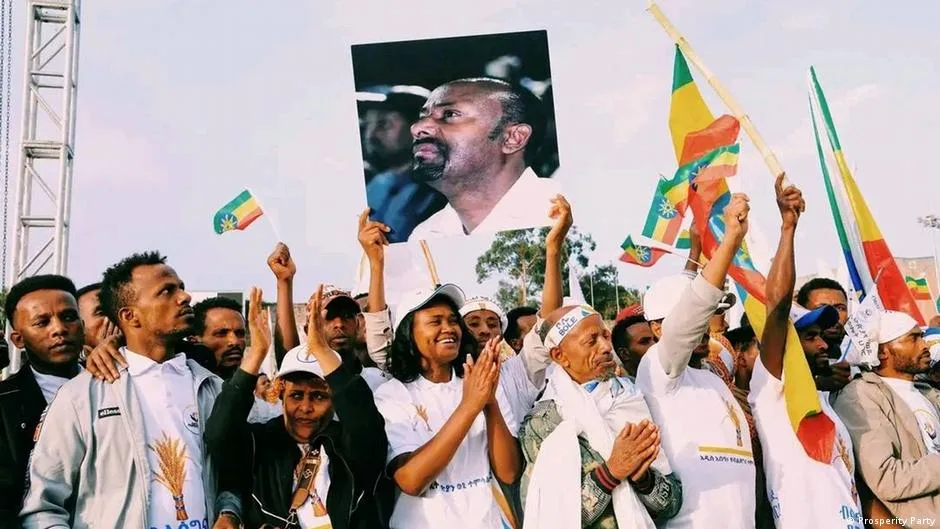
Prime Minister Abiy Ahmed’s ruling Prosperity Party is widely expected to win decisively and held large rallies in Addis Ababa with road closures, while opposition parties allege they were barred from similar gatherings [1, 2]. Opposition groups remain fragmented and complain of shrinking political space and limited freedoms [1, 3, 4, 2]. The National Election Board of Ethiopia introduced reforms such as digital voter registration and new monitoring systems for the elections [3, 4].
Security challenges persist across Ethiopia, including conflicts in Amhara, Oromia, and Tigray regions, as well as instability leftover from the civil war that ended in 2022, which killed around 600,000 people and displaced millions [1, 2]. Kjetil Tronvoll, a peace and conflict researcher, described the elections as "a purely formal affair" that grants the government electoral legitimacy but does not allow genuine political change [1]. He noted that multiparty elections in Ethiopia have never posed a real challenge to the ruling party and that excluding Tigray reflects the federal government’s weakened territorial control and political authority [2].
Regional geopolitical rivalries involving Egypt, UAE, Saudi Arabia, Turkey, and Israel also affect Ethiopia. Sudan accused the UAE of drone strikes on Khartoum Airport launched from Ethiopia’s Bahir Dar airport, a claim Ethiopia denied while alleging Sudan backs armed groups in its territory [3, 4].
Most Ethiopians prioritize socioeconomic problems over foreign policy issues. Kebour Ghenna, executive director of Initiative Africa, said voters care more about inflation, unemployment, insecurity, corruption, and declining living standards than external disputes [3]. Young contract courier Henok Gebre-Selassie criticized the government’s focus on urban development projects while many are pushed to city outskirts with poor infrastructure amid ongoing conflict and famine [2].
Getnet Worku, spokesperson for the Coalition for the Unity of Ethiopia, called for an end to the war, the release of political prisoners, greater political freedom, and talks with opposition groups before meaningful elections can occur [1]. With voting suspended in several districts and key opposition voices sidelined, the electoral process remains contested.
The National Election Board will continue to oversee the election results and address remaining logistical issues in the suspended areas as Ethiopia navigates ongoing security and political challenges [3, 2].
![Ethiopia’s electoral board says more than 50 million people have registered to vote out of a population of over 130 million[Yasuyoshi CHIBA / AFP]](/uploads/2026/05/29/7050e29989d49bf42274cd2d.webp)