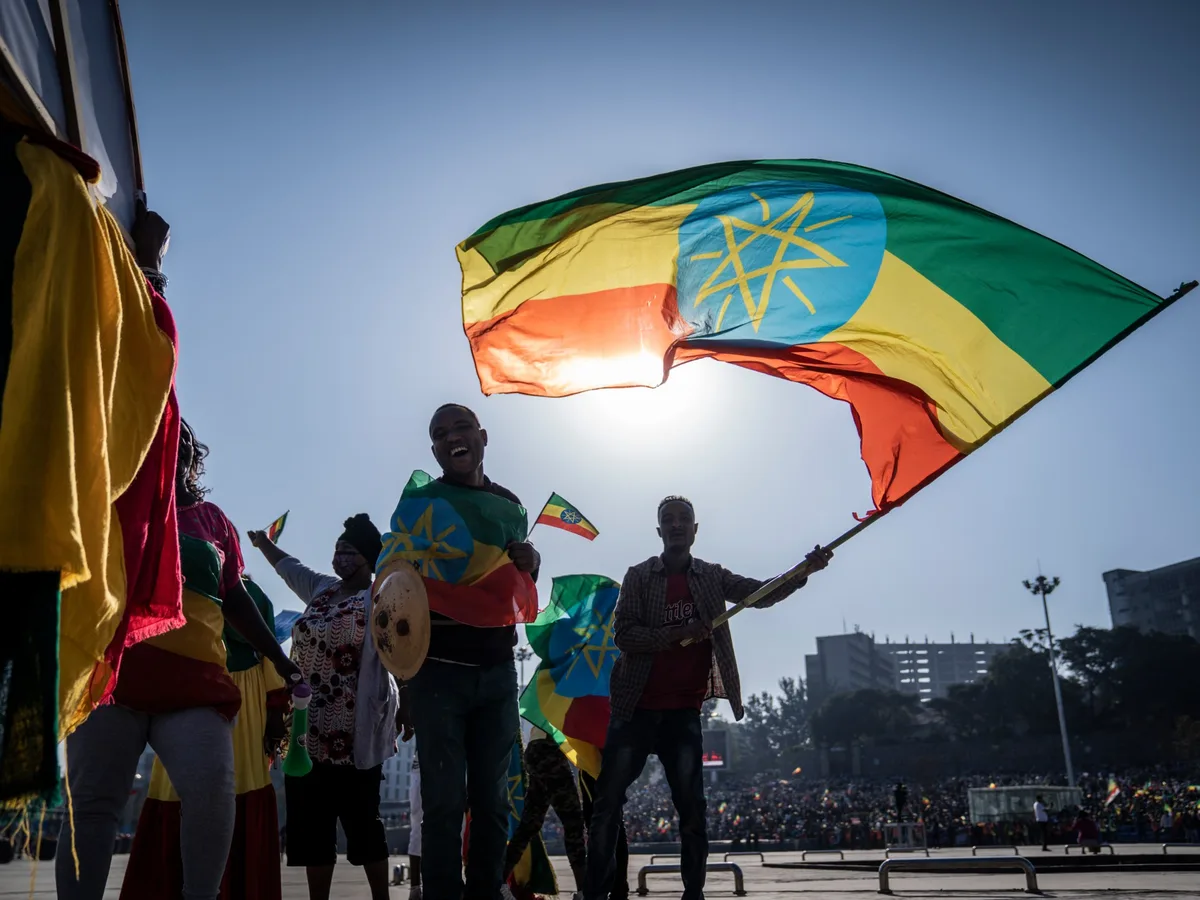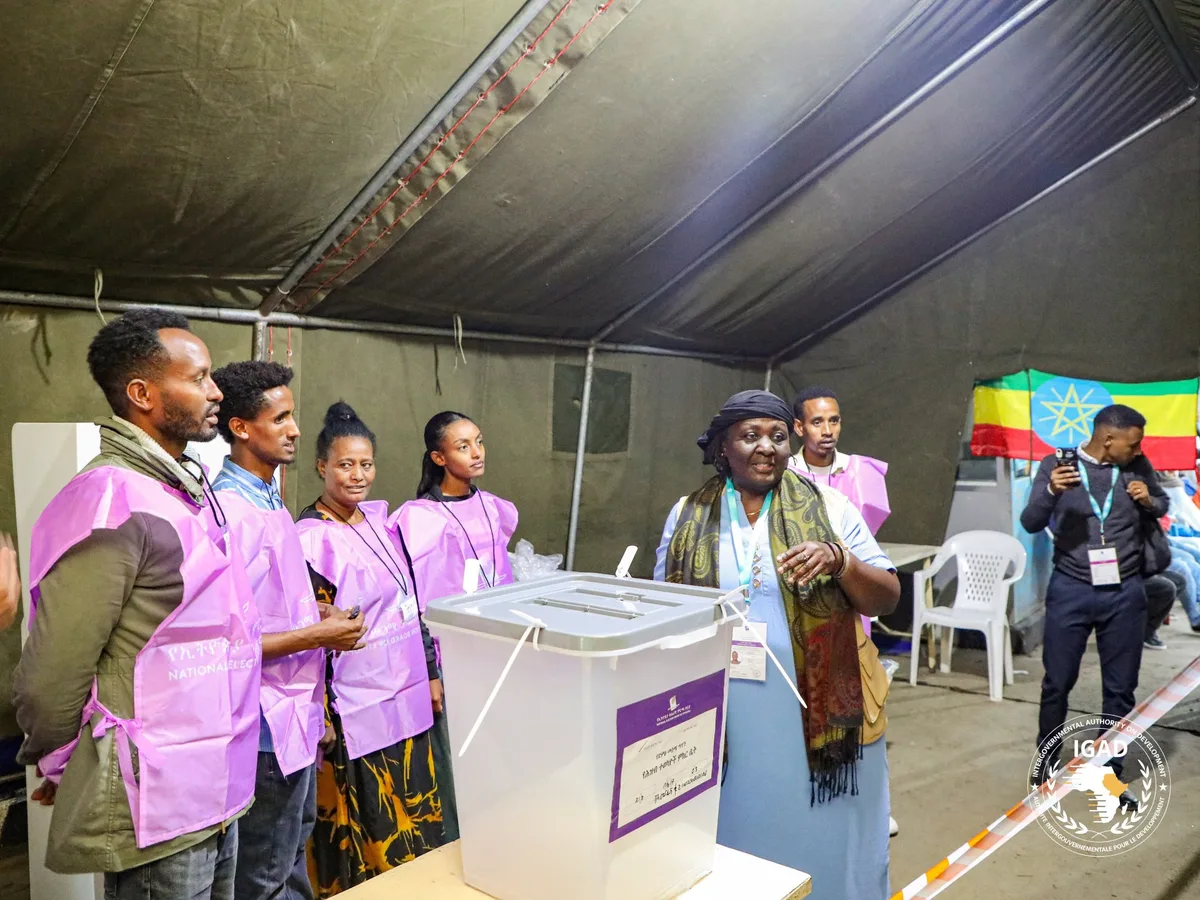
Ethiopians went to the polls on June 1, 2026, in a general election to choose members of parliament who will select the next prime minister. Polling stations opened at 6 a.m. local time, with over 50 million registered voters eligible to participate [1, 2].
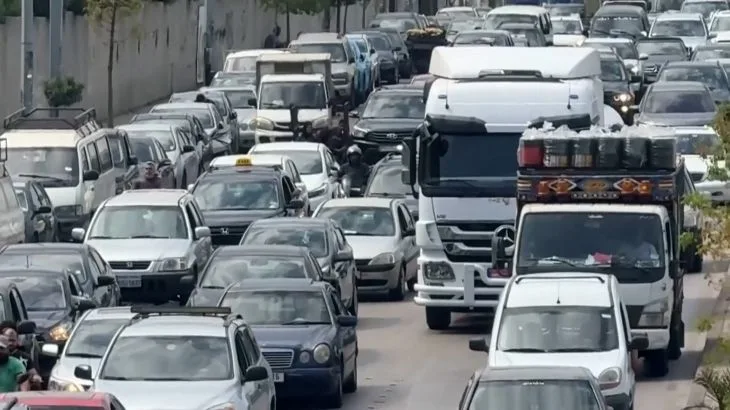
The election aims to fill all 547 seats in parliament. More than 10,900 candidates contested the vote [1, 2]. A heavy security presence marked election day, especially in the capital, Addis Ababa, where voters faced long lines [2].
The ruling Prosperity Party, led by Prime Minister Abiy Ahmed, is widely expected to retain a parliamentary majority and remain in power [1, 3, 2]. Campaign themes focused on national reconciliation, recovery from conflicts in the Tigray, Oromia, and Amhara regions, and economic development [2].
However, voting did not take place in the northern Tigray region, which is home to around six million people. Ongoing recovery from conflict in the area led to the exclusion [3, 2]. Millions of people in other conflict-hit areas were also barred from voting. This exclusion stirred criticism accusing the government of centralizing power and imprisoning opponents [3].
Opposition parties raised concerns over restrictions on campaigning and shrinking political space [3, 2]. Despite these challenges, the election proceeded under tight security measures.
The next parliamentary term will begin following official results, with the new members tasked with selecting the prime minister. The government has not announced the timeline for results or the new parliament's inauguration as of now.