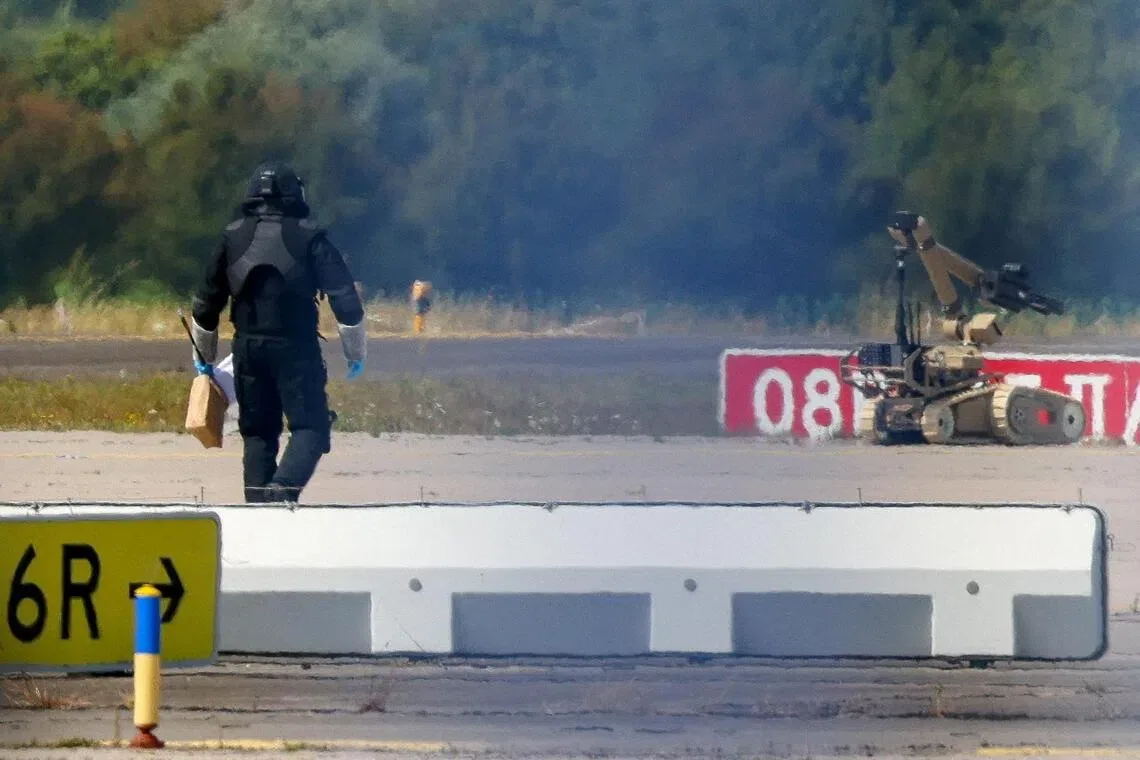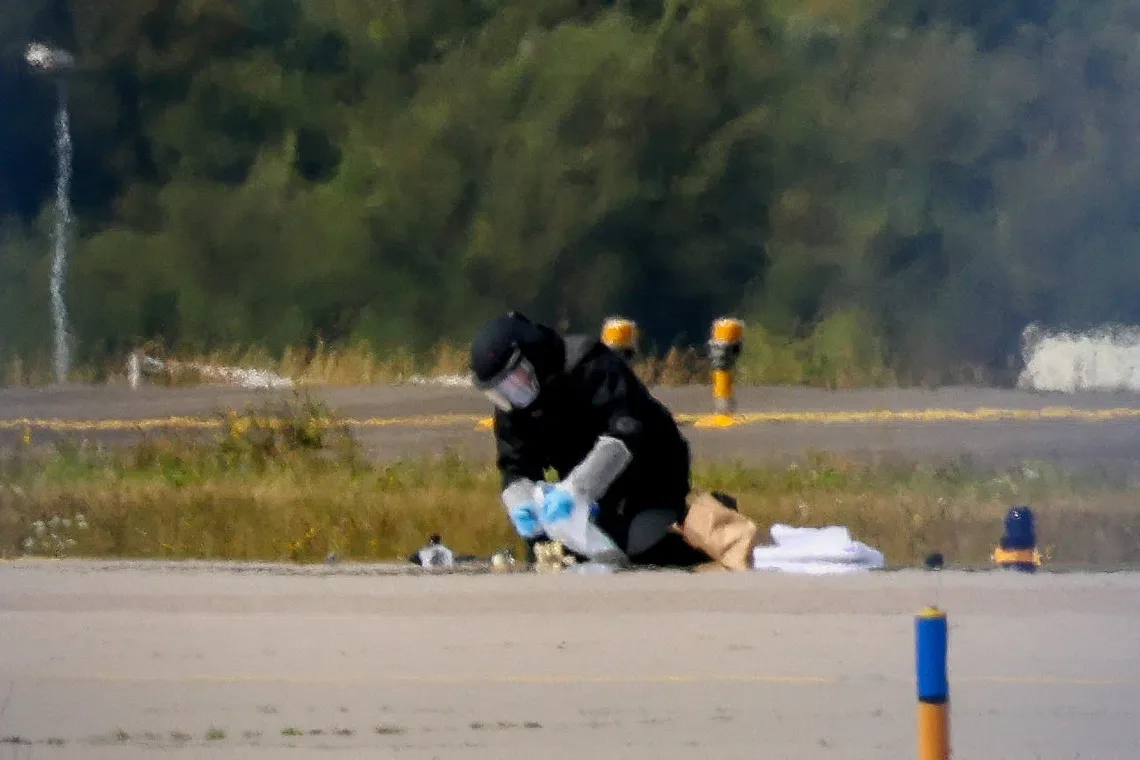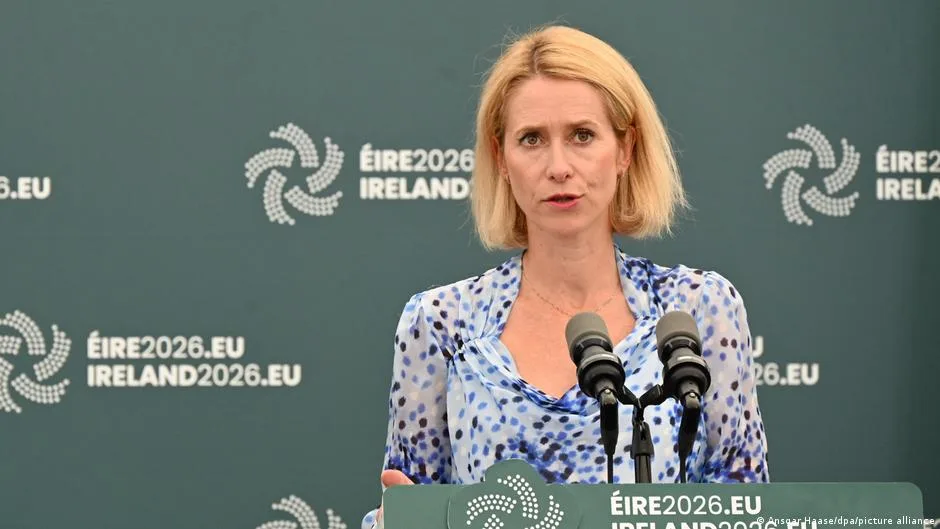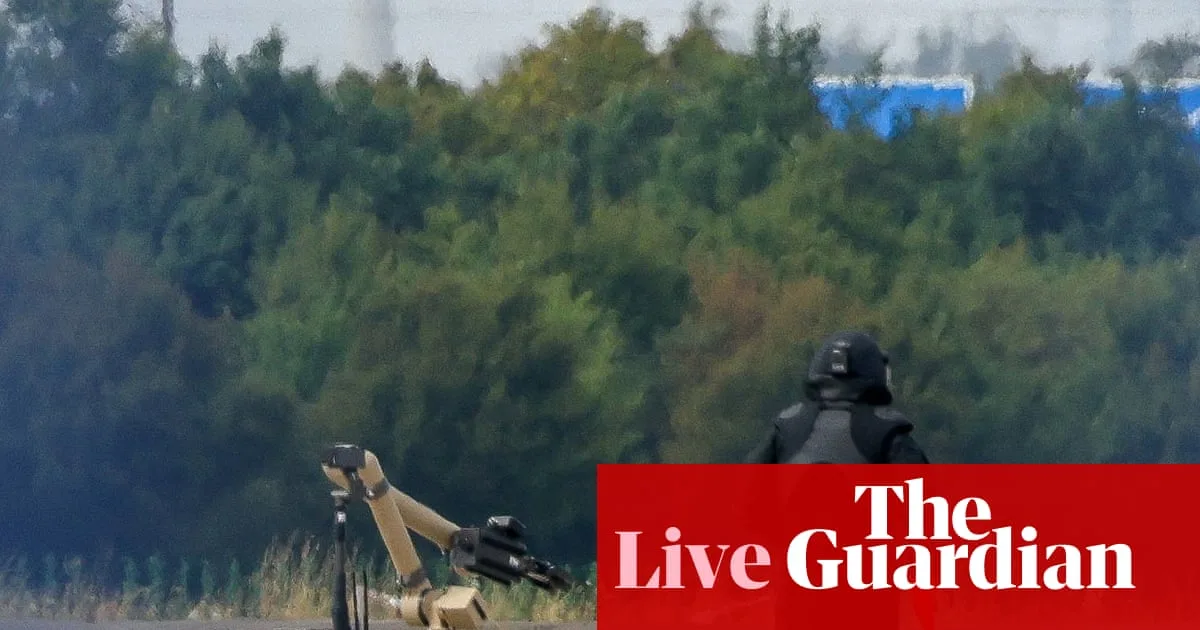
Germany formally blamed Russia for an attempted explosive-laden drone attack at Leipzig/Halle Airport on August 4, 2026 [1, 2, 3, 4]. The EU foreign policy chief Kaja Kallas said the incident bore "all the hallmarks of state-sponsored terrorism," underscoring the severity of the attack [1, 5, 2, 3].
In response, the EU summoned Russia's envoy to protest the attack, while France also called in Russian officials [1, 2, 3]. Germany took retaliatory steps by shutting down a Russian consulate in Berlin and ending a cultural centre contract [2, 4].
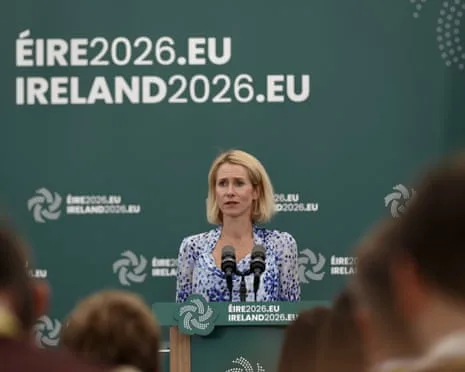
EU foreign ministers met on September 2, 2026, in Wicklow, Ireland, to discuss the incident and consider imposing new sanctions against Russia [1, 5, 2, 3]. European officials are planning sanctions targeting about 1,600 individuals and entities linked to Russia's military complex, with adoption expected in October 2026 [5, 2, 3].
German police identified two suspects connected to the attack: one Belarusian-Russian dual national and one Latvian-Russian dual national who acted as a logistics coordinator [2].
European and NATO leaders expressed solidarity with Germany and pledged continued support for Ukraine. Portuguese Prime Minister Antonio Costa condemned Russia's actions "in the strongest possible terms," while Dutch Prime Minister Mark Rutte emphasized, "The evidence is clear. Our support to Ukraine is unwavering, as is our ironclad commitment to NATO’s collective defense." Italian Prime Minister Giorgia Meloni said attempts to intimidate or divide allies "will not succeed" and promised a united response [6, 7].
German Chancellor Friedrich Merz reassured Ukrainian President Volodymyr Zelenskyy of ongoing civilian and military support, with a government spokesman stating the chancellor emphasized "the determined continuation of Germany’s civilian and military support" amid mounting tensions [4].
Moscow denied responsibility. Russian authorities called Berlin's accusations "absurd and unproven" and warned of consequences over Germany's retaliation [4]. German lawmaker Johann Wadephul stated, "Russia has escalated, Russia has carried out this hybrid attack, and now Russia must live with the consequences" [2].
EU foreign ministers will continue discussions on sanctions throughout September, aiming to finalize measures by October 2026 to intensify pressure on Russia over aggressive actions in Europe [1, 5, 2, 3].