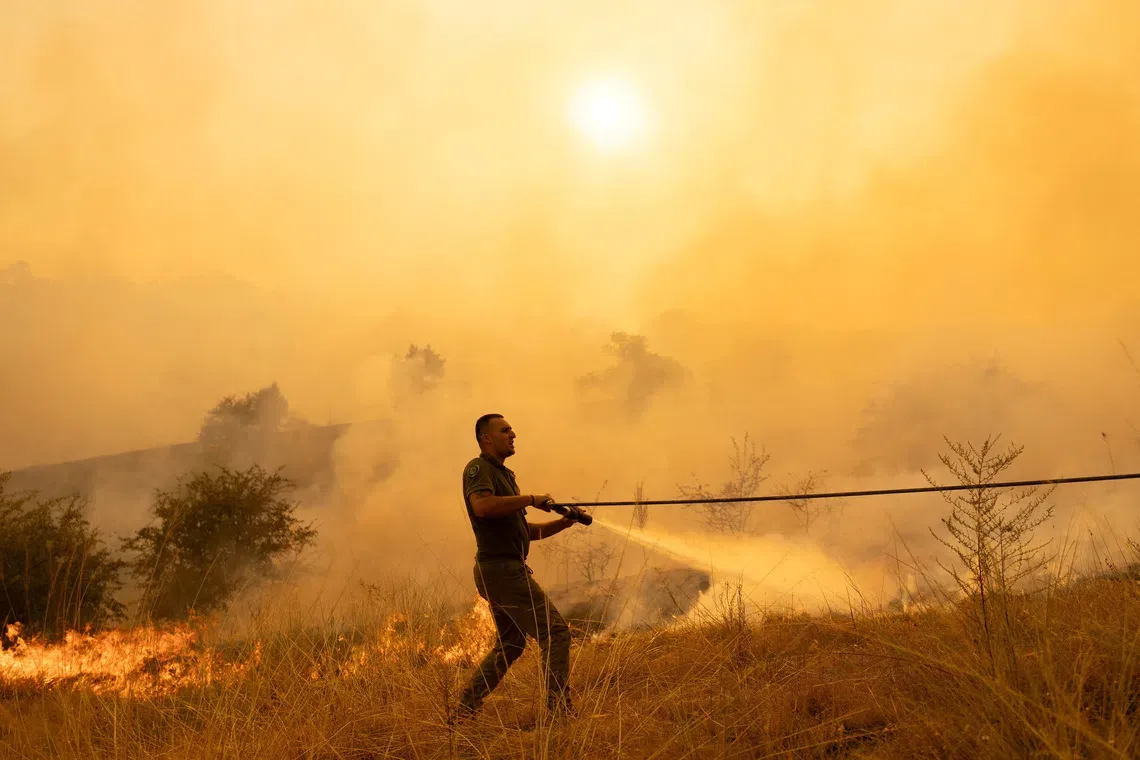
Serbia activated the EU Civil Protection Mechanism on August 21, 2026, requesting firefighting assistance from EU countries to fight extensive wildfires in the Deliblatska Pescara nature reserve and the Stolovi mountain range in southwestern Serbia [1, 2, 3].
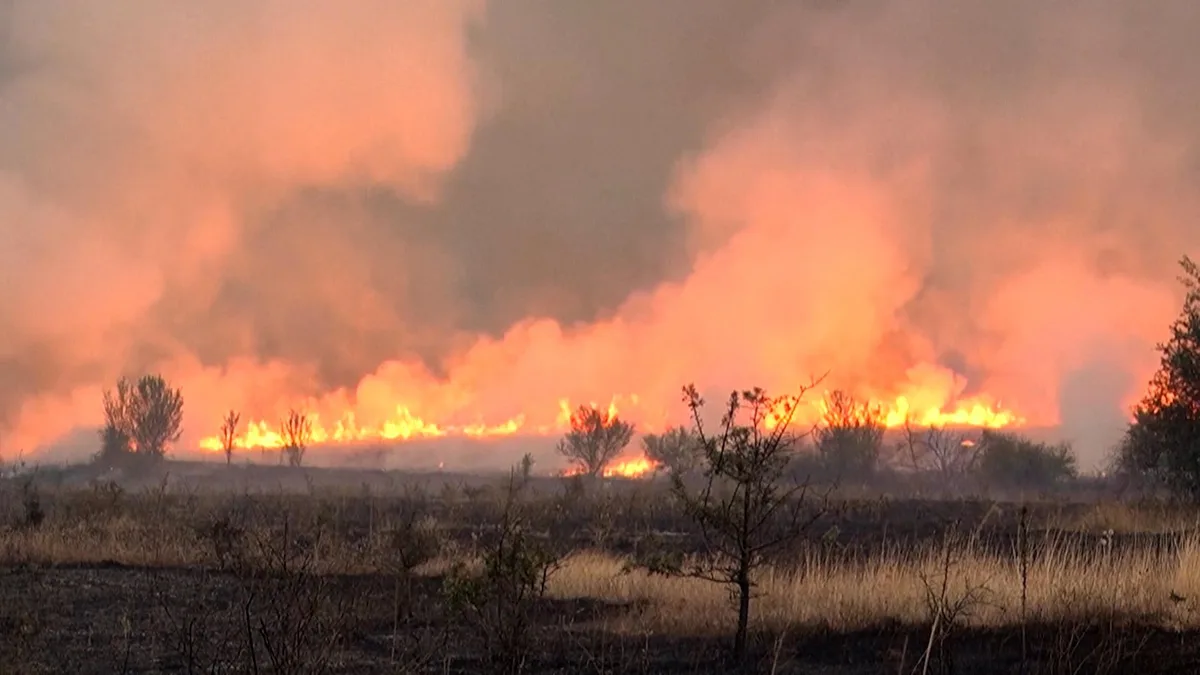
The fires have burned thousands of hectares of pine forest in Deliblatska Pescara since late July and spread to the Stolovi area [1, 3]. Serbian Interior Minister Ivica Dacic described the situation as "extremely difficult" [2]. Farmer Ljubce Ivanski near one blaze said, "It was devouring everything" [2].
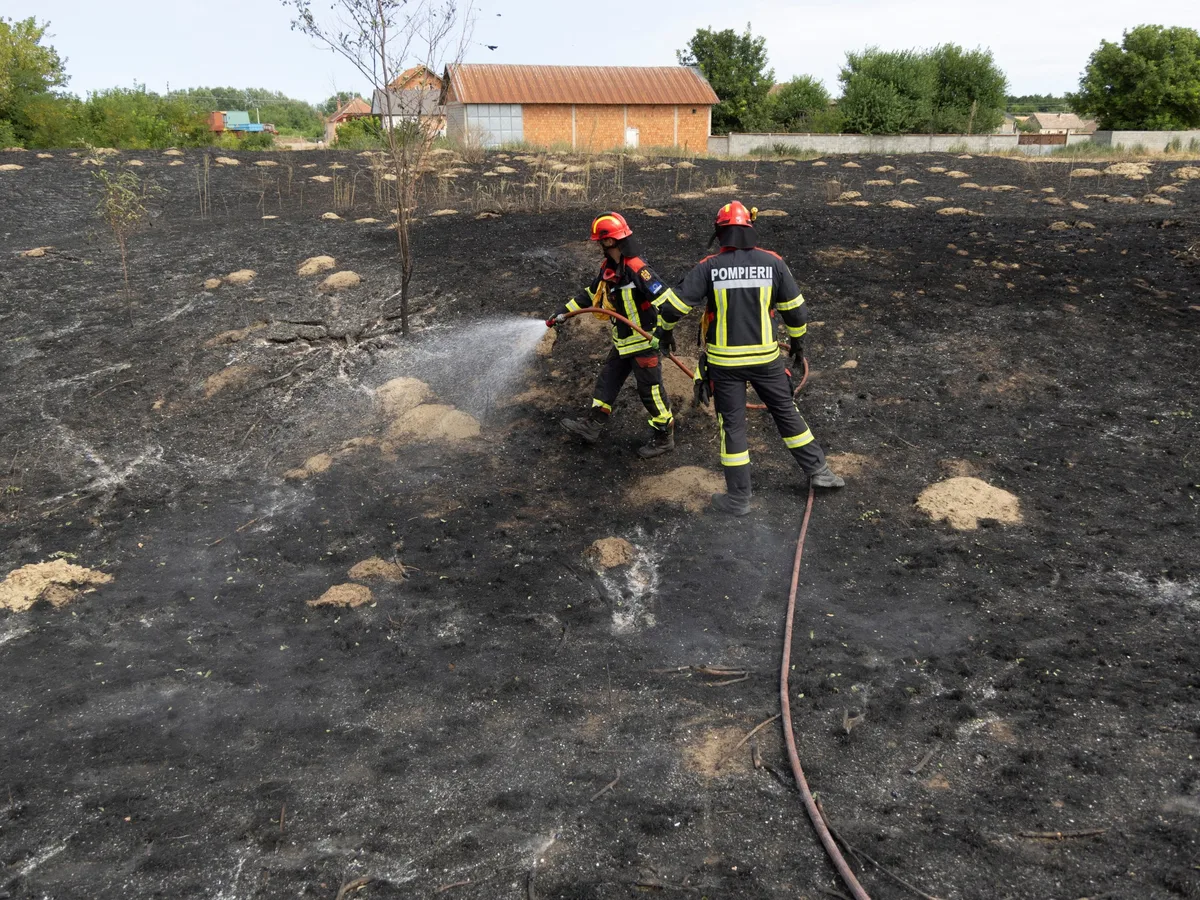
Russia supplied an IL-76P water-bombing aircraft that arrived in Nis, Serbia, on August 19 and began fire suppression operations over Deliblatska Pescara [1, 2, 3]. Meanwhile, the EU response included four Black Hawk firefighting helicopters, with sources differing on whether Germany participated or the helicopters came from Romania, Slovakia, and the Czech Republic [1, 2, 3]. Firefighter teams and vehicles were deployed from Germany and Romania, contributing 55 firefighters and 24 vehicles from Germany plus 69 firefighters and 15 vehicles from Romania. Over 400 personnel in total worked daily on the firefighting effort [1, 2].
Aircraft dropped a total of 168 tonnes of water on the wildfires, including 126 tonnes over Deliblatska Pescara and 42 tonnes over Stolovi [2]. EU head Andreas Beckerath said, "We stand with Serbia in protecting lives, livelihoods and the unique natural heritage of Deliblatska Sands" [1]. President Aleksandar Vucic said, "The very second we realised that our own forces were no longer sufficient, we immediately requested urgent assistance from Russia and the European mechanism" [2].
Strong winds remained a challenge for crews as of August 22-24 [1, 2]. By August 23-24, the Deliblatska Pescara fire was declared localised and extinguished, though crews stayed vigilant against flare-ups [2, 3]. Earlier in summer, Serbia had also sent firefighting help to Spain through the EU mechanism before seeking international aid for its own fires [1, 2, 3].
The wider 2026 wildfire season has seen 777 EU firefighters pre-positioned and contributions from 14 countries, with this year's area burned by August 19 topping 619,298 hectares — more than twice the 2006-2025 average [3].
Firefighting operations in Serbia continue with joint Russian and EU support to contain flare-ups in the affected areas.