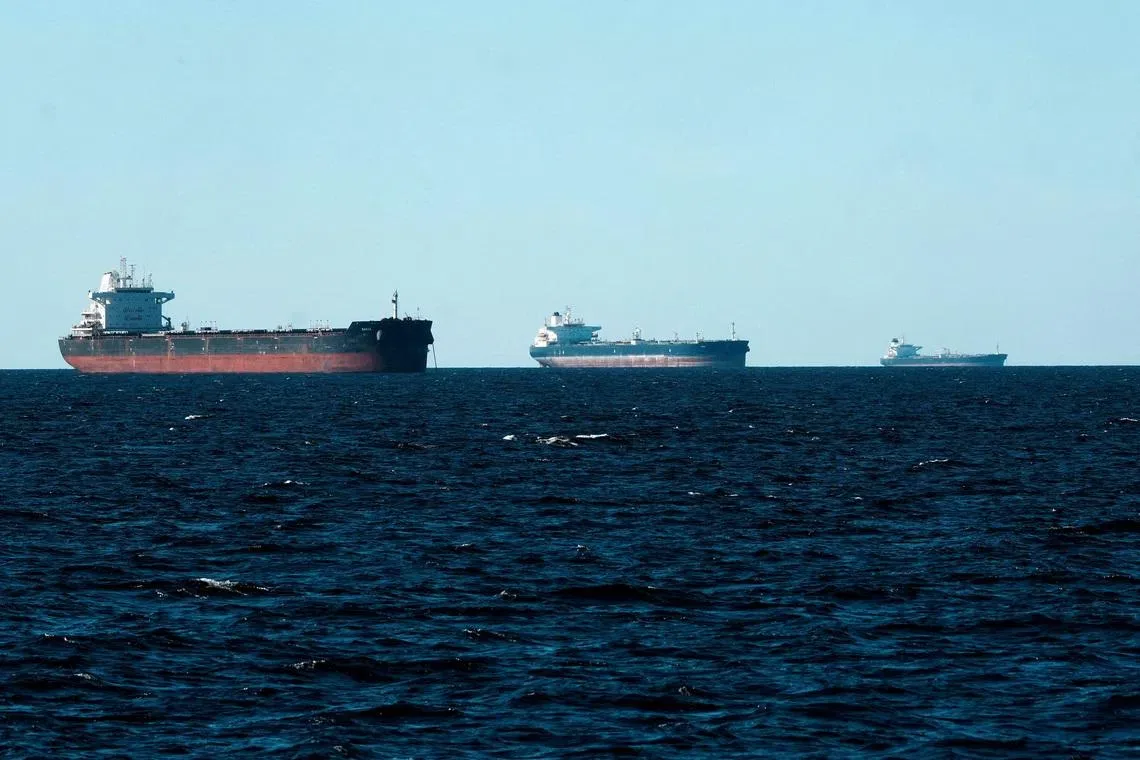
On June 15, 2026, the European Union adopted new sanctions targeting individuals and entities linked to Russia's shadow fleet, which supports Moscow’s war effort in Ukraine, and those connected to the 2024 poisoning death of opposition leader Alexei Navalny [1, 2].
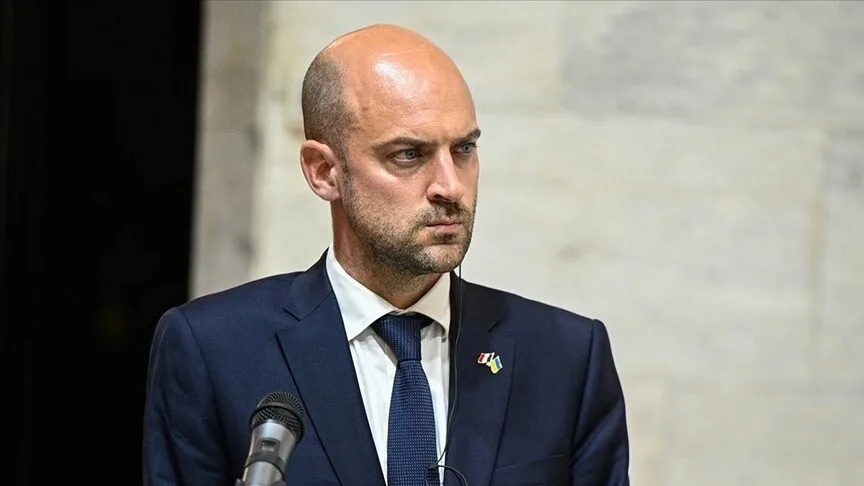
The European Council added 34 individuals and 47 entities associated with Russia’s military, industrial complex, and shadow fleet to the EU sanctions list [1]. France, however, reported that the EU sanctioned 54 entities responsible for running the so-called shadow fleet that enables Russia to evade previous sanctions. French Foreign Minister Jean-Noel Barrot said, "Today we are adopting sanctions against 54 entities responsible for the operation of the so-called shadow fleet, which allows Russia to circumvent sanctions." [2]
Among those targeted are Tahir Garayev, founder of Coral Energy (later the 2Rivers Group), and Konstantin Rogach, who facilitated shipping and insurance for Russian crude exports [1]. The sanctions also include 15 individuals connected to Navalny's poisoning, such as Russian judges and prosecutors involved in obstructing justice [1].
In addition to these figures, the EU sanctioned people responsible for spreading disinformation to justify Russia’s war. Those targeted include journalists, a social media influencer, and a Russian Orthodox bishop accused of promoting Kremlin propaganda in Europe. Barrot emphasized, "We are also imposing sanctions on the assassins of (Russian opposition leader) Alexei Navalny. We are further sanctioning those responsible for spreading Kremlin propaganda in Europe." [1, 2]
EU sanctions have battered Russia's economy. EU chief diplomat Kaja Kallas estimated the cost of sanctions between €1 trillion and €1.3 trillion [1].
France condemned Russia’s recent missile strike on Kyiv, which damaged the Assumption Cathedral in the Kyiv Pechersk Lavra monastic complex. Barrot said the attack, which set fire to the cathedral, would be seen by the French as comparable to bombing Notre-Dame or Saint-Denis, "which is of course unacceptable." [2]
France reaffirmed its commitment to supporting Ukraine with formal EU accession talks and ongoing backing for Ukrainian authorities [2].
The EU’s next scheduled review of sanctions and their impact is expected later this year, as Brussels continues to pressure Moscow over the war in Ukraine and Navalny-related human rights abuses [1].