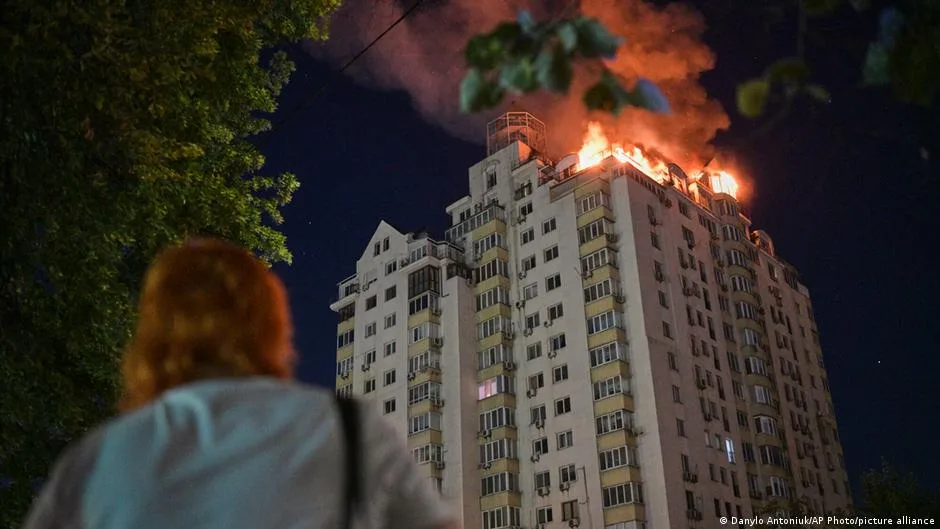
On the night of July 1, 2026, Russia launched a large-scale missile and drone attack on Kyiv that killed at least 13 people and injured around 86 others, marking the most intense assault on the Ukrainian capital since the war began more than four years ago [1, 2, 3]. Ukrainian officials confirmed the use of drones and missiles in the strikes, targeting civilian infrastructure and causing widespread damage [1, 3]. Vitali Klitschko described the attack as "the most intense attack on Kyiv since the war began over four years ago" [1].
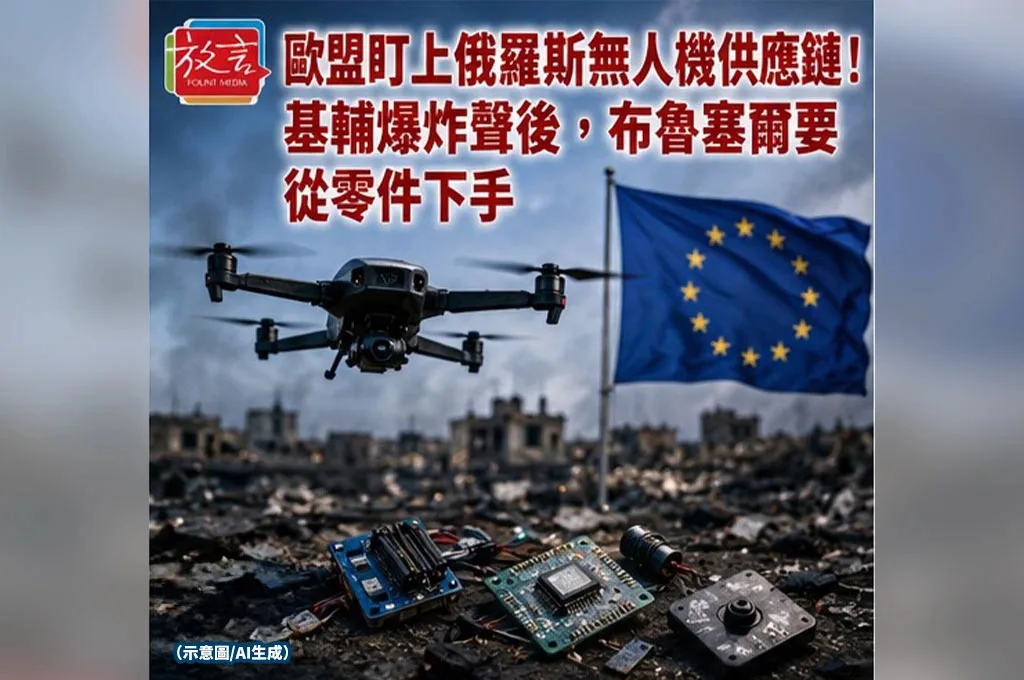
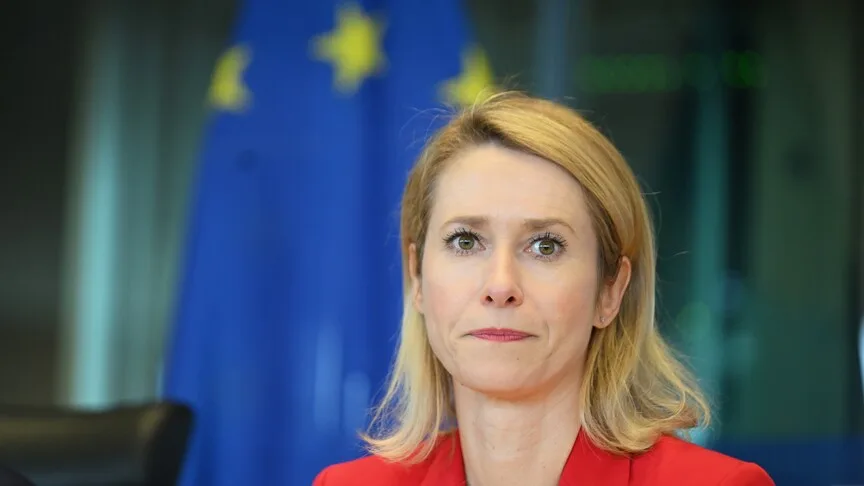
In response, EU High Representative for Foreign Affairs and Security Policy Kaja Kallas announced on July 2 plans to propose new sanctions focused on entities linked to Russia’s military-industrial complex, particularly those involved in the drone supply chain [1, 2, 3, 4]. Kallas said, "Words of condemnation alone will not stop attacks on Kyiv. Only sustained military support for Ukraine and increased pressure on Moscow can do that," emphasizing the need to "keep raising the cost until Russia understands it cannot win" [2].
The EU has already disbursed €6 billion of a €90 billion support package meant to strengthen Ukrainian defenses [2]. Meanwhile, negotiations continue on the bloc’s 21st round of sanctions against Russia. In June 2026, the EU sanctioned 81 organizations and individuals, including Russian Orthodox Church Bishop Georgy Shevkunov [1, 3]. The new sanctions target suppliers of components in the drone supply chain that facilitate Russian attacks on Ukraine [4].
European leaders from Portugal, Finland, and Italy condemned the attack and reiterated their support for Ukraine. The Portuguese Foreign Ministry called it "imperative to put an end to this aggression and restore international law" [2]. Finnish Foreign Minister Elina Valtonen said, "Last night, Russia once again targeted civilian infrastructure, showing a blatant disregard for human life" [2]. Italian Foreign Minister Antonio Tajani stated, "The Russian government must put an end to these aggressions and act as a responsible member of the international community" [2].
All EU staff in Kyiv were confirmed safe following the attack [1, 2, 3]. The EU’s new sanctions proposal is expected to formally advance in the coming weeks as part of ongoing efforts to intensify pressure on Russia's military supply chains related to drone warfare [4].