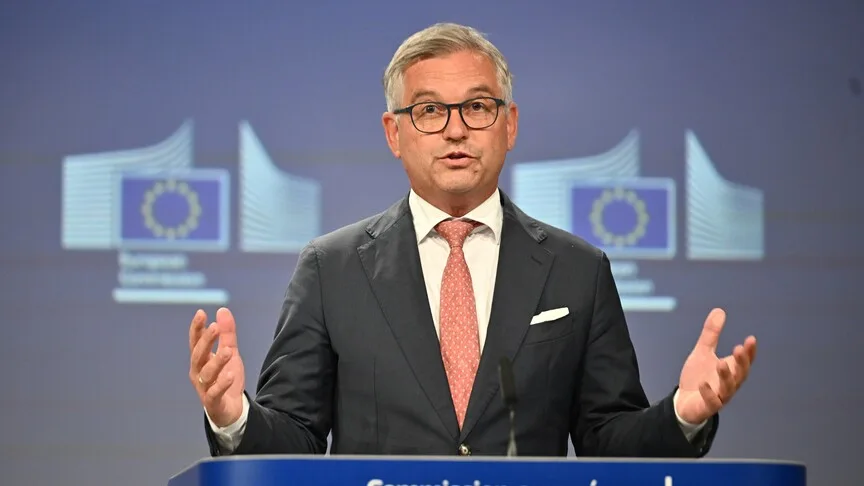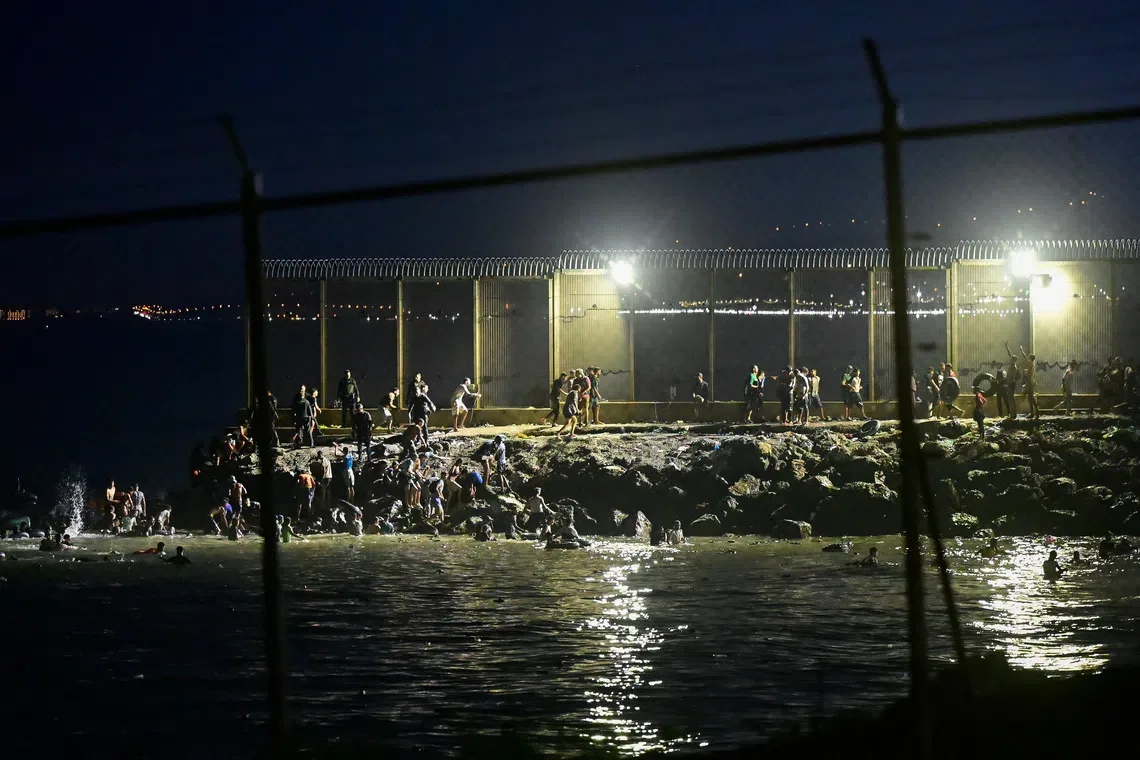
About 72,000 migrants crossed into the Spanish enclave of Ceuta in North Africa last week, marking one of the largest single-day migrant entries into EU territory in two decades [1, 2, 3, 4, 5]. EU Migration Commissioner Magnus Brunner described the influx as "unprecedented," saying "nothing on this scale has happened at any EU external border in a single day in 20 years" [4].
Brunner urged the EU to use all available leverage, including visa policy, trade, and development cooperation, to ensure Morocco's firm cooperation on migration control. He warned that relying solely on Morocco's goodwill leaves the EU "vulnerable," emphasizing that "to have control, we must cooperate with our neighbours" [1, 4]. He added, "The integrity of the Schengen area was preserved, and the situation has been contained," noting that irregular entrants have been returned to Morocco under special provisions of the Schengen Borders Code preventing onward travel to mainland Spain or other EU states [4].
Opposing views emerged on responsibility for the mass crossing. Morocco rejected blame, stating Spain should have foreseen the impact of a court ruling that migrants arriving by swimming could not be immediately deported if no physical border barrier was crossed [1, 2, 3, 5]. In contrast, Ceuta’s mayor Juan Jesus Vivas called Morocco "not a reliable country" and argued that responsibility for Europe’s only land border with Africa should rest with Europe, not Morocco [1, 2, 3, 5]. Vivas said around 100 people died during the crossing and 3,000 to 5,000 migrants remain in the enclave [1, 2, 3, 5].
The EU has increasingly relied on agreements with North African countries, including Morocco, providing financial support to strengthen border controls and cooperation on returns to limit irregular migration [1, 2, 3, 5]. Critics say this creates leverage for transit countries to seek political or economic concessions.
Lahcen Haddad, co-president of the EU-Morocco Joint Parliamentary Committee, defended Morocco’s role, saying the country prevented more than 227,000 illegal crossing attempts and dismantled over 1,050 smuggling networks between 2023 and 2025. He said, "Criticism is legitimate, but so is acknowledging the scale of Morocco's contribution" [1, 2, 3, 5].
Morocco’s Foreign Ministry did not immediately respond to requests for comment on the recent migrant crossings [1, 2, 3, 5].
Commissioner Brunner spoke at a European Parliament committee meeting on August 6, reiterating the need for robust EU leverage to ensure cooperation from Morocco on migration matters [1, 4].