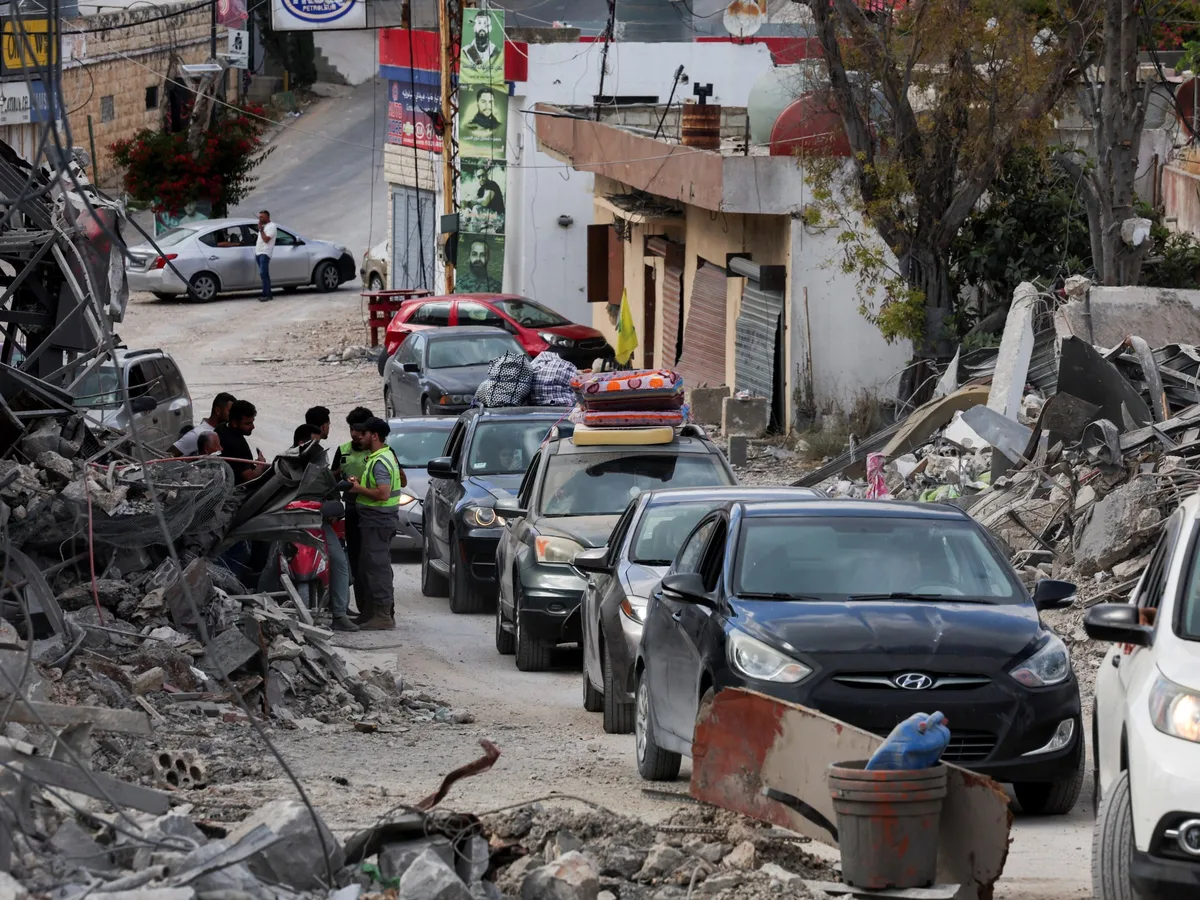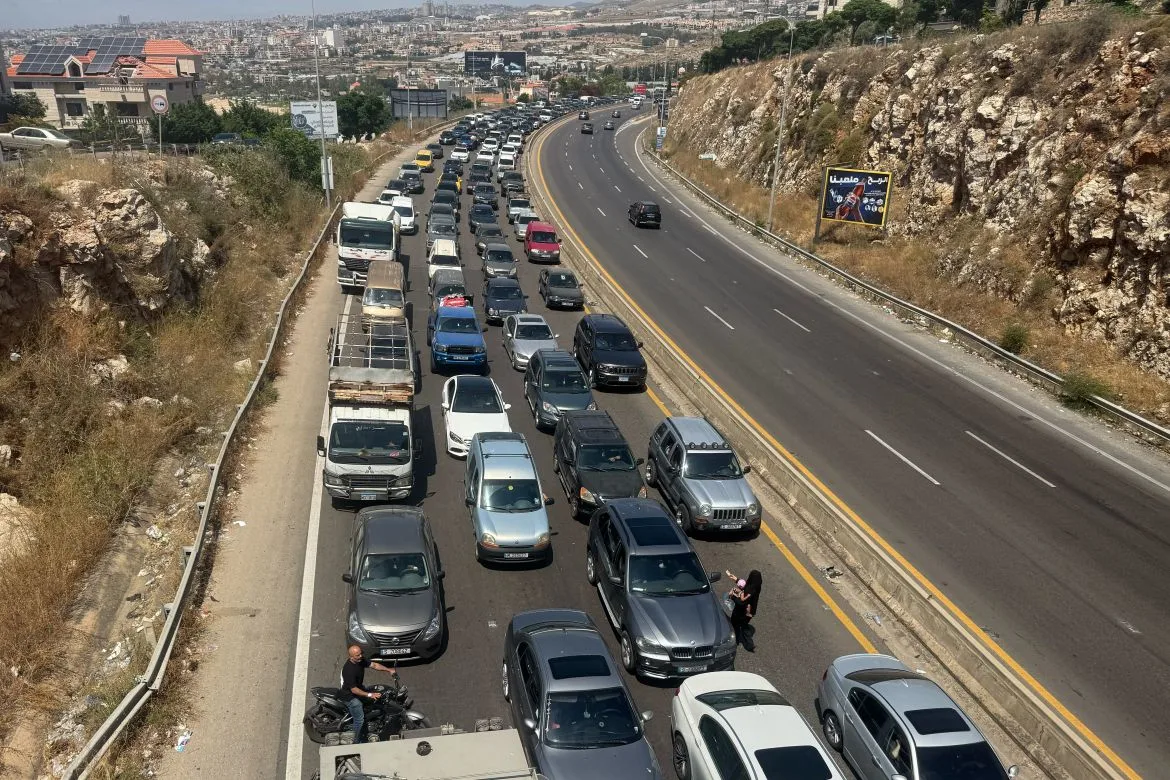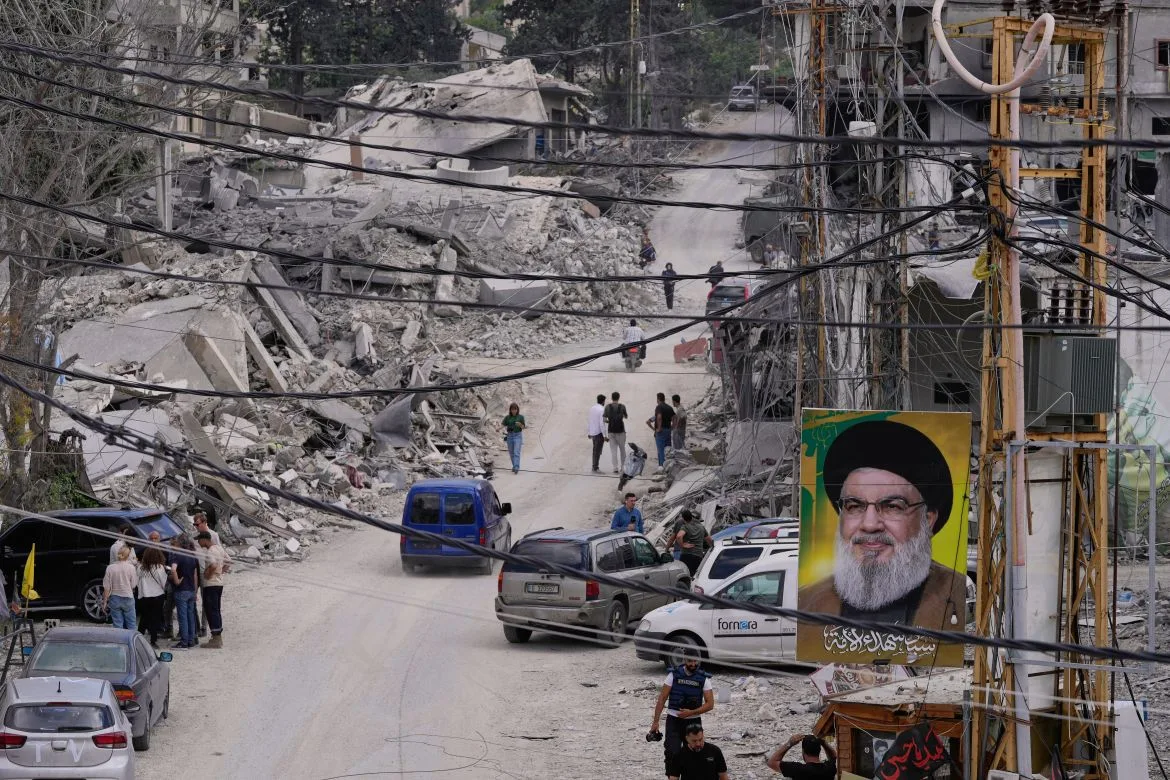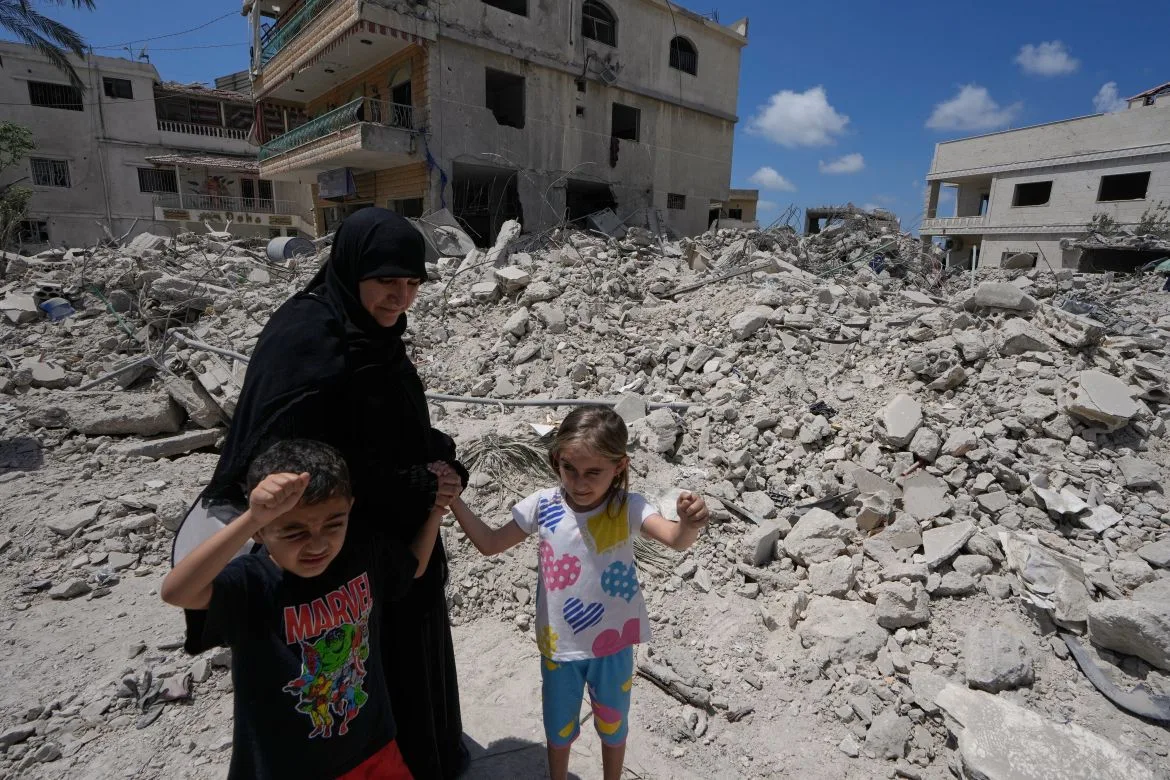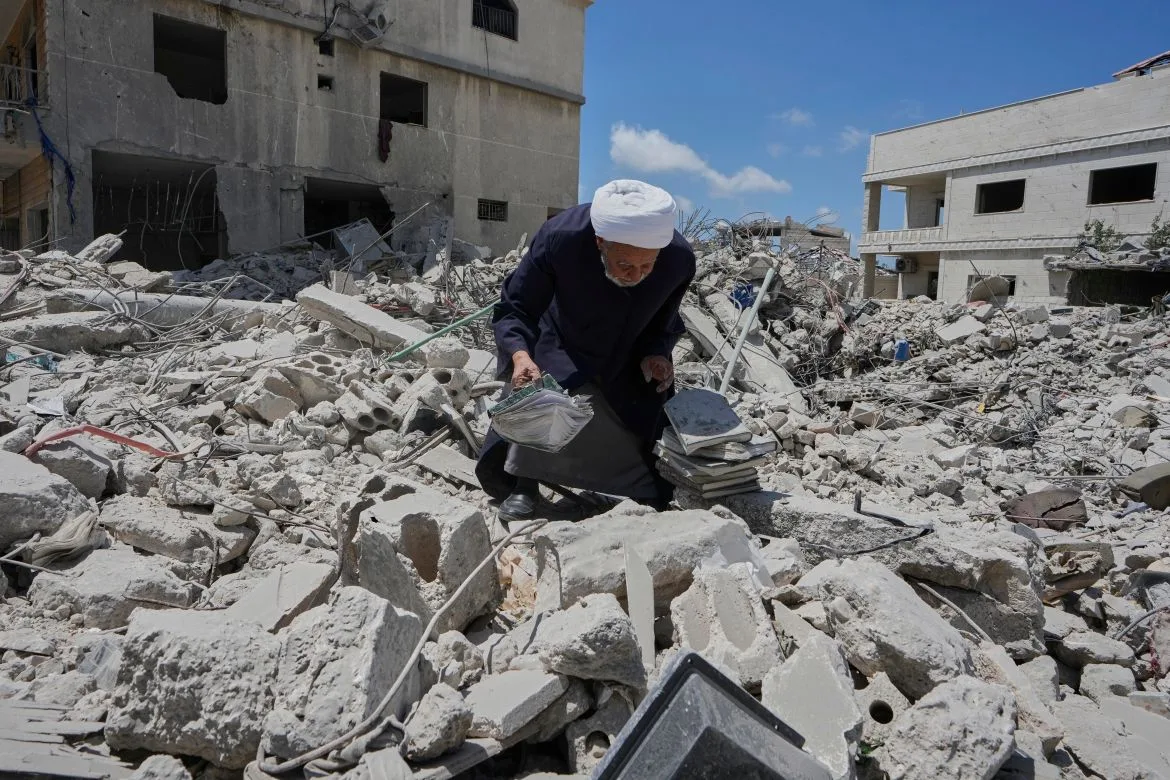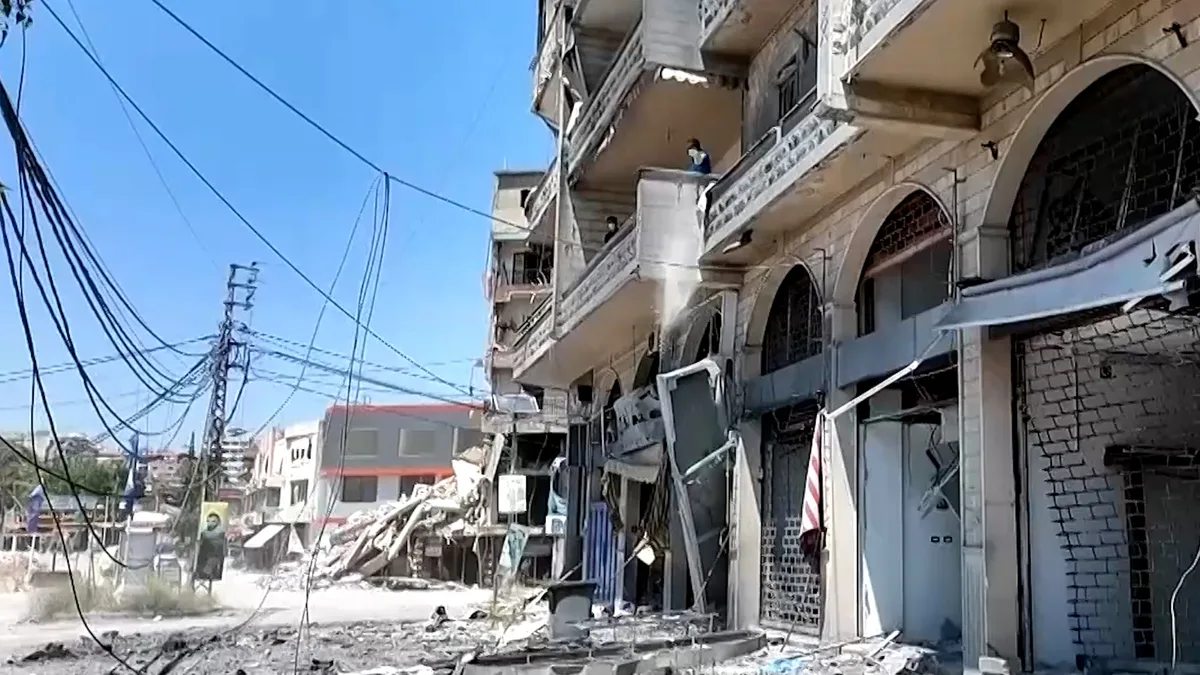
Thousands of families displaced by Israeli attacks on southern Lebanon have started returning after a ceasefire agreement between the United States and Iran was announced in mid-June 2026 [1, 2]. The ceasefire halted Israeli bombardment that began on March 2, causing widespread destruction of homes, shops, and public buildings throughout the region [1, 2].
The Lebanese Ministry of Public Health reported nearly 3,800 deaths from the attacks since early March, while about 1.2 million people were forcibly displaced due to the violence [1]. Many returning residents encountered severe damage, including destroyed shops, collapsed roofs, and rooms stripped bare of doors and windows [1, 2].
Some families returning to their homes are salvaging what they can before leaving again amid continued insecurity and disrupted services, while others are attempting to restart their lives despite the devastation [1, 2]. Abu Hassan, speaking under a pseudonym, said, "People were left alone to face all this destruction. We don’t want wars. We want to rebuild our lives" [2]. Abu Ali added, "My entire livelihood disappeared overnight. This was 20 years of work and exhaustion. Today, I have no work left" [2].
Preliminary estimates by the private Information International research group put damage from the recent Israeli assault at at least $5 billion, adding to roughly $15 billion in losses estimated since October 2023 [2]. Business owners express despair at losing decades of work and warn they cannot afford repairs or to reopen without compensation [3, 2]. An anonymous woman in Nabatieh vowed to "keep going" with her family's butchery, opened by her grandfather in the 1950s but heavily damaged in a recent strike [3].
Hezbollah lawmaker Hussein Jishi visited a civil defense center targeted by Israeli strikes and accused Israel of pursuing a scorched-earth policy against southern Lebanon [2].
After weeks of displacement, the movement of families back to southern Lebanon peaked between June 16 and 17, confronting a landscape of near-total destruction and uncertainty [2]. The ceasefire remains the basis for ongoing calm as recovery efforts begin.